Tariffs and Tiaras: Trump's New Trade Strategy Unveiled
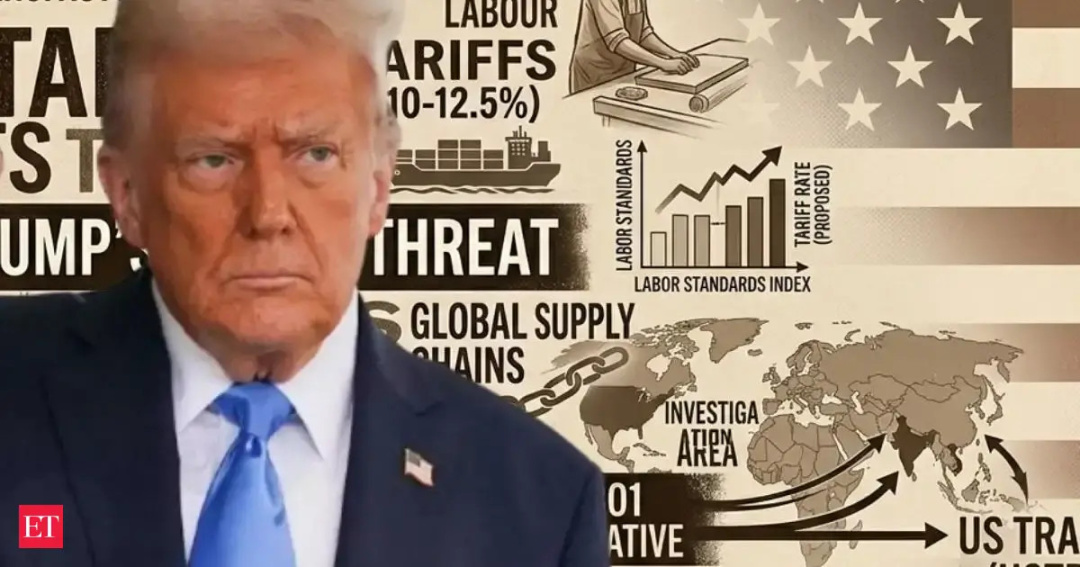
In an announcement that could only be described as a masterclass in theatrical misdirection, President Trump has unveiled a new set of tariffs ranging from 10% to 12.5% on imports from 60 trading partners, including notable allies like India, Japan, and Australia. The White House has framed this economic shake-up as a crusade against forced labor, a noble cause that would surely win the hearts of a war-weary nation. However, many are left wondering if the only thing being forced here is the narrative behind these tariffs.
The President, donning his signature bravado, declared in a press briefing that the tariffs are essential to protect American jobs, while simultaneously ensuring that our friends across the Pacific are also on board with this new economic reality. Critics in Asia, however, have responded like a well-rehearsed chorus, with their discontent resonating loudly. Japan's prime minister was reportedly seen shaking his head while reading the announcement, which he later described as "a creative interpretation of reality."
Still Beats Watergate:
Sponsor success. Continue reading:
Back in Washington, the administration has issued a flurry of guidance, suggesting that the best way to comply with these new tariffs is to simply avoid all imports altogether. This audacious strategy, dubbed 'Operation Invisible Economy,' aims to sidestep any backlash while simultaneously appeasing the President's base. After all, if no one can import anything, then who can complain? It's a win-win, or as the administration likes to call it, a win-win-win, if you squint hard enough.
Meanwhile, the Department of Commerce has launched an innovative new initiative dubbed "Tariff or Dare," encouraging businesses to voluntarily impose their own tariffs as a gesture of solidarity with the administration. The program's slogan, "Because Nothing Says We Care Like Hitting Your Pocketbook," has already inspired a slew of memes across social media.
As the international community watches this unfolding drama with a mix of amusement and horror, it becomes clear that the only thing more complex than trade negotiations is the logic employed by this administration. In fact, there are already whispers in Washington about a potential sequel to this saga, tentatively titled "Tariffs: The Return of the Trade Wars."
In the meantime, the White House is preparing for a press conference where the President will likely tout these tariffs as the greatest achievement since sliced bread. The only question that remains is whether the tariffs will stick or if they’ll be swept away like yesterday’s headlines in a sea of international confusion. As the world turns, one thing is for certain: the theater of tariffs is just getting started, and everyone is invited—whether they like it or not.