Alaska's New Voting Strategy: Mail-In Identity Checks for Citizens Only
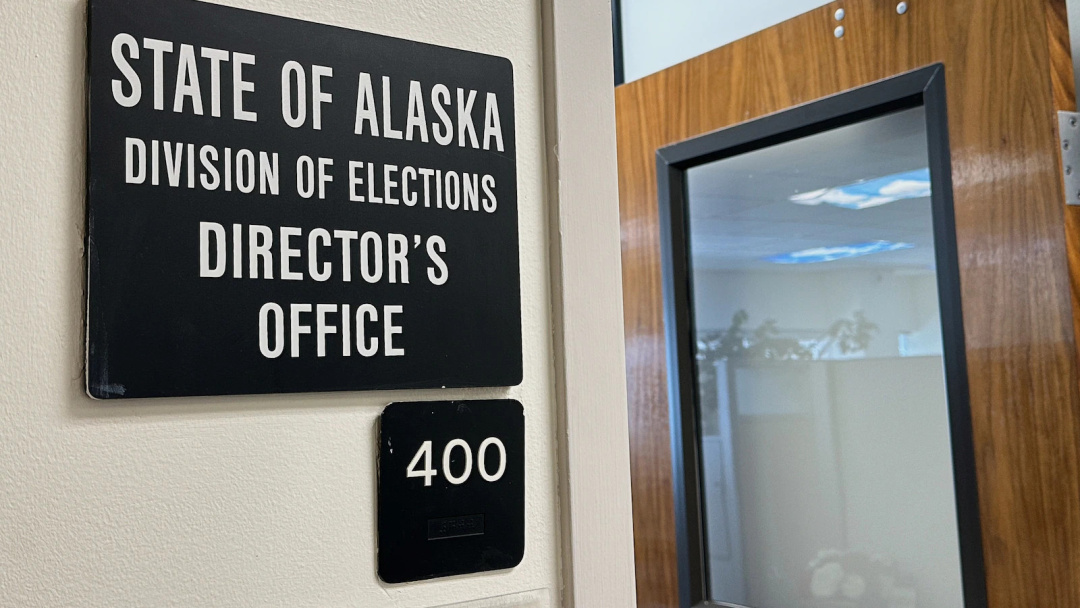
In a stunning display of bureaucratic creativity, Alaska has unleashed a veritable flood of over 3,000 letters upon its unsuspecting residents, demanding that they confirm their citizenship status ahead of the fast-approaching elections. This mass mailing initiative, championed by the Alaska Division of Elections, has prompted an outcry from both citizens and lawmakers, who are scratching their heads over just how the state's data management could possibly be this catastrophic.
The official line, delivered with all the solemnity of a state funeral, is that some ancient relics of data were dredged up during a routine voter roll maintenance check that ordinarily only flags about 200 names. Apparently, this time, the ghosts of citizenship past have returned to haunt the election office, leading to an unprecedented wave of letters sent to individuals who may very well be U.S. citizens. Who knew that voter rolls could be so dramatic?
Still Beats Watergate:
Sponsor success. Continue reading:
Carol Beecher, the Division of Elections Director, assured lawmakers that the process was merely a precaution, designed to ensure that only citizens cast ballots. The letters request recipients to respond via letter, phone, or email. However, there’s no requirement to provide actual proof of citizenship. It’s like being asked to show your ID at a bar but only if you feel like it. If citizens fail to respond, they will be relegated to a shadowy list of "inactive" voters, but fear not! They can still vote. It’s a bit like being grounded but still allowed to sneak out for ice cream.
Critics, including state lawmakers, have raised their eyebrows at the letters, particularly since the only people complaining about them seem to be those who are, in fact, citizens. State Rep. Andrew Gray, a Democrat who appears to be the only sane voice in this electoral circus, noted that only citizens had bothered to reach out to his office regarding the letters. Meanwhile, Rep. Ashley Carrick wondered aloud if this bizarre mailing spree was somehow linked to Alaska’s recent decision to share voter data with the federal government. Beecher, however, was adamant: this is strictly a DMV-related fiasco, and nothing more.
In a moment of disarming candor, Beecher confessed that governmental agencies often operate with the coordination of a group of toddlers trying to work a puzzle. If a person applied for a driver’s license before they became a citizen, their status might still be listed incorrectly, leaving them to grapple with the repercussions when it’s time to vote. It’s a bureaucratic blender of confusion where common sense seems to have taken a permanent vacation.
While voting rights groups have raised alarms about this apparent overreach, claiming it could disenfranchise eligible voters, the Division of Elections insists that the aim is purely noble: to ensure that only citizens vote. They are committed to transparency, even if that transparency comes wrapped in a layer of confusion and a side of irony. As the election looms, one can only imagine what other creative tactics states may employ to verify citizenship—perhaps a dance-off or an interpretive poetry reading? The possibilities are as endless as they are absurd, and Alaska has certainly set the bar high for electoral theatrics this season.