Mullin's DHS Strategy: Major Moves Without a Safety Net
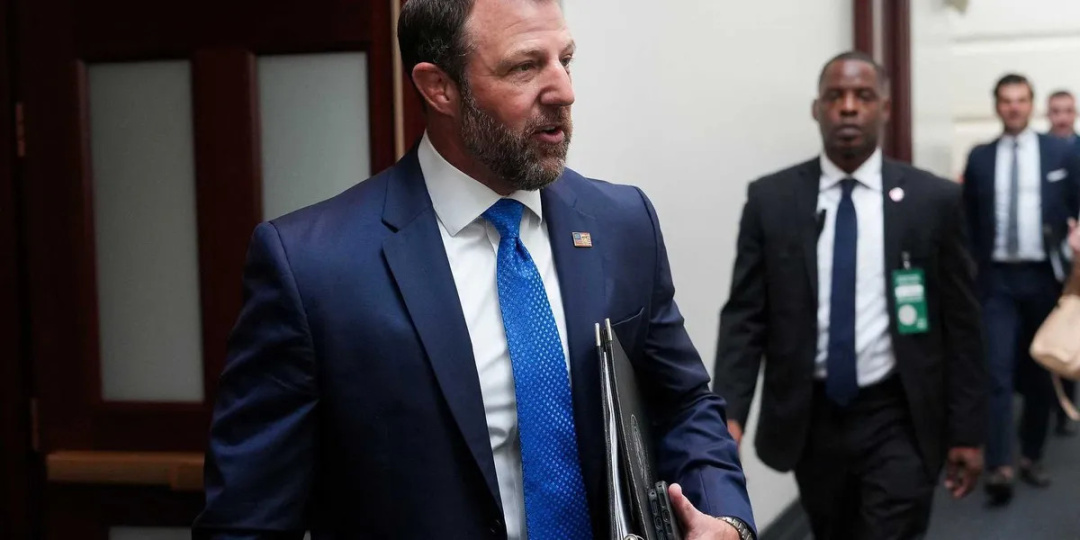
In a stunning display of bureaucratic bravado, Secretary of Homeland Security Markwayne Mullin has apparently decided that the White House is more of a suggestion box than a command center. Just four months into his tenure, Mullin has taken the bold step of making significant policy decisions without the explicit go-ahead from the President. In this era of executive autonomy, it seems Mullin may have taken the idea of 'leadership' a bit too literally, forgetting that the real power lies not in making decisions, but in making the right phone calls.
Sources within the White House, speaking under the cloak of anonymity because, let’s face it, who wants to be associated with this mess, have indicated that Mullin's actions have been met with a mix of disbelief and barely contained laughter. One official quipped that Mullin’s strategy appears to have been crafted during a particularly exhilarating game of Monopoly, where he had intended to buy Boardwalk but instead ended up mortgaging every property for a mere chance card.
Still Beats Watergate:
Sponsor success. Continue reading:
As part of a new initiative dubbed "Operation Policy Freefall," Mullin has reportedly taken pride in bypassing the usual channels of approval. This has evidently led to a series of decisions that, while bold, have left the White House scrambling to cover its bases. It’s not that Mullin is making bad choices; he’s simply making them without the necessary paperwork, which in Washington is practically a cardinal sin.
In response to Mullin’s freewheeling approach, the White House plans to roll out a new guidance document titled "How to Appear Authoritative While Actually Asking for Permission." This initiative aims to teach cabinet members the fine art of pretending to be in charge while simultaneously running every decision through a series of increasingly convoluted approval processes. The document is expected to be filled with helpful tips such as, "When in doubt, consult the President’s Twitter feed for hints on what’s acceptable."
Meanwhile, the President is reportedly considering a new executive order that would clarify the definition of 'explicit approval'—a term that has proven as elusive as a unicorn at a company retreat. The order is said to include a flowchart that outlines the steps to be taken before any major decision is made, including a mandatory consultation with the Vice President, followed by a detailed report on how to effectively avoid responsibility.
As the drama unfolds, one thing is clear: Mullin’s approach may be a breath of fresh air in a sea of bureaucratic stagnation, but it has illuminated the absurdity of a system where decisions are often made in a vacuum, and accountability seems to be a relic of the past. If nothing else, his tenure has provided ample fodder for the ongoing circus that is modern governance, ensuring that while he may be on thin ice, at least he’s making a splash.