Department of Homeland Security Announces 'New Normal' in Mediocrity
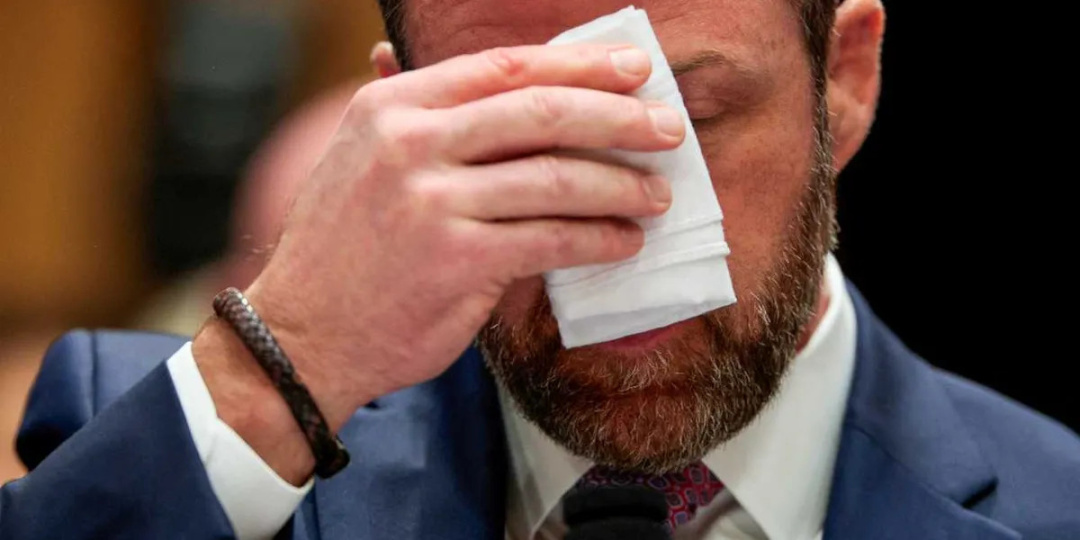
In a shocking turn of events, the Department of Homeland Security has unveiled a groundbreaking initiative to embrace mediocrity as the new standard for cabinet performance. Following an extensive four-month review of Secretary Markwayne Mullin's contributions, the White House has determined that rather than striving for excellence, federal agencies should instead aim for a level of achievement that is just slightly above abysmal. This foundational change comes amidst growing frustrations over Mullin's apparent talent for achieving nothing of note, which has left officials scratching their heads in disbelief.
In a leaked memo from the Office of Subpar Expectations, officials laid out the new guiding principles for the DHS, which include the innovative concept of '100% Bad Move' metrics. This initiative aims to help cabinet secretaries understand that while they may not be actively doing good, they can at least avoid doing harm. The White House spokesperson remarked, "We believe that by lowering the bar, we create a more inclusive environment where everyone can succeed at failing together."
Still Beats Watergate:
Sponsor success. Continue reading:
Markwayne Mullin, once a Republican senator known for his ability to dodge questions with impressive agility, has managed to translate these skills into his new role as the head of DHS. His tenure has not only been marked by a lack of notable achievements but has also sparked a revolution in how the federal government interprets failure. As one internal source put it, "If you can’t impress, at least don’t embarrass."
The new guidelines also encourage a culture of silence, where cabinet members are urged to refrain from making any statements that may inadvertently draw attention to their lack of progress. This revolutionary directive aims to foster a serene atmosphere in which everyone can blissfully ignore the chaos unfolding around them. In a related move, the White House has announced plans to deploy 'Crisis Management Teams' that will solely focus on reinforcing the walls of silence around Mullin’s office to ensure that no embarrassing questions about his leadership arise.
Despite Mullin’s remarkable ability to maintain the status quo, some insiders are worried that this new approach could set a dangerous precedent. Critics are already questioning whether such a low threshold for success could lead to an epidemic of cabinet members who feel empowered to do absolutely nothing. Yet, in these trying times, the administration believes it’s more important than ever to celebrate the art of remaining comfortably mediocre.
As the DHS continues to redefine what it means to lead in a time of crisis, one thing is clear: the bar has been set so low that even a limbo dancer would struggle to fit underneath it. And as Mullin pushes forward with his new initiatives, the White House remains hopeful that mediocrity will unite the agencies in a way that excellence never could, proving once and for all that doing the bare minimum is indeed a viable strategy in modern governance.