Florida's AI Surveillance: A Techno-Police State or Just a Bad Reality Show?
In a state where alligators bask in the sun and political drama unfolds with all the subtlety of a daytime soap opera, Florida's latest plot twist involves artificial intelligence and surveillance cameras. Yes, the Sunshine State is now under the watchful eye of Flock Safety's cameras—an initiative designed to make policing as easy as ordering a pizza. Just point, click, and voilà! Instant immigration enforcement, minus the pesky need for probable cause.
Local police departments, armed with AI-driven tech, have been using these cameras to scan license plates like they're checking off grocery lists. The result? An alarming uptick in immigration-related arrests, all conveniently labeled as 'enhanced community safety'. But Floridians are starting to wake up and smell the surveillance coffee, leading to a backlash against this high-tech intrusion. In a recent episode of 'Florida Politics: The Reality Show', residents of Leon County managed to pull the plug on $440,000 worth of Flock cameras after a public outcry. Who knew that two hours of impassioned testimony could do what years of advocacy could not?
Still Beats Watergate:
Sponsor success. Continue reading:
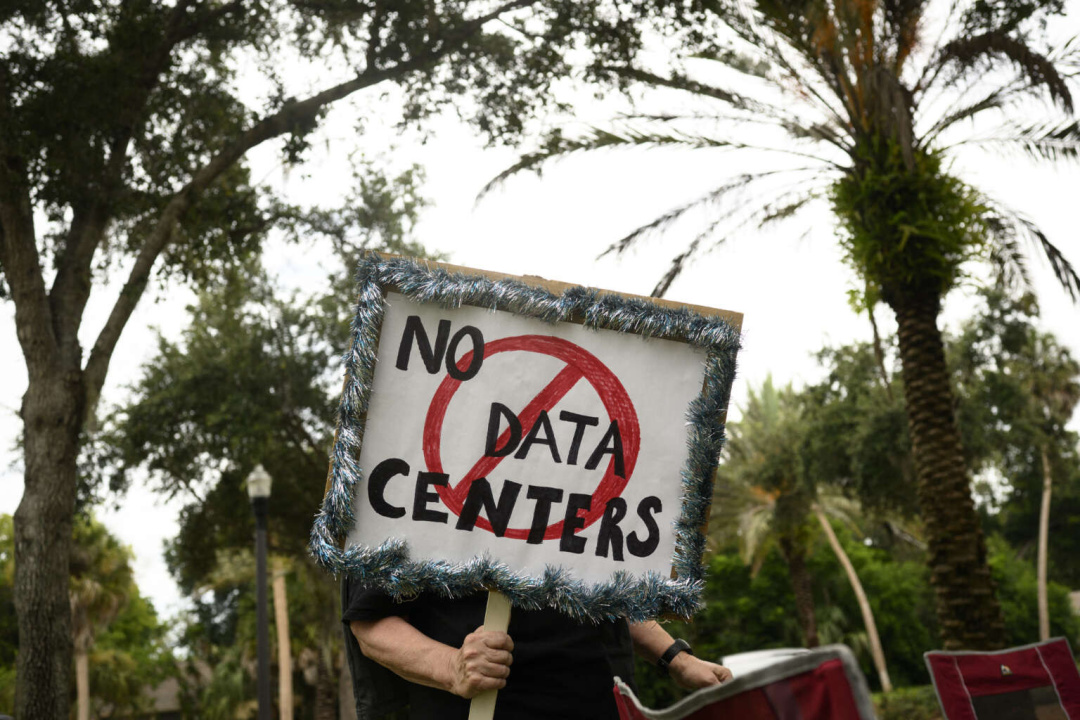
Meanwhile, Governor Ron DeSantis finds himself in a bit of a pickle. On one hand, he’s lavishing taxpayer dollars on tech firms for their fancy surveillance toys. On the other, he’s scrambling to maintain an image of a governor who listens to his constituents. The result? A political balancing act that would make a circus performer envious. DeSantis has resorted to championing a moratorium on data center construction, but only after the public made it clear that they weren’t thrilled about living in a dystopian surveillance state.
But the drama doesn’t stop there. Former Republican turned Democrat David Jolly is seizing the moment to propose a statewide moratorium, capitalizing on the anti-surveillance sentiment that’s sweeping across Florida like a hurricane. Meanwhile, Trump-endorsed Byron Donalds, who’s also vying for the governor's mansion, has found himself in the awkward position of denouncing the very technologies he once endorsed, as donations from developers hang over his head like a storm cloud.
As technology companies like Palantir and Peregrine rake in profits, the public remains the unwilling cast in a government-sponsored reality show, where the stakes involve not just privacy but also civil liberties. With AI tools expanding the reach of immigration enforcement and local police departments acting as the unsanctioned arm of federal agencies, one can’t help but wonder: is this really what Floridians signed up for?
As the public continues to push back, the question remains whether the future of Florida will be determined by its residents or by the tech giants with deep pockets and deeper agendas. While the cameras keep rolling, it's clear that the people are ready for a plot twist of their own, demanding transparency and accountability in a state that seems hell-bent on turning its populace into unwitting participants in a never-ending surveillance experiment. Forget reality TV; the real drama is unfolding in the streets of Florida, and it's bound to become a classic tale of resistance against the high-tech policing machine.
In the end, the state may find that while they can surveil the public, they can’t stifle their voices. With a rising tide of resistance, it seems Florida might just become the poster child for pushing back against the unchecked powers of surveillance, AI, and the ever-expanding police state. Who knew that Floridians would end up being the heroes in a story that feels more like a dystopian novel than a sunny beach vacation?