GOP's New Strategy: Frustration as a Campaign Tool
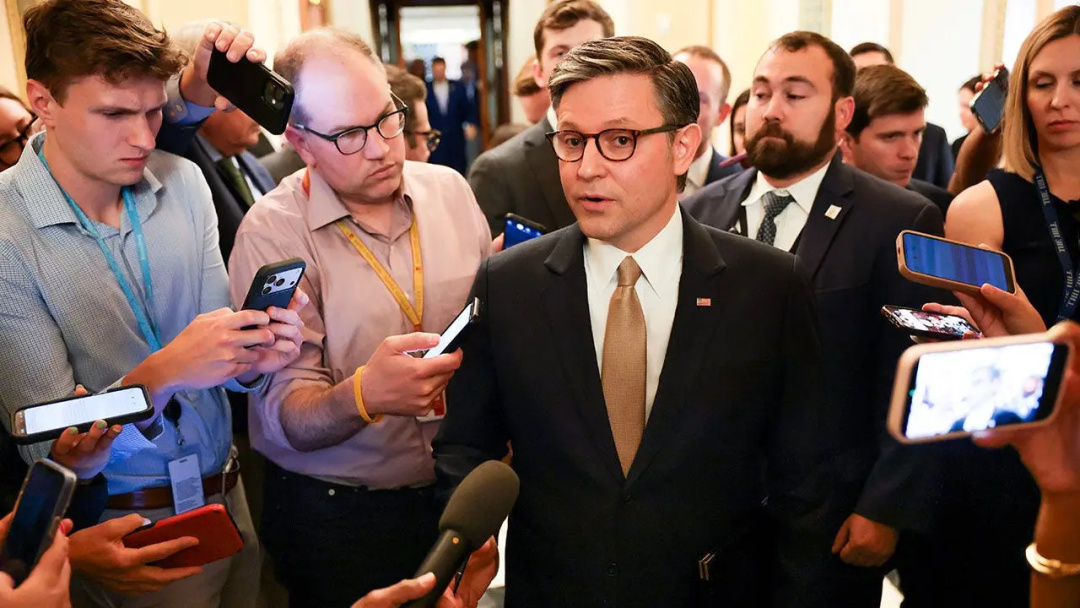
In a bold new move to energize their base, the GOP has decided to turn frustration into the party's primary campaign strategy. This unorthodox approach comes as Speaker Mike Johnson, fresh off a series of legislative ‘wins,’ faces mounting dissatisfaction within his razor-thin majority. Instead of uniting the party, Johnson has inadvertently created a reality show where every disgruntled Republican is a potential star. Who knew that airing grievances could be the secret to electoral success?
The House has become a stage where every member feels empowered to express their frustrations. One anonymous Republican lamented that the Freedom Caucus has effectively hijacked the agenda. It’s like watching a group project in high school where the loudest kid does all the talking while the rest just nod along in silent agreement. Johnson’s allies are quick to defend him, claiming that his close ties to Trump are the lifeboat keeping the party afloat, even if those ties occasionally feel like an anchor dragging them down.
Still Beats Watergate:
Sponsor success. Continue reading:
As the GOP grapples with the reality of a slim majority, lawmakers have taken to expressing their dissatisfaction with Johnson’s leadership through a series of public comments that sound suspiciously like campaign strategy. It’s as if they’ve collectively agreed that complaining is the new black. Whether it’s about not enough attention to individual legislative priorities or dissatisfaction with the White House’s influence, one thing is clear: frustration is trending, and it might just be the best thing to happen to the GOP since they decided to stop wearing their hats backward.
Rep. Nicole Malliotakis articulated the shared sentiment perfectly, suggesting that Johnson should proactively ask members for their top three priorities. Apparently, the solution to their woes lies in a simple survey. If only running Congress were as easy as sending out a Google Forms link. While some members feel unheard, others, like Rep. Tim Burchett, believe that the only way to get anything done is to engage in a game of political lip service. You’ve got to kiss a– to move legislation, he says, which might just be the most honest thing said in the Capitol this year.
Meanwhile, the complaints continue to flow like a fine wine at a D.C. gala. The GOP’s internal squabbles could easily fill a season of a political drama. With Johnson caught in the crossfire, it’s like watching a chef who’s trying to please both vegans and carnivores. No matter how hard he stirs the pot, someone’s always going to be unhappy with the meal.
And yet, amidst all the grumbling, some Republicans maintain that Johnson is doing a miraculous job of keeping the chaos at bay. They point to the legislative victories as proof of his effectiveness, but let’s be honest: in a party where every member has a personal agenda, the definition of success is as slippery as a greased pig at a county fair.
While the GOP embraces this new strategy of frustration, it’s worth considering if this will actually resonate with voters. Are they looking for a party that complains about its problems, or one that offers solutions? The answer remains uncertain, but if the party continues down this path, they may just find themselves leading the world’s longest campaign for a reality show titled "Frustrated GOP: The Struggle Is Real."
As the midterms approach, one thing is for certain: this is going to be one wild ride. And if it doesn’t work out, well, at least they can always blame the Freedom Caucus. After all, who doesn’t love a scapegoat?