Congressman Khanna Takes Bold Stand Against Fuyao Glass, Demands Answers from Glassy-eyed Executives
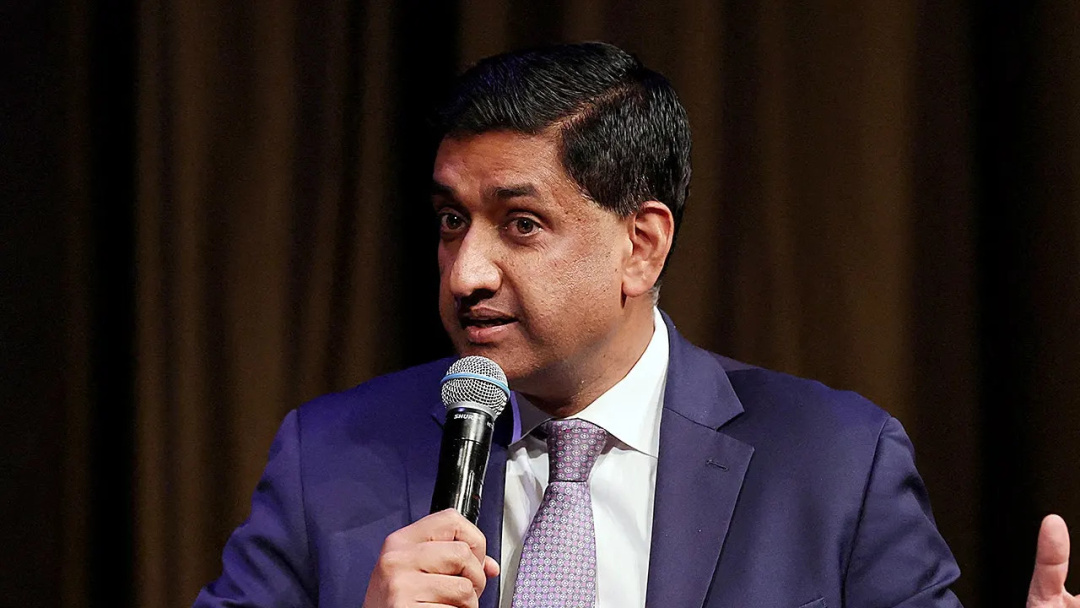
In an unprecedented move, Congressman Ro Khanna has decided to channel his inner detective and send a strongly-worded letter to Fuyao Glass, the Chinese automotive glass manufacturer that seems to have confused American labor laws with optional guidelines. Khanna, who has taken on the role of a sort of political Sherlock Holmes, is on a mission to trace the murky connections between the company and the Chinese Communist Party (CCP). His inquiry follows alarming allegations that Fuyao has been smuggling undocumented workers into the U.S. and running a labor operation that might make even the most hardened exploiters blush in embarrassment.
The congressman’s correspondence requests a treasure trove of documents, including records of labor practices, financial operations, and any evidence of CCP subsidies that might help Fuyao undercut American manufacturers. After all, what better way to win the hearts of American workers than by importing a workforce that can be paid less than a cup of coffee? Khanna has expressed his outrage over these labor practices, claiming they are detrimental to American jobs while simultaneously providing fodder for late-night talk show monologues.
Still Beats Watergate:
Sponsor success. Continue reading:
Khanna has not been shy in emphasizing the seriousness of his mission. “This isn’t just about glass; it’s about the whole American manufacturing sector,” he declared, no doubt channeling a dramatic flair reminiscent of a movie trailer voiceover. He’s been vocal about the exploitation of workers who are allegedly being housed in “boarding houses” that sound more like labor camps than accommodations, with conditions so poor they’d make a slumlord blush.
In a classic example of bureaucratic irony, Khanna also took a moment to highlight how Fuyao is required to have a CCP representative in its ranks, a fact that adds a delightful layer of absurdity to the already tangled web of corporate governance. One might wonder: when did the American Dream become a reality show about corporate espionage with a side of labor exploitation?
As Khanna pushes for answers, he’s also hinted at the possibility of a subpoena to compel Fuyao to comply with his requests. Imagine the scene: a stern-faced congressman, flanked by aides, marching into the Fuyao headquarters like it’s a congressional field trip gone horribly wrong. “I’m here to see your workers!” he might proclaim, clipboard in hand, ready to uncover the secrets of a company that seems to be operating under its own set of rules.
While some may view Khanna’s efforts as noble, others may simply see it as a political tactic in a game of bipartisan chess, with the stakes being nothing less than the future of American manufacturing. Regardless of the motivations, one thing is clear: the saga of Fuyao Glass is shaping up to be the sort of political drama that gets the press buzzing and the public entertained. Who needs Netflix when you’ve got Congress on the case?
As we await the revelations from Fuyao, we can only hope that the answers will be as crystal clear as the glass they manufacture—or at least as clear as the murky waters of corporate lobbying and international trade. Khanna’s determination to expose the truth is a refreshing reminder that some politicians still believe in accountability, even if it comes wrapped in a package of bureaucratic absurdity. Let’s just hope that by the end of this investigation, we aren’t left with more questions than answers, or worse, a glass half empty.