Election Officials Respond to Trump's Claims with Emoji Diplomacy
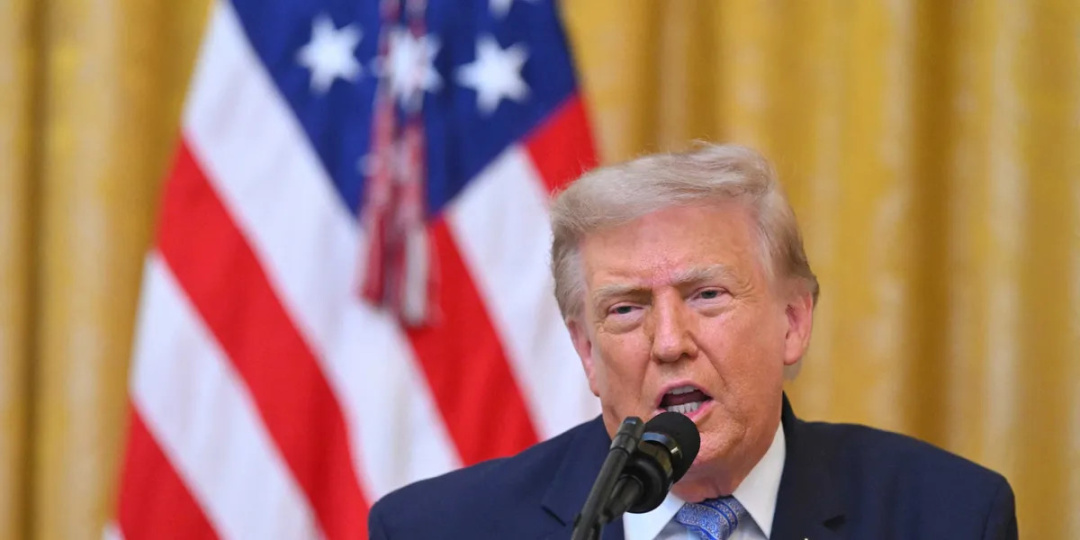
In a remarkable turn of events, election officials from around the country have officially adopted the use of laughing emojis as their preferred method of communication regarding President Trump's recent assertions about "shocking vulnerabilities" in the election infrastructure. After the President's announcement sent shockwaves through the political landscape, officials gathered in Boston to address the issue, only to respond with a collective shrug and a barrage of digital chuckles.
"We had a serious meeting planned, but it quickly turned into a meme fest," explained one state election director, who wished to remain anonymous due to the sensitive nature of emoji diplomacy. "It's hard to take someone seriously when they claim to have uncovered unprecedented threats while simultaneously ignoring the actual mechanics of our elections."
Still Beats Watergate:
Sponsor success. Continue reading:
Sources close to the gathering revealed that the meeting was initially intended to discuss cybersecurity measures and election integrity. However, once the President's statements hit the news cycle, officials found themselves unable to resist the urge to react in the most modern of ways: through social media mockery. "It’s like we were all waiting for the right moment to hit send," one official quipped, indicating that laughter was the best medicine for the absurdity of the situation.
The White House, for its part, has responded with a mix of indignation and confusion. Press Secretary Jen Psaki held a briefing where she attempted to clarify the administration's position. "We understand that the use of emojis can be seen as a lighthearted response to serious claims, but we assure you, there is nothing funny about ensuring election security—unless you count the President's hairdo."
As election officials continue to receive notifications of Trump's claims, they are reportedly developing a comprehensive emoji response plan. This includes a series of graphics designed for various contexts; from the simple thumbs-up for standard queries to the more complex facepalm emoji for particularly outrageous assertions. "We want to make sure we’re equipped to handle whatever he throws at us next," said an official, who is currently leading the emoji initiative.
Meanwhile, political analysts are having a field day with the implications of this emoji diplomacy. "This could set a precedent for future administrations. Imagine a world where policy decisions are made based on the number of likes an Instagram post gets or how many retweets a tweet receives," mused one expert. "We might see a new branch of government dedicated solely to meme management."
As laughter continues to echo through the halls of state election offices, one thing is clear: the political landscape has entered a new era where the power of the emoji is as significant as the power of the ballot. In their quest for credibility, officials are now armed not just with facts, but with a repertoire of laughing emojis that might just redefine political communication for years to come.