AI Shutdown: Government's New Favorite Sport
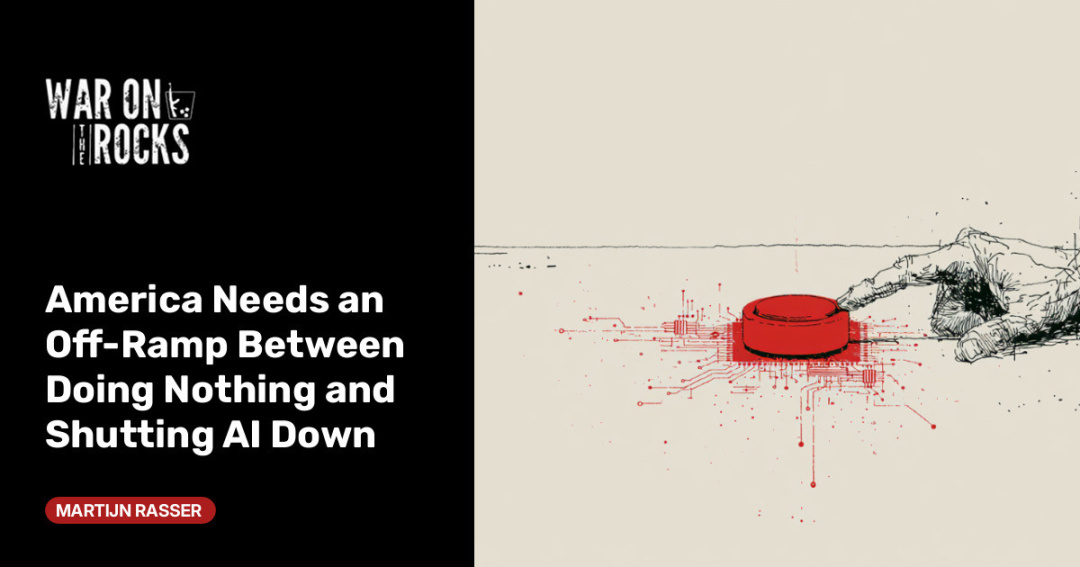
In a stunning display of bureaucratic prowess, the U.S. government recently decided to hit the pause button on two of the most advanced AI models in the country, effectively shutting down Fable 5 and Mythos 5 for 18 days. This wasn’t due to a technical glitch or a corporate scandal but rather a government-ordered blackout that has left everyone scratching their heads—except, of course, the officials who seem to revel in their newfound power over technology.
At the heart of this debacle lies a letter sent by Commerce Secretary Howard Lutnick, which might as well have been written in crayon given its clarity. The letter, almost as opaque as the government’s decision-making process, informed Anthropic that its AI models could no longer be accessed by anyone deemed a “foreign person.” This included its own employees, a fascinating twist that has surely inspired many an employee to think twice before logging into their work email.
Still Beats Watergate:
Sponsor success. Continue reading:
Critics have argued that this sudden shutdown reflects a larger problem: the government’s tendency to wield blunt instruments like a toddler with a hammer. With no transparent process for evaluating AI safety, officials have resorted to arbitrary decisions that seem more influenced by personal vendettas than by national security. Imagine a world where private corporate claims dictate public policy—oh wait, that’s exactly what’s happening.
Despite the recent chaos, the administration insists it’s committed to “strategic control,” a phrase that sounds more like a corporate mission statement than a legitimate policy. The idea that the government could create a structured agency to evaluate AI security is met with the predictable objection that it would be ‘captured by industry.’ Ironically, the current system, which allows haphazard shutdowns based on vague security concerns, is the very definition of capture. Without a solid institutional framework, it’s like handing a kid a candy store and hoping they don’t eat everything in sight.
The government referenced the Export Control Reform Act of 2018 as justification for its actions, but this legal foundation is shakier than a Jenga tower at a frat party. As legal experts wrangle over whether the act applies to AI models hosted on U.S. servers, it’s clear that the government is operating in a legal gray zone that would make even the most creative lawyers blush. One company, Legion LegalTech, has already filed suit, claiming the directive exceeded statutory authority, a move that’s likely to make this entire mess even messier.
As the dust settles, one thing is becoming increasingly clear: the U.S. needs a dedicated agency to oversee AI, or we’ll continue to be at the mercy of whims from the top brass. The government’s current approach isn’t just a failure of policy; it’s a chaotic spectacle that jeopardizes America’s position in the global tech race. If the U.S. can’t figure out how to manage its own AI assets, we might as well hand the baton to Beijing and call it a day.
In the end, the government’s strategy seems less about safeguarding national interests and more about flexing its regulatory muscles. With a mix of incompetence and overreach, the administration has turned the AI shutdown into its favorite new sport, one that leaves innovators and consumers alike in a state of uncertainty. Until a viable framework emerges, we can only sit back and watch as officials juggle the complex world of AI regulation like clowns in a circus, with each act more absurd than the last.