UN Secretary-General Debate: Who Will Win the Crown of Bureaucratic Jargon?
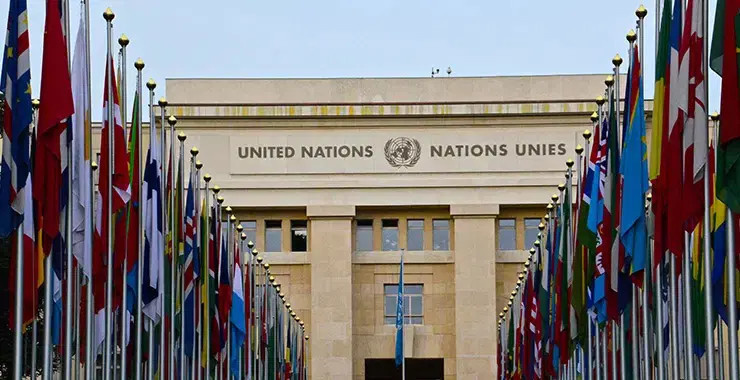
In a world where the United Nations is grappling with a financial crisis that could make even the most seasoned accountant weep, six candidates are preparing for a televised debate that promises to be as thrilling as watching paint dry in a government office. They’ll gather in the hallowed halls of the General Assembly, a place where lofty ideals go to die, to discuss their visions for the UN, which—let’s be honest—is like trying to teach a goldfish to ride a bicycle.
General Assembly President Annalena Baerbock has declared this debate a "rare opportunity" to engage with the candidates’ ideas, though one might argue that a game of charades would be equally enlightening. The candidates, including the likes of Chile’s Michelle Bachelet and Ecuador’s Maria Fernanda Espinosa, will face a barrage of questions from diplomats and civil society representatives, all while trying to avoid the landmines of international relations that could derail their ambitions faster than you can say "veto power."
Still Beats Watergate:
Sponsor success. Continue reading:
With the UN in a state of upheaval—thanks in no small part to the US administration’s insistence on a return to the organization’s fundamental purposes—candidates are expected to stress the importance of ongoing reforms. Ironically, the last person who mentioned "reform" without choking on their own words was probably a politician in a campaign speech, so one can only imagine how genuine these candidates will be in their commitment to change.
As they prepare for the debate, candidates are advised to utilize their best diplomatic jargon: buzzwords like "efficiency," "transparency," and "integrity" are essential for navigating the treacherous waters of international politics. Surely, they’ll have a few opportunities to throw in some empty platitudes about peace and security, because nothing says leadership like a nice, vague promise.
The debate format is expected to resemble a high-stakes game of diplomatic dodgeball, where candidates must gracefully sidestep tough questions while simultaneously convincing everyone that they are the best choice to lead an organization that many believe has lost its way. And while the candidates may not have a clear favorite among them, rest assured that the real winner will be the winner of the buzzword bingo game played by observers at home.
Post-debate, the candidates will face further scrutiny during the first anonymous straw poll, where they’ll have to charm their way into the hearts of the 15 members of the Security Council. The stakes are high, and the whispers in the corridors of power suggest that this time around, even a dark horse candidate could emerge—perhaps even a FIFA president looking to trade soccer scandals for UN ones.
As Latin America stakes its claim to the position, and with calls for a woman to lead the UN for the first time, this debate could either pave the way for a new era or simply serve as another reminder that in the realm of international diplomacy, the only certainty is uncertainty. But one thing is for sure: no matter who wins, they’ll have a long road ahead filled with bureaucratic red tape and a hefty dose of international eye-rolling. Here’s to another round of political theater that the world can only watch with a mix of hope and resignation.