Diplomatic Tango: U.S. and Russia Dance Around Ukraine While Avoiding Real Steps
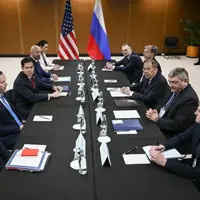
In an explosive display of diplomatic choreography, U.S. Secretary of State Marco Rubio and Russian Foreign Minister Sergey Lavrov met in Manila, where they discussed the war in Ukraine with all the fervor of two people stuck in an elevator. The meeting, which could be generously described as a ‘non-starter,’ was a remarkable reminder that while the world burns, the leaders are perfectly content to sip lukewarm coffee and swap pleasantries instead of addressing the raging inferno.
Rubio, who clearly took his cue from a master of bureaucratic deflection, stated that the two countries were exploring ‘areas of potential cooperation,’ which sounds suspiciously like code for ‘let’s agree to disagree while pretending we’re working on it.’ Meanwhile, Lavrov leaned into the absurdity, suggesting that the meeting would be ‘useful in any case.’ One can only assume he meant useful for filling up time slots in their busy schedules, as substantive progress on the Ukraine situation was apparently not on either agenda.
Still Beats Watergate:
Sponsor success. Continue reading:
As Lavrov warned against the ‘unacceptable’ arms deliveries to Ukraine, one could almost hear the collective sigh of relief in Washington as it became clear that the real conflict was who could best avoid actual accountability. The narrative spun by the State Department suggested they were diligently working to ‘end the Russia-Ukraine war,’ while the real action seemed relegated to a footnote on a press release.
In a twist of irony, as both diplomats engaged in their diplomatic dance, Ukraine President Volodymyr Zelensky was busy attempting to revive stalled talks, proving once again that while politicians may take a break from action, leaders in crisis do not. Whether Zelensky was on the phone with U.S. envoys or just trying to find someone to take his calls, it was clear that the real negotiations were happening far away from the Manila meeting room.
The backdrop of this summit was not just about Ukraine; it also included the Middle East, a region with more complications than a soap opera. Yet, the U.S. focus on the Middle East while ignoring the ongoing crisis in Ukraine seems to be the new normal, like prioritizing dessert before dinner on a diet.
As the world watches, it seems clear that these high-profile meetings are less about finding solutions and more about maintaining the illusion of diplomacy. The U.S. and Russia are caught in a bureaucratic ballet, where each pirouette leads them further from resolution and closer to televised theatrics. It’s a diplomatic spectacle where the only things being delivered are empty promises and half-hearted condemnations, leaving everyone wondering if the real endgame is simply keeping the show on the road.
In the end, the meeting in Manila was less about forging a path to peace and more about proving that even in a world on fire, the art of the diplomatic sidestep is alive and well. Perhaps the next time they meet, they can add a musical number for dramatic effect, because if nothing else, this diplomatic duet is certainly keeping the audience entertained.