Bureaucratic Tango: The Dance of Diplomatic Disasters
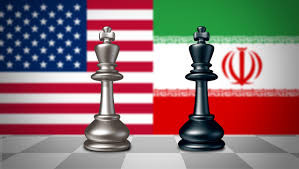
In the latest episode of the U.S.-Iran diplomatic drama, the State Department has announced a new interpretative dance protocol for handling international crises. This initiative, dubbed the "Diplomatic Shuffle," aims to divert attention from actual policy failures by incorporating jazz hands and slow spins into press briefings. A senior official, who wished to remain anonymous because they were still trying to figure out the steps, remarked, "If we can’t solve the conflict, we might as well make a spectacle out of it."
The White House has been busy drafting an executive order that outlines the new rules of engagement, which includes mandatory tap-dancing at press conferences and the requirement that all statements be delivered in rhyme. This policy shift aims to distract the public from the ongoing tensions with Iran, with officials insisting that a little rhythm can go a long way in easing international relations. In a recent briefing, a spokesperson clapped their hands and proclaimed, "When the world gets tough, the tough get dancing!"
Still Beats Watergate:
Sponsor success. Continue reading:
Meanwhile, the Pentagon has been instructed to replace missiles with maracas, believing that a cheerful shake might disarm adversaries more effectively than traditional military hardware. A top general, who was reportedly last seen practicing the cha-cha in his office, stated, "A well-timed salsa can convey what words often fail to express. Plus, who wouldn’t be intimidated by a synchronized military flash mob?"
Critics of the plan have raised eyebrows, questioning whether this approach could lead to a new wave of escalated tensions. "What happens when the Iranian leadership doesn’t appreciate our jazz hands?" one analyst pondered, adding that they were still wrapping their head around the concept of war as a dance-off. The White House is reportedly drafting a contingency plan for a possible tango-off should the situation worsen, citing a desire for diplomacy over destruction.
In the spirit of inclusivity, the administration has proposed a series of workshops for world leaders, where they can learn the basics of the diplomatic dance. The first class, "How to Politely Two-Step Around Sanctions," has already received applications from several countries, including North Korea, who are eager to learn the moves that might just allow them to sidestep their own international troubles.
As the world watches this bureaucratic ballet unfold, one thing is clear: when it comes to serious matters like war and peace, the U.S. government has chosen to don its tap shoes and put on a show. In the arena of international relations, it seems that the old adage rings true: If you can’t beat them, let’s all dance.