US-Saudi Nuclear Pact: The New Face of Diplomacy or Just a Nuclear Time Bomb?
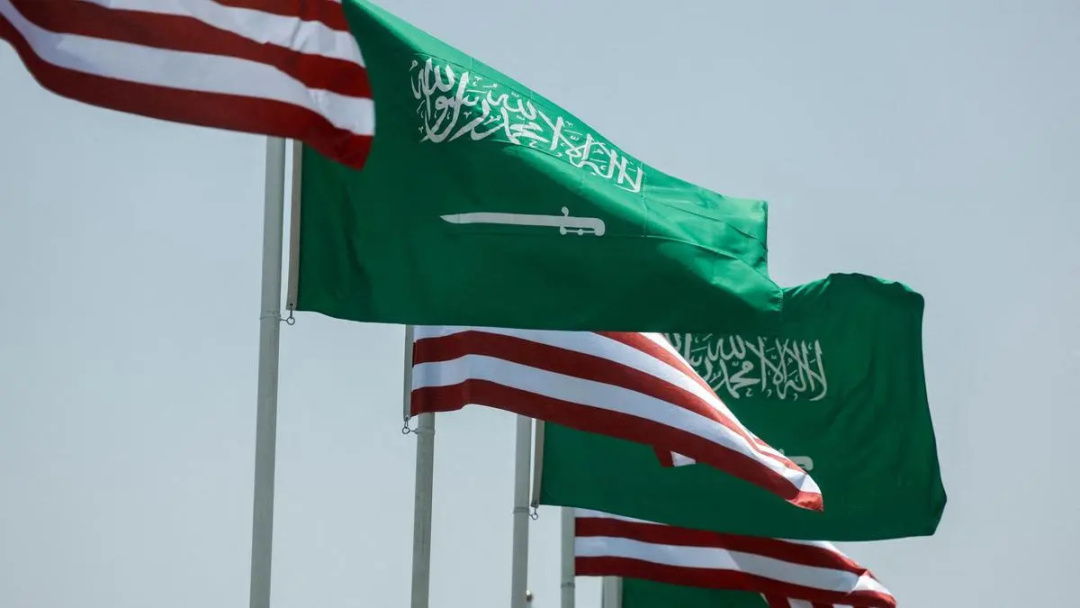
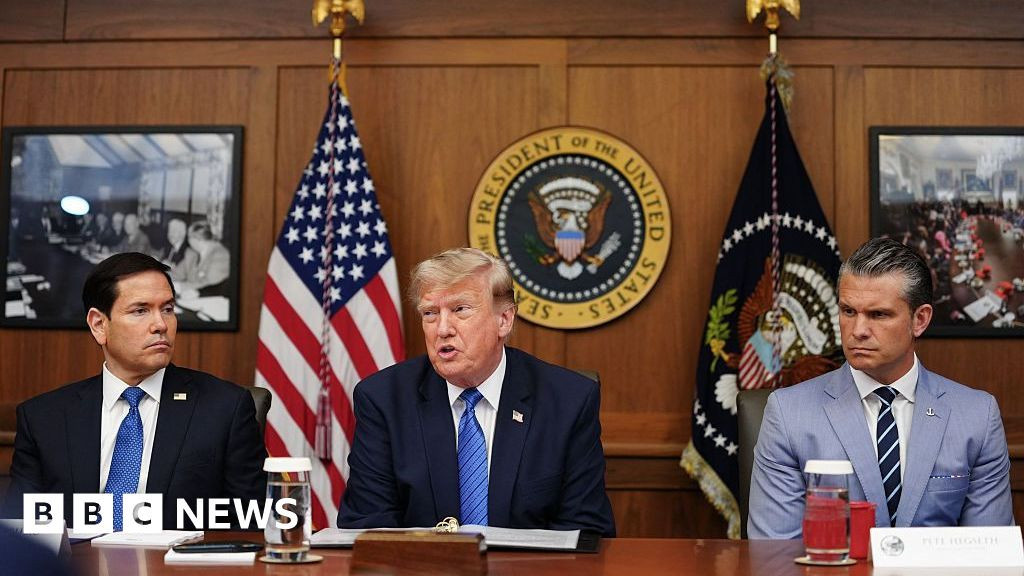
In a bold move heralded as a major step towards energy independence, the Trump administration has thrown its weight behind a nuclear energy pact with Saudi Arabia, allowing the kingdom to enrich uranium and process spent atomic fuel. At first glance, this sounds like a classic case of two parties doing what they do best: one party wants energy, the other wants to sell it. But in Washington, alarm bells are ringing louder than a toddler in a toy store on a sugar high.
The administration’s justification for this nuclear dalliance could fit in a fortune cookie: ‘What could possibly go wrong?’ Officials insist that, unlike a bad episode of reality TV, this partnership will be all about clean energy and not about crafting weapons of mass destruction. However, as some lawmakers frantically wave their arms, reminiscent of a kid trying to get the teacher's attention, concerns about weapons proliferation take center stage. It’s almost as if the entire government forgot that the last time we trusted a Middle Eastern ally with nuclear capabilities, it didn’t end well.
Still Beats Watergate:
Sponsor success. Continue reading:
In a stunning twist of bureaucratic logic, the administration is portraying this pact as a beacon of stability in the Middle East. One could argue that this logic is akin to giving a toddler a chainsaw as a tool for teaching responsibility. Critics are quick to point out that enabling uranium enrichment could lead to the very outcomes officials claim to be preventing. It seems that the administration's motto is, ‘Trust us, we’re from the government!’
As the deal unfolds, one has to wonder about the upcoming press briefings. Imagine the spokesperson at the podium, confidently declaring, ‘We’re making friends, not nuclear weapons!’ Meanwhile, the community of international relations experts sits at home, clutching their heads and wishing for a nice cup of denial.
And let’s not forget the political machinery grinding into gear. Congressional hearings are virtually guaranteed, where lawmakers can engage in a riveting game of 'Who Can Out-Scare the Other?' As senators take turns delivering impassioned speeches about the dangers of nuclear proliferation, staffers will be busy drafting press releases about how the deal will ultimately bring peace, love, and nuclear hugs to the region.
In the end, it’s clear that this nuclear pact isn’t just a deal; it’s a theatrical performance worthy of a Broadway stage. With the administration playing the lead in this production, the audience can only sit back and hope that the finale doesn’t involve a big bang. As the curtain rises on this new chapter of diplomacy, the world will be watching, popcorn in hand, waiting to see how this drama unfolds.
In the game of global politics, one thing is certain: the stakes are high, the players are unpredictable, and the nuclear clock is ticking—possibly towards a very explosive finale.