Congressional Inquiry Transforms Smithsonian into National Show Trial
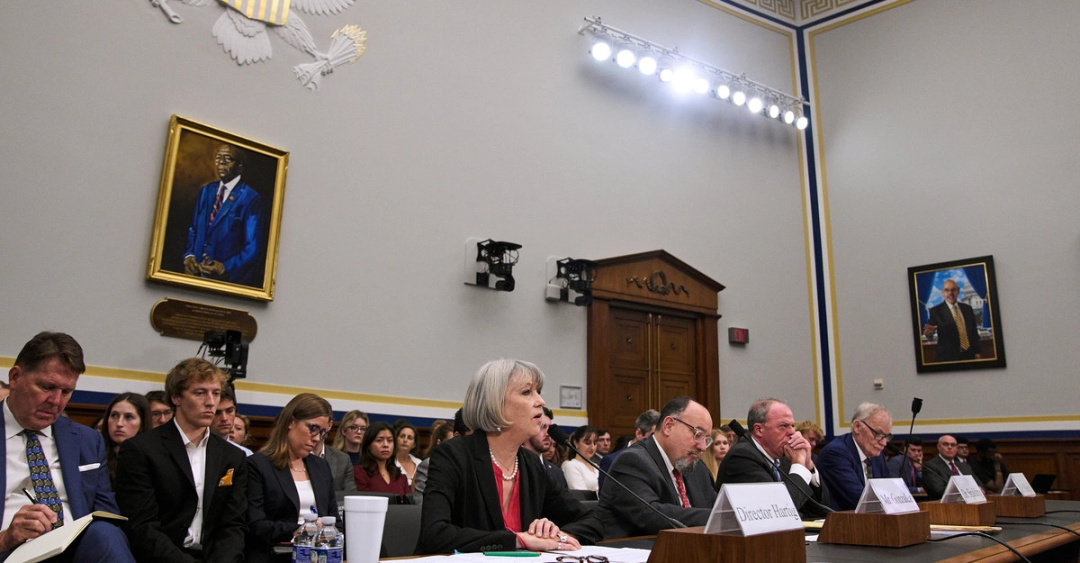
In a stunning turn of events that would make even the most seasoned actors blush, Congress has transformed the Smithsonian into a veritable stage for political theater, complete with all the dramatic flair of a courtroom trial. The head of the National Museum of American History, Anthea Hartig, found herself in the hot seat, fielding questions that seemed less about historical accuracy and more about the latest GOP script to rewrite the American narrative. Members of Congress, decked out in their finest suits and armed with a thesaurus of buzzwords, grilled Hartig on everything from museum exhibits to the very essence of what it means to be American. Forget about facts; this was a performance art piece that would leave even the most avant-garde artists nodding in approval.
As Hartig sat there, acutely aware of the cameras rolling, one could almost hear the collective gasp of the American public as they realized the true purpose of the hearing: to reshape history in the image of the current political climate, a historical revisionism masquerading as an inquiry. With each question posed, the GOP seemed less interested in the actual history of the nation and more focused on how to craft a narrative that would fit neatly into their campaign ads. It’s as if they were auditioning for the role of “Guardians of the National Narrative,” armed with a script that would make any screenwriter weep.
Still Beats Watergate:
Sponsor success. Continue reading:
The irony was thick enough to slice through with a knife. Here was a museum, a bastion of knowledge and culture, being subjected to the whims of politicians who, let’s face it, probably couldn’t name three presidents in order without Googling. The proceedings turned into a spectacle where every point Hartig made was met with incredulous stares and dramatic sighs, as if she were a contestant on a game show struggling to answer a question about the capital of the United States.
In the grand tradition of bureaucratic absurdity, the hearing exemplified the new norm where facts are negotiable, and history can be revised on a whim, especially when the stakes are so high. The GOP’s strategy became clear: if you can’t win the argument, simply change the rules of engagement. Hartig’s valiant attempts to defend the integrity of the museum were met with the kind of resistance usually reserved for a contestant who dares to challenge the reigning champion.
In the end, the Smithsonian’s hearing was less about the preservation of history and more about political theatrics, a masterclass in how to distract the public from actual governance. As Hartig left the hearing room, one could almost hear the echo of applause — not for her, but for the performers who had taken center stage, reminding us all that in the theater of politics, facts are merely props, and the narrative is what truly matters. Who knew that the preservation of history would one day become a national show trial, with Congress as the judge, jury, and, of course, the audience?