Nicaragua's Parliament Declares Elections an Outdated Concept, Embraces Dictatorial Efficiency
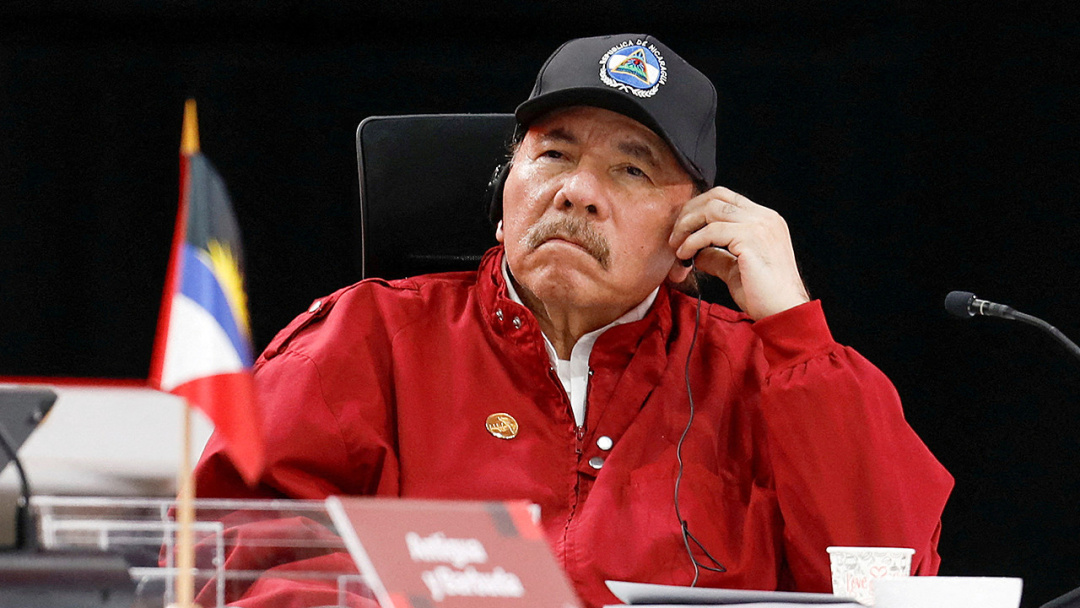
In a stunning display of political innovation, Nicaragua's parliament has officially declared that elections are no longer a necessary component of governance, echoing President Daniel Ortega's recent assertion that the country has evolved beyond the need for such antiquated democratic rituals. In a speech that could only be described as revolutionary—if not outright fantastical—Ortega proclaimed the end of elections, marking a significant leap forward into an era of absolute efficiency and unchallenged authority. After all, who needs the burden of public opinion when you can simply mandate governance from the top down?
Lawmakers, clearly thrilled by this newfound clarity, have swiftly moved to codify this development within the nation’s constitution, ensuring that the Ortega-Murillo duo can rule without the pesky interruptions of electoral challenges. They argued that this radical shift is all about “peace, security, and stability,” a mantra that conveniently aligns with the absence of any dissenting voices. With this legislative overhaul, it’s now perfectly acceptable to bypass the tedious process of competing for popular support, all in the name of national tranquility.
Still Beats Watergate:
Sponsor success. Continue reading:
The announcement has been met with a collective gasp from the international community, which seems to have forgotten that democracy is often simply a suggestion rather than a requirement. As Ortega himself noted, the days of opposition parties gaining traction with the backing of external forces are over. Why let a little thing like public choice interfere with the glorious march toward a more streamlined, unchallenged leadership?
Opposition leaders, many of whom have been conveniently jailed or exiled, might be forgiven for feeling a bit left out of this political renaissance. After all, what's a little imprisonment among friends when the ultimate goal is an unwavering grip on power? The Ortega-Murillo administration has effectively turned the government into a family business, with constitutional reforms that extend presidential terms and consolidate power across the board, ensuring that their reign remains uninterrupted until at least 2028.
In a sign of true authoritarian creativity, the administration has also taken it upon itself to redefine the meaning of civic engagement. Forget voting; now citizens can simply rally behind the grand vision set forth by their leaders without the hassle of choosing between candidates. The government has even gone so far as to label this new approach as a commitment to national sovereignty, as if silencing dissent were a form of patriotic duty.
International leaders have reacted predictably, with a chorus of condemnation echoing from the United States and other democratic strongholds. Yet, one can’t help but admire Ortega's strategic genius; by eliminating the electoral process entirely, he’s spared the nation the embarrassment of losing to a rival or facing difficult questions from the press. It’s a bold step that prioritizes stability over the chaos of democracy.
In conclusion, Nicaragua stands at the precipice of a new political dawn, where elections are seen as mere distractions from the important business of governance. As the country marches forward without the distractions of choice, one can only hope that other nations take note of this innovative approach to leadership. After all, who needs democracy when you can have a dictatorship run with all the efficiency of a well-oiled machine?