Glasgow Gold Rush: India Aims for Glory with a Diminished Contingent
In a move that has left sports enthusiasts scratching their heads, India’s Commonwealth Games delegation is gearing up for a gold rush in Glasgow with a mere 125-member team, significantly down from the 210 athletes who dominated the previous games. The mission? To triumph in a drastically slimmed-down program featuring just ten sports. The Commonwealth Games, once a sprawling buffet of athletic prowess, now resembles a sparse menu at a closed diner, with all the fanfare of an empty stadium.
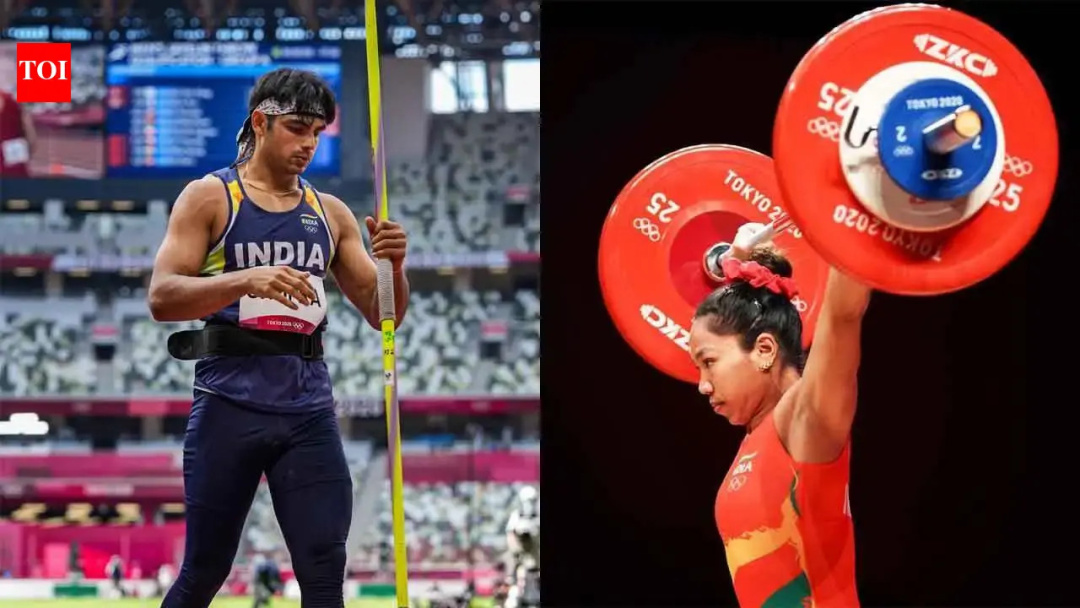
Leading the charge are Olympic champions Neeraj Chopra and Mirabai Chanu, who are presumably wondering how they are supposed to deliver a gold medal haul when half the events have been axed. The Indian strategy seems to hinge on fewer athletes competing but with an unshakeable faith that the odds will somehow work in their favor. Perhaps the plan is to channel the spirit of the underdog, or more accurately, the underdog who has been given a smaller field to run on.
Still Beats Watergate:
Sponsor success. Continue reading:
Athletics remains the backbone of this lean contingent, with a staggering 32 competitors ready to leap, throw, and sprint their way to glory. But let’s not forget the real challenge: competing against nations that still have a full deck of events to play with. Amidst the cutbacks, the Indian squad’s hopes rest on its star athletes, including weightlifter Mirabai Chanu, who is aiming for her third consecutive gold. If she succeeds, it may just inspire a new category of medals for enduring optimism.
As if the pressure of performance wasn't enough, the roster also features a curious mix of ages—from the sprightly 16-year-old para cyclist Lisha Das to the seasoned 49-year-old lawn bowler Dinesh Kumar Singh, who may be competing for a medal or just trying to remember where he parked the team bus. It’s a generational showdown that could either inspire a Disney movie or turn into a sitcom episode where everyone realizes they forgot to pack snacks for the long days ahead.
The reduction of events has inevitably forced Indian athletes to recalibrate their expectations. The previous games in Birmingham saw India snatch 61 medals, including 22 golds, but this time they face the reality of a medal base that has been dramatically trimmed. The absence of medal-rich sports like wrestling and badminton has created a sense of uncertainty that looms like a cloud over the Glasgow skyline.
As the opening ceremony approaches, the athletes are undoubtedly rehearsing their best smiles for the cameras while privately grappling with the absurdity of competing in a downsized carnival of sports. With the 2030 Commonwealth Games slated for Ahmedabad, Glasgow offers more than just a shot at medals; it’s a unique opportunity to learn how to navigate a field that’s become increasingly narrower. Let’s hope India finds its footing among the elite, and if nothing else, we can at least count on some entertaining bloopers from the grand spectacle of international sporting drama.