FedEx to the Frontlines: New Agency to Manage Protest Snack Logistics
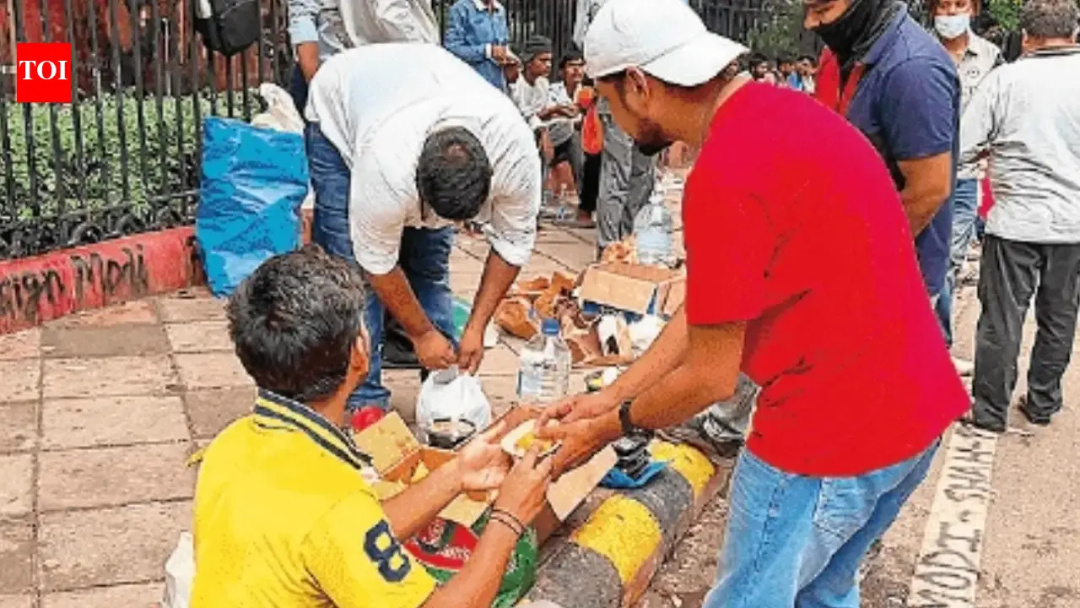
In an unprecedented twist on bureaucratic efficiency, the White House has unveiled the latest addition to the federal landscape: the Bureau of Protest Logistics and Snack Distribution (BPLSD). This entity aims to tackle the age-old problem of hunger amidst political dissent, ensuring that protesters not only voice their frustrations but also do so with full stomachs. The BPLSD will facilitate nationwide food delivery systems, allowing supporters to send everything from sandwiches to samosas directly to demonstrators in the field.
The initiative comes after reports indicated that hunger could dampen enthusiasm at protests, leading to a potential decrease in the volume of shouting and sign-waving. In a groundbreaking statement, a White House spokesperson claimed, "No protester should have to choose between a gut feeling and a growling stomach. With our new logistics agency, we’re transforming political gatherings into gourmet experiences."
Still Beats Watergate:
Sponsor success. Continue reading:
Under this new plan, students from across the country will be recruited not just as protesters, but as culinary ambassadors, with specialized training in mobile snack delivery. Reports suggest that a popular feature will be the 'Golgappa Cart', a mobile kitchen on wheels that can serve up spicy snacks while participants vent their frustrations about government policies.
Delivery riders, equipped with helmets and a new protest delivery app, will navigate barricades and crowds to ensure that no one goes hungry. The BPLSD will also coordinate with local restaurants to offer a rotating menu of culinary delights, ensuring that every protest can offer a unique flavor of rebellion, from vegan to carnivore-friendly options.
In an example of government efficiency that has yet to be seen, the BPLSD is also expected to implement a rewards program for frequent supporters, complete with a loyalty card that allows protesters to earn points towards free snacks. This initiative has raised eyebrows among protest organizers, who are now faced with the dilemma of whether to embrace the government's help or to continue to advocate for their causes without corporate-style incentives.
Critics have been quick to point out that while the BPLSD may solve hunger, it doesn’t address the root causes of protest. However, officials counter that addressing hunger is a crucial first step toward a more engaged populace. One insider noted, "Once people are fed, they are more likely to stay engaged and demand change—ideally while enjoying artisanal coffee and organic pastries."
As the BPLSD gears up to roll out its program, the administration remains optimistic. After all, what better way to engage citizens than by filling their bellies while they fill the streets with their voices? If nothing else, the prospect of a happy, well-fed protester is bound to make for more vibrant rallies and less grumbling about empty stomachs.
In the end, it seems the future of America’s protests may not just be about policy change, but also about the perfect blend of activism and avocado toast. Perhaps this is the new era of political engagement we didn’t know we needed, where every march comes with a side of fries.