Secret Service Unveils New Threat Response: Fencing and Fidget Spinners
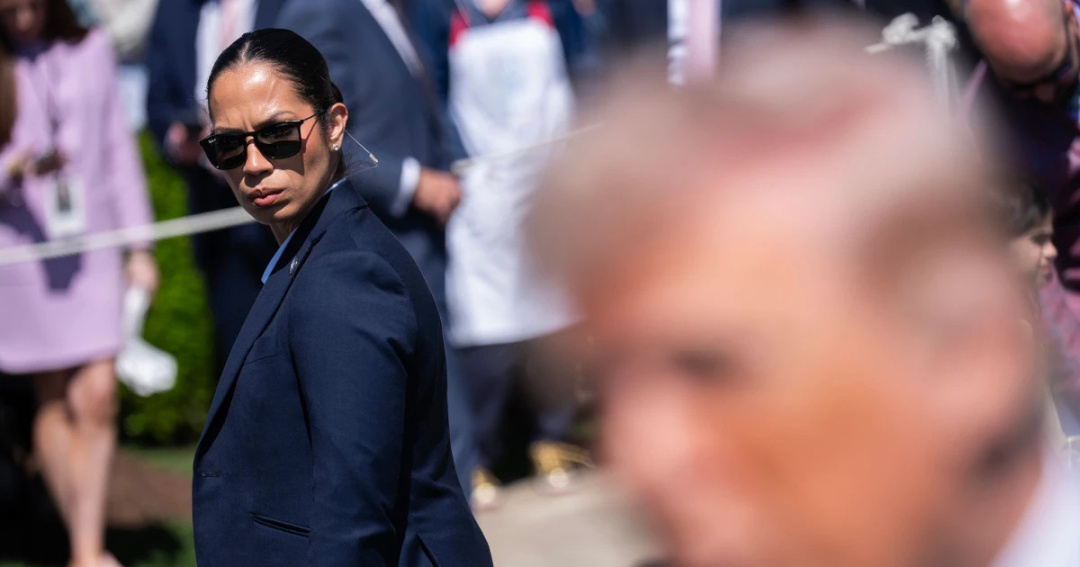
In an unprecedented move, the Secret Service has unveiled its latest strategy to combat rising threats against protectees, which they describe as 'off the charts'—a phrase that probably also applies to their therapy sessions. Following a staggering 40% increase in investigations into threats this year alone, officials are pulling out all the stops, including the implementation of 30-foot fences around high-profile events and, in a surprising twist, the introduction of fidget spinners into the security toolkit. Because nothing calms a potential assailant like an overpriced piece of plastic that spins.
Director Sean Curran, with a career as long as the number of threats they've received, spoke to reporters about the agency's commitment to maintaining a safe environment, one where the only thing spinning out of control is, well, the fidget spinners. He noted that the political climate has become so volatile that even the weather looks stable by comparison. As they prepare for the upcoming White House Correspondents’ Association dinner, which will now be held in a venue with a much smaller ballroom (and presumably fewer guests to monitor), Curran expressed confidence in their ability to keep the President safe, mainly because keeping him 'almost' a football field away from any potential threats seems like a well-thought-out plan.
Still Beats Watergate:
Sponsor success. Continue reading:
In a press briefing that felt more like a circus act than a security update, officials assured everyone that their 'advance teams' are on the case, thoroughly scouting out venues as if they were auditioning locations for a new reality show titled 'Who Wants to Protect the President?' While Curran proudly declared that the security perimeter at the Washington Hilton worked flawlessly, they might want to consider adding a few more layers of security—perhaps a moat, or at least a sign that says, 'Beware: Snipers on the Roof.'
The rise of drone threats has also caught the agency's attention, with reports of foiled plots using drones to disrupt events. In response, they’re rolling out new detection methods that seem like something out of a sci-fi movie—think laser beams and drones battling drones in the skies above the White House. Who knew that protecting the President would require adapting to the latest tech trends? If only the drone operators knew that their high-tech toys were being countered by something as simple as a large net.
Officials also highlighted the importance of community involvement in thwarting potential threats, citing research that suggests 95% of dangerous individuals openly share their intentions. This means, folks, that if your neighbor has suddenly become obsessed with the idea of becoming a 'social media influencer' while also mentioning their desire to harm protectees, it may be time to alert the authorities. Remember, vigilance is key—especially when your neighbor is practicing their aim with a Nerf gun.
As discussions of fencing around Lafayette Square continue, Curran’s enthusiasm for adding more barriers is evident. 'If it were up to me, I would put 30-foot fences up everywhere,' he said, possibly envisioning a future where the White House looks less like a seat of power and more like a theme park attraction titled 'Escape the Politicians.'
In a world where threats are continuous and the response involves a mix of modern technology and old-fashioned barriers, one thing is clear: the Secret Service is committed to keeping the elite safe, even if that means spinning their way into the future—one fidget spinner at a time.
After all, when it comes to protecting the President, the only thing more important than a solid security plan is keeping the agents calm—and if that means spinning their stress away, so be it.