Election Security Software: The Unfortunate Inconvenience of Incompetence
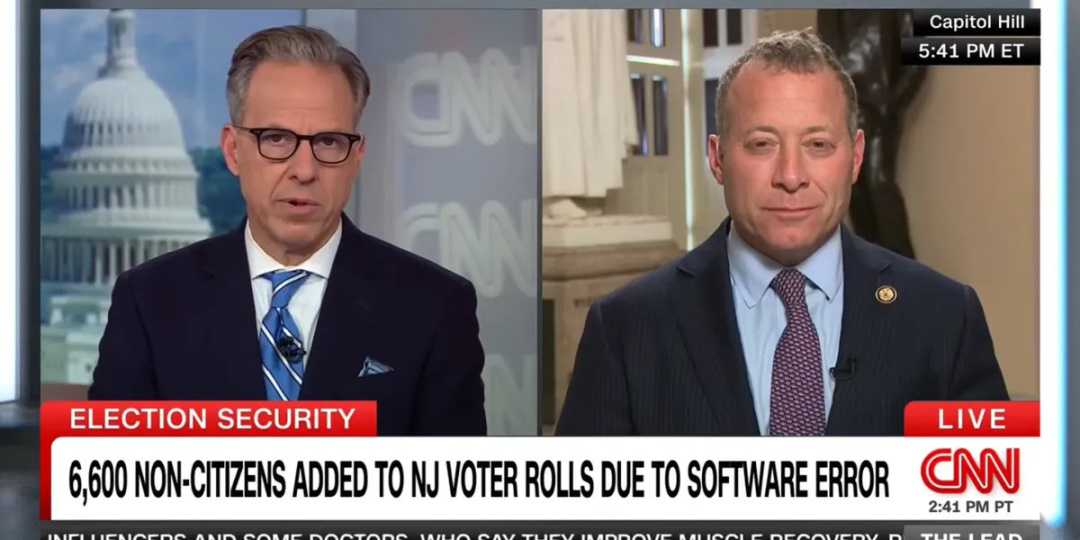
In an unprecedented twist of electoral fate, Rep. Josh Gottheimer of New Jersey has unveiled a scandal that could only be topped by a plot twist from a poorly scripted political drama. During a recent appearance on CNN, he disclosed that the software glitch responsible for enabling illegal voter registrations in his state is none other than a product from a company with deep ties to the Trump administration. Yes, folks, you heard it right. A software designed to secure our elections has become an inadvertent accomplice in the very crime it was meant to prevent. Talk about shooting yourself in the foot while trying to polish your shoes.
This revelation raises critical questions about the effectiveness of our election security measures. How can we expect to keep our elections secure when the very systems meant to protect them are about as reliable as a weather forecast in a hurricane? It appears that the Trump administration’s relationship with this company has led to what one might call an “electoral Bermuda Triangle,” where software glitches disappear without a trace and illegal registrations mysteriously pop up like weeds in a neglected garden.
Still Beats Watergate:
Sponsor success. Continue reading:
In a world where headlines about election integrity spark endless debates, we now face the absurdity of an administration that has turned election security into a slapstick comedy. Perhaps we should start calling it the “Election Comedy Hour,” where the punchline is never clear, and the audience is left to wonder how many more glitches will emerge from the shadows. Maybe they could even sell tickets—after all, who wouldn’t want to witness the spectacle of bureaucratic incompetence on full display?
Moreover, this incident seems to highlight a systemic issue within the administration: a complete disregard for accountability. While the administration touts its commitment to election security, the reality is that it seems to have prioritized political alliances over the integrity of the electoral process. It’s like hiring a fox to guard the henhouse and then being surprised when the henhouse goes missing.
As we march toward future elections, one can only hope that the administration will take a hard look at its choice of partners in the realm of election security. After all, if we want to protect our democratic process, we might need to start with software that doesn’t have a track record of enabling illegal activity. Otherwise, we might as well just hang a sign outside the voting booth that reads, “Enter at Your Own Risk.”
In the end, this latest scandal is a stark reminder that when it comes to election security, we are all just one glitch away from chaos. Perhaps we should all invest in a backup plan—like a crystal ball that can predict the next administrative disaster. At least that way, we might be a bit more prepared for the inevitable circus that is our current political climate.