Ex-DA’s Pardon Proposal: A Study in Executive Generosity and Selective Amnesia
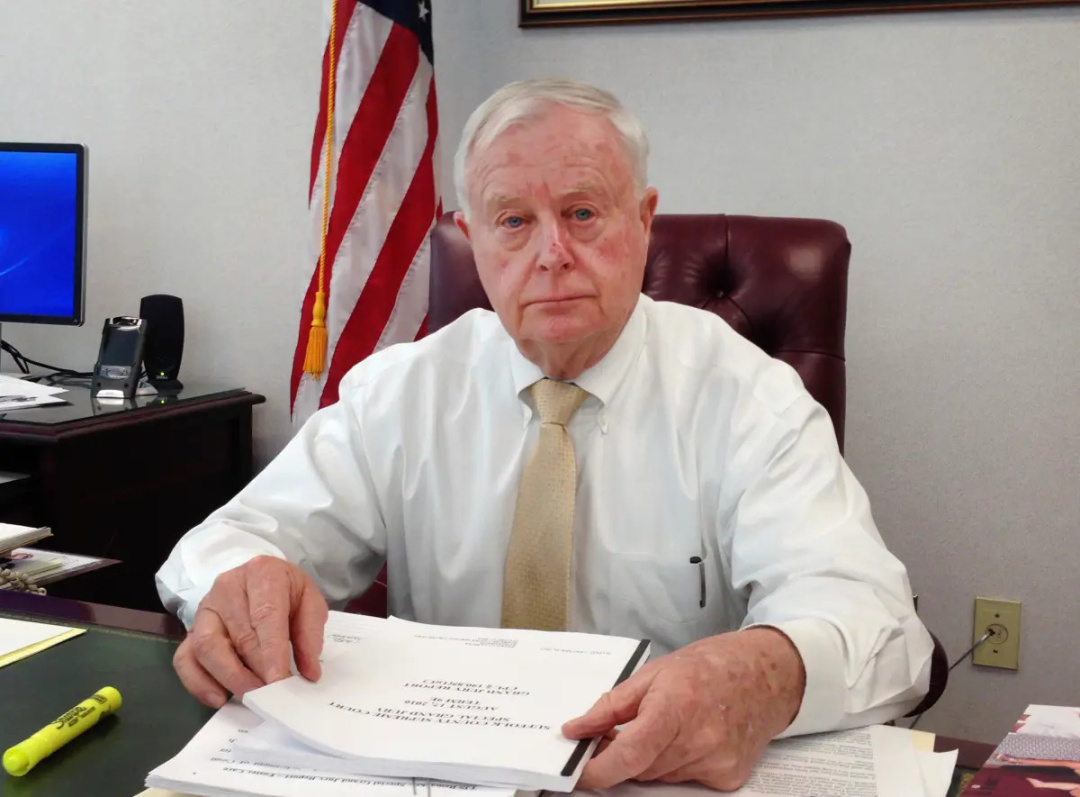
In a stunning display of optimism bordering on delusion, former Suffolk County District Attorney Thomas Spota and his aide Christopher McPartland have submitted their request for a pardon to President Trump. This duo, recently convicted for their roles in a high-profile corruption scandal, seems to believe that a little presidential charm can wash away years of malfeasance and public distrust. The irony is deliciously rich, akin to a gourmet meal served at a fast-food joint.
The request for clemency brings new meaning to the phrase "getting off scot-free." Spota, at the tender age of 84, has decided that rather than spend his golden years reflecting on his misdeeds, he’d rather engage in a game of presidential roulette. After all, who needs restorative justice when you can lobby a former reality TV star for a free pass? It’s a move that could be described as both desperate and audacious—a hallmark of political maneuvering that we’ve come to expect from a certain corner of the Oval Office.
Still Beats Watergate:
Sponsor success. Continue reading:
Insiders suggest that the former DA’s reasoning follows a well-rehearsed script: if you can’t beat the system, ask the architect of the system for a favor. This has led to speculation that the White House might soon be flooded with similar requests from other disgraced officials, perhaps starting a new trend of “Get Out of Jail Free” cards for anyone who can muster the courage to pen a heartfelt letter to the president.
Meanwhile, the White House is reportedly contemplating the creation of a new office dedicated to handling these pardon requests. Tentatively titled the Office of Selective Amnesia, this agency would streamline the process for any former officials wishing to forget their past infractions. It’s a bureaucratic innovation that promises to revolutionize the way we think about accountability and governance.
Critics are already decrying this move as a blatant disregard for justice, but proponents argue it’s a refreshing approach to political rehabilitation. Why should a little thing like a conviction stand in the way of a good old-fashioned favor? After all, in a political landscape where loyalty is paramount, what’s a little corruption among friends?
As Spota and McPartland await their fate, one can’t help but wonder if their request is merely the beginning of a larger trend. Will we soon see former governors, congressmen, and even Supreme Court justices lining up outside the White House, armed with letters of plea that would make even the most hardened criminal blush? Only time will tell, but one thing is certain: the intersection of politics and justice has never been more entertaining.
In the grand theater of American politics, where the lines between right and wrong often blur, the Spota-McPartland saga serves as a reminder that, in this game, sometimes it pays to ask for forgiveness rather than permission. And who knows? With a little luck and a well-timed tweet, they might just find themselves back in the good graces of the highest office in the land.