Trump Administration's Nuclear Deal with Saudi Arabia: A Recipe for Disaster
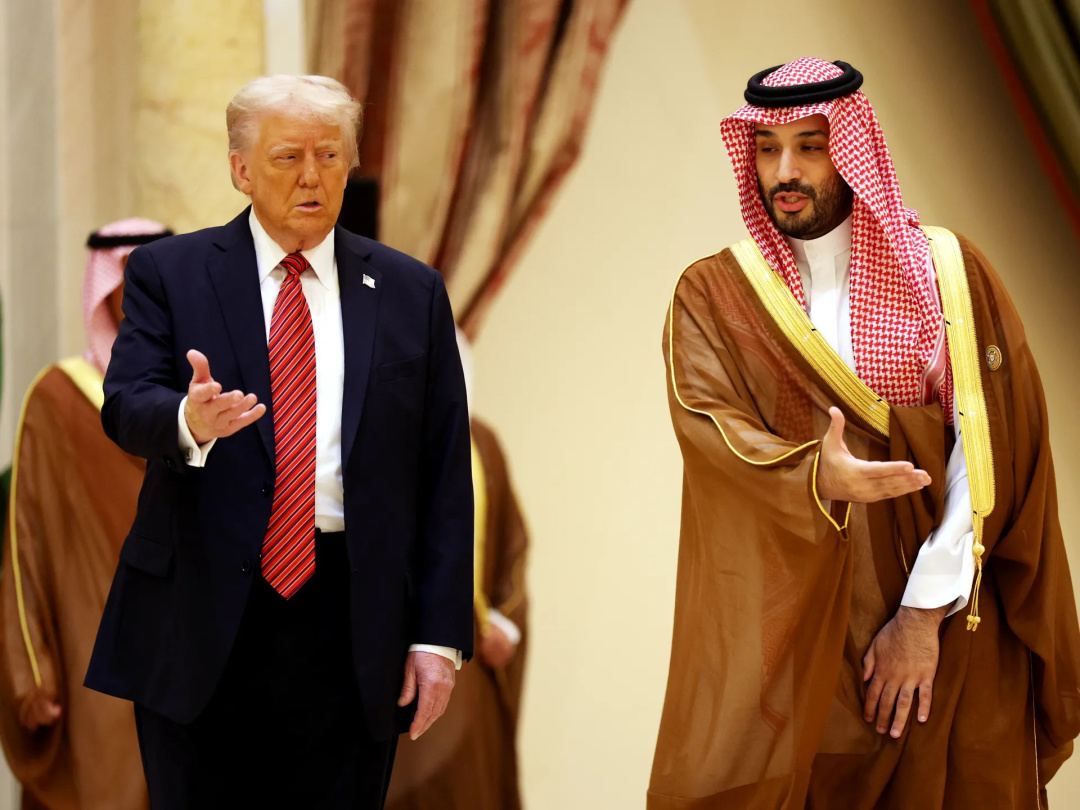
In an unprecedented move that seems to blend desperation with a touch of geopolitical theater, the Trump administration is reportedly rolling out the red carpet for Saudi Arabia's nuclear ambitions. The new agreement, which allows the kingdom to enrich uranium on its own soil, is being framed as a step toward a civilian nuclear program. However, it might just be the world's most expensive game of nuclear roulette, with stakes higher than a Crown Prince's ego.
The deal, if approved by Congress, would mark a significant departure from the U.S.'s longstanding non-proliferation policy. Remember when the U.S. insisted on strict safeguards for nuclear cooperation? Well, consider that a relic of the past, tossed aside like an outdated brochure at a travel agency. The Trump administration, in a bold move to secure its legacy, seems intent on rewriting the rules of engagement in a way that would make even the most seasoned diplomats cringe.
Still Beats Watergate:
Sponsor success. Continue reading:
Critics are already sharpening their pencils, ready to draft the inevitable op-eds warning of the potential fallout—both literal and metaphorical. By allowing Saudi Arabia to enrich uranium, the U.S. is opening Pandora's box, with critics arguing that this could lead to a nuclear arms race in the Middle East. After all, if Iran's nuclear ambitions are a ticking time bomb, why not hand the remote control to their neighbors?
The administration's logic appears to hinge on a bizarre belief that empowering Saudi Arabia with nuclear capabilities will somehow bolster U.S. influence in the region. It's a classic case of “let’s throw money at the problem and hope for the best,” but with uranium instead of cash. As if the kingdom needed more leverage, considering its already prominent role in global oil markets and its ability to influence prices with a mere flick of a switch.
As Congress prepares to review the deal, lawmakers from both parties are expected to take a hard look at the potential risks. Many are poised to ask the tough questions: Is this really in our national interest, or are we just setting the stage for a future where the Middle East resembles a high-stakes game of nuclear chess?
Of course, in the ever-charming world of political maneuvering, the Trump administration is likely to sell this deal as a diplomatic triumph, complete with a glossy PowerPoint presentation showcasing the benefits of nuclear cooperation. Expect plenty of buzzwords like “collaboration,” “innovation,” and “strategic partnership,” all designed to distract from the underlying issues that could lead to a regional meltdown.
Meanwhile, supporters of the deal argue it’s a necessary step to help Saudi Arabia meet its growing energy demands. But one has to wonder: in a world increasingly focused on renewable energy sources, is embracing nuclear power really the best path forward? Or is it simply a convenient excuse to give the green light to a nation with a history of questionable human rights practices and a penchant for regional power plays?
In the end, this proposed nuclear deal may not just be about energy—it’s a reflection of the Trump administration's broader strategy of reshaping international relations to suit its own narrative. As the clock ticks down to Congress's vote, the world watches with bated breath, wondering whether this agreement will usher in a new era of nuclear cooperation or send us spiraling into chaos. Whatever the outcome, one thing is clear: the fallout from this deal, both diplomatic and literal, could be felt for generations to come.