Proportional Representation: The New Political Makeover We Never Asked For
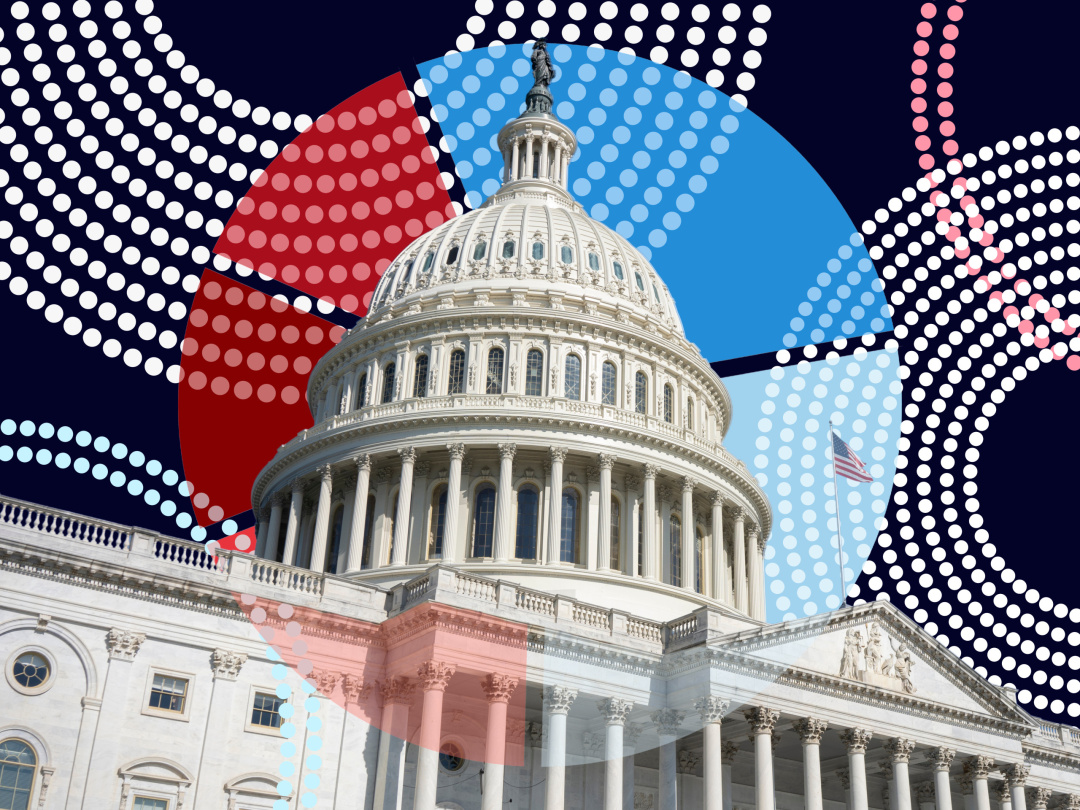
In a stunning turn of events, the White House has unveiled its latest initiative to tackle the rampant chaos of our electoral system: a shiny proposal for proportional representation. Just when you thought it couldn't get any more complicated, the administration has decided that instead of fixing gerrymandering, they would simply reinvent the wheel with a new kind of electoral chaos. This comes in response to the Supreme Court's latest decision to let states play hopscotch with district lines, which has been met with the usual mix of outrage and weary acceptance from the public.
The plan, which has been described as 'the glitziest Band-Aid on a bullet wound,' aims to ensure that every vote counts equally—unless, of course, you live in a district that has been creatively reconfigured to ensure a particular party’s dominance. Proponents argue that this will finally put an end to the dreaded 'wasted vote' phenomenon, though critics are quick to point out that the new system is just a different shade of the same old gerrymandering. A spokesperson for the administration noted, "Finally, voters can experience the thrill of voting while still having their voices drowned out!"
Still Beats Watergate:
Sponsor success. Continue reading:
In a press briefing that felt more like a circus than a serious policy discussion, officials assured the press that this is not just another half-baked idea to distract from the ongoing issues of campaign finance and voter suppression. They emphasized that proportional representation would allow for a ‘rainbow coalition’ of candidates who would all be equally unlikely to represent the average voter’s interests. After all, who wouldn’t want to vote for a candidate who represents approximately 2.3% of their particular interests while simultaneously ensuring that 97.7% of the population remains dissatisfied?
As the campaign machinery revs up for the next electoral cycle, it seems that the administration is betting big on this new approach. Political analysts believe this could effectively turn every election into a lottery, where the outcome depends not just on votes, but on complex algorithms that would make a Wall Street hedge fund manager blush. In the grand tradition of American politics, why settle for a clear and straightforward system when you can have a convoluted mess that no one understands?
Meanwhile, the usual suspects in Congress are already gearing up to fundraise off this new initiative, bringing us the delightful irony of candidates promising to fix representation while simultaneously raking in contributions from the very interests that benefit from the chaos. As the political theater unfolds, we can expect to see a flurry of ads featuring smiling candidates promising to ‘bring democracy back to the people’—while simultaneously ensuring they’re the ones at the helm of the ship.
So, as we brace ourselves for yet another round of electoral acrobatics, one thing is clear: the administration’s approach to reform is less about actual change and more about creating a dazzling spectacle. And who doesn’t love a good show? Just remember to bring your popcorn as we watch this latest episode of ‘How to Confuse the Voter Base 101’ unfold in real time.