Arizona Primary: Trump’s Endorsements and Election Theories Collide
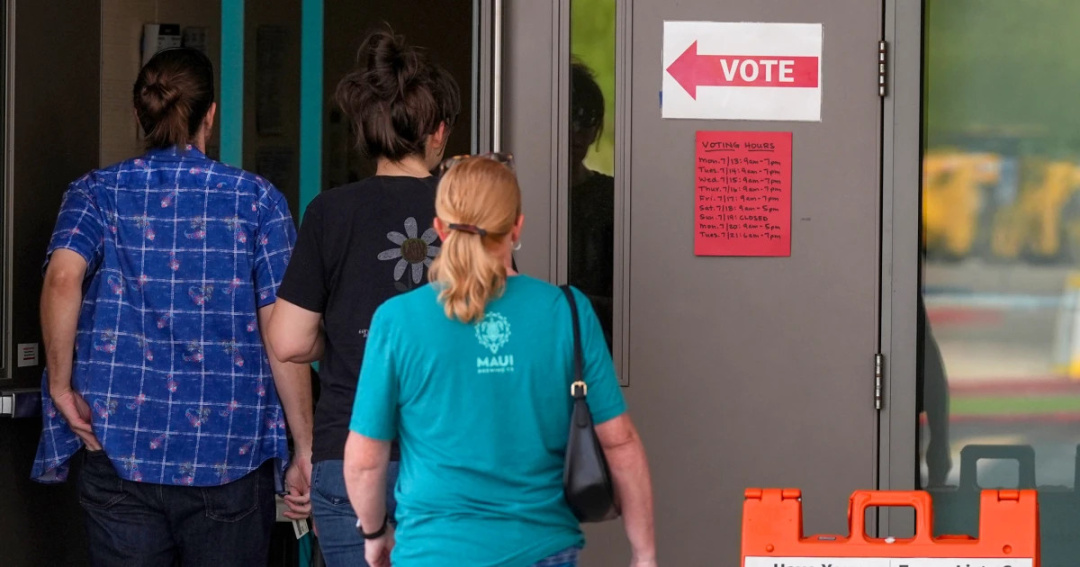
In an unexpected twist of fate, Arizona's primary season has transformed into a reality show where the stakes are high and the logic is low. Candidates are scrambling to prove their loyalty to the Trump brand as if it were a sacred relic rather than a political albatross. The GOP primary is less about governance and more about who can shout the loudest about the 2020 election being 'stolen fair and square' and who can give the most theatrical reenactment of a conspiracy theory.
Front-runner Andy Biggs is channeling his inner election skeptic while trying to pivot into a less frenetic campaign mode. His strategy resembles a game of political Twister: left foot on election denial, right hand on gubernatorial ambition, and a head full of Trump-approved slogans. Meanwhile, his competition, David Schweikert, seems to be playing the role of a hapless understudy, desperately trying to steal the spotlight without stepping on any toes—or campaign promises.
Still Beats Watergate:
Sponsor success. Continue reading:
The race for Secretary of State is shaping up to be a duel of election conspiracy theorists. State Rep. Alexander Kolodin and former party chair Gina Swoboda are proving that the only thing more convoluted than their beliefs about the electoral process is their approach to running for office. Kolodin, fresh from the Trump playbook of post-election grievances, is now vying to oversee elections in a state that has seen its fair share of drama. Swoboda, on the other hand, is attempting to convince voters that she’s the best choice to keep the elections ‘fair’—a phrase that now seems to carry more irony than sincerity.
Meanwhile, in the first congressional district, we have former NFL kicker Jay Feely kicking his way through the GOP primary, proving that a sports background might not be the best preparation for political office. One can only wonder if his campaign strategy involves more touchdowns or touchdown dances. The Democratic race, however, is heating up with candidates who seem to be channeling their inner gladiators, preparing for a battle that may or may not be less about issues and more about who can outlast the election fatigue.
As if the domestic circus wasn't chaotic enough, we have President Trump grappling with an Iran conflict that is threatening to turn into a geopolitical soap opera. With his administration claiming victory in a war that seems to be dragging on longer than his Twitter ban, the president is vowing to unleash a flurry of retaliatory measures that might even scare a seasoned game of whack-a-mole. The juxtaposition of a campaign season coupled with international turbulence presents a conundrum worthy of a Shakespearean tragedy, albeit with fewer soliloquies and more shouting matches.
As the primary results roll in, voters are left to navigate a political landscape that feels more like an elaborate game of charades than a serious electoral process. The absurdity of it all begs the question: Are we watching a political drama unfold or merely a farce masquerading as governance? As Arizona voters tune in, they might want to grab their popcorn; the show is just getting started, and the punchlines are only getting better.