Cornyn Stages Ambassadorial Hostage Crisis to Fund AIDS Relief
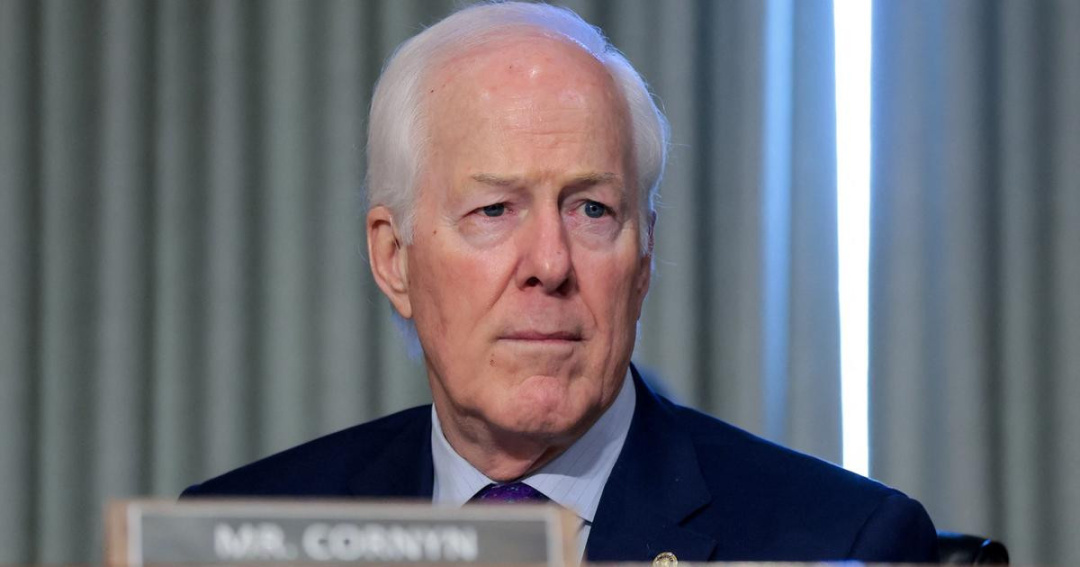
In a stunning display of political theater that rivals even the most dramatic telenovelas, Senator John Cornyn has decided to leverage his power in the Foreign Relations Committee to hold two ambassadorial nominations hostage. The Texas Republican has made it abundantly clear that unless the Trump administration releases funds for the President’s Emergency Plan for AIDS Relief (PEPFAR), he will not support the nominations of Kari Lake and Doug Mastriano. It seems that now, to get the attention of the White House, one must resort to political extortion, or as the senator might call it, 'strategic negotiation.'
Cornyn's tactics exemplify a new breed of diplomacy, where ambassadorial appointments are bartered for foreign aid. In his latest interview, he stated, 'The only way it seems like you can get the administration’s attention on some of these funding issues is by using the leverage to withhold votes on nominees.' This bold strategy has raised eyebrows and perhaps a few chuckles in the halls of Capitol Hill, as the senator threatens to stymie both nominations unless his demands are met. It’s a clear-cut case of ‘give us the money, or we’ll give you the silent treatment.’
Still Beats Watergate:
Sponsor success. Continue reading:
It’s almost poetic how Cornyn, who lost his own reelection bid after the former president supported his primary challenger, is now wielding his waning influence like a weapon of mass distraction. He’s not just any senator; he’s a senator with a mission, a mission to remind the administration that there’s a price to pay for neglecting bipartisan programs aimed at saving lives. Cornyn estimates that about $1.3 billion is ready to be unleashed, but only if he gets the answers he wants—answers that would make even the most seasoned bureaucrat break into a cold sweat.
This maneuver has turned the senate floor into a bizarre game of poker, where the stakes are life-saving funds and political careers. While Mastriano and Lake might have thought their nominations were a mere formality, they now find themselves in a precarious position. If the committee vote ends in a tie, thanks to Cornyn’s newfound resolve, both nominees could find their aspirations dashed. And let’s not forget, this isn’t just about political posturing; it’s about America’s soft power in Africa, a continent that Cornyn insists must not be abandoned in favor of more pressing domestic theatrics.
Meanwhile, the administration appears to be playing a game of hide and seek with the funds, delaying disbursements and causing chaos in treatment programs worldwide. As clinics shutter and staff are laid off, one can only wonder if this is the new normal for foreign aid in the Trump era—where the only way to get a dime out of the administration is to threaten a strategic political deadlock.
Cornyn’s actions raise important questions about the nature of governance today: is this what we want? A system where lifesaving funds are traded like baseball cards? The senator seems to think so, arguing that the release of these funds is not only a moral obligation but also crucial for maintaining U.S. influence in Africa amidst growing competition from Russia and China. It’s a tough sell, but if anyone can make political hostage-taking sound altruistic, it’s certainly Cornyn.
So, as we watch this political drama unfold, one must wonder: in the grand scheme of American politics, what’s more important? The fate of two ambassadorial nominees or the lives of countless individuals affected by AIDS? If this is what it takes to get the administration’s attention, perhaps more senators should start taking hostages. After all, when it comes to negotiating with this administration, it seems the loudest voice in the room is often the one threatening to withhold votes. Welcome to the new normal of American diplomacy, where nominations are merely pawns on the grand chessboard of political maneuvering.