Justice Served Cold: U.S. Attorney’s Firing Sparks Lawsuit That’s No Laughing Matter
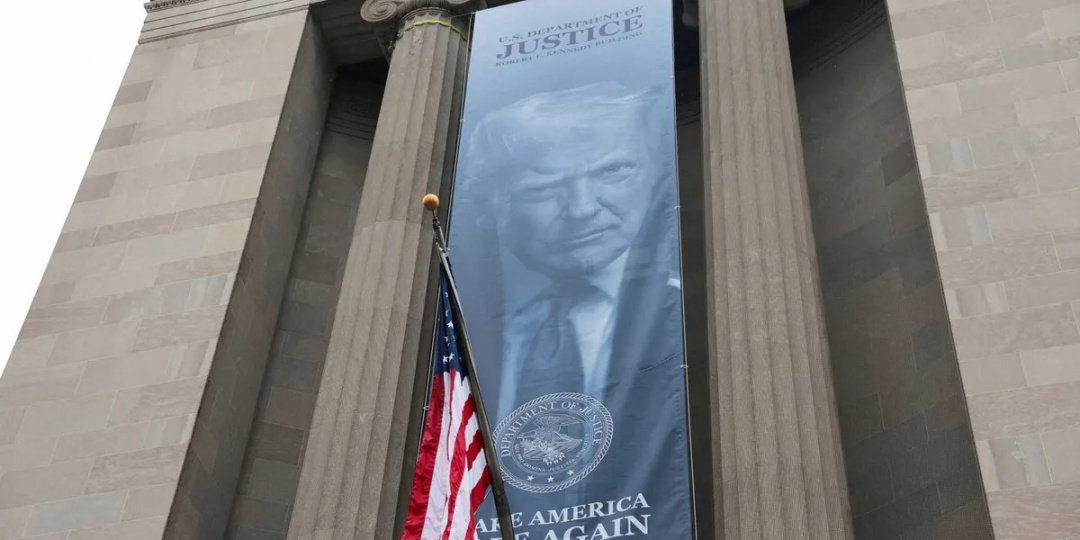
In a move reminiscent of a bad sitcom plot twist, a Seattle U.S. attorney found himself on the receiving end of an email termination notice a mere 54 minutes after being unanimously appointed by federal judges. Roger Rogoff's abrupt exit from the Department of Justice has prompted him to file a lawsuit against the administration, claiming that his firing was not just hasty, but also a masterclass in bureaucratic incompetence. The email, which likely contained more typos than thoughtful explanations, has sparked outrage among those who believe that a judicial appointment should come with at least a little job security, or at the very least, a phone call.
An anonymous source reportedly stated that the administration is considering adding a new chapter to their handbook on executive dismissals, tentatively titled "How to Fire Someone Before They Even Sit at Their Desk." This guide would include helpful tips on how to craft a termination email that conveys both urgency and the distinct lack of empathy that has become a hallmark of modern governance. Meanwhile, Rogoff’s lawsuit has been described as “genuinely extraordinary,” a phrase that the White House is no doubt adding to their lexicon of euphemisms for “we really messed this one up.”
Still Beats Watergate:
Sponsor success. Continue reading:
The Department of Justice, known for its impressive bureaucracy and even more impressive ability to make headlines for all the wrong reasons, has remained tight-lipped about the legal action. Instead, they’re busy preparing their response to the lawsuit, which is expected to be a classic blend of legal jargon that will leave any layperson scratching their head and wondering if they accidentally wandered into a law school lecture.
In a further twist of irony, Rogoff’s firing has sparked conversations about the importance of due process in appointments, a concept that seems to have been lost in the shuffle of executive power. Legal experts are now asking if the firing of a U.S. attorney can be summed up in just a few words: "Oops, my bad!" This case could set a precedent for future appointments, where the terms of employment might be as clear as mud, or worse, dictated by a tweet.
As the nation watches this unfolding saga, one thing is certain: the art of political drama is alive and well in Washington, and if Rogoff’s situation is any indication, it might just be the best entertainment value since the last reality TV show featuring a certain former president. In a world where public service often feels like a game of musical chairs, it seems that Rogoff’s chair was pulled out from under him just as the music stopped, leaving him with little recourse but to sue for the right to play in a game he never got to join.