Commerce Department Discovers New Export Control: AI Models Must Now Wear Stripes
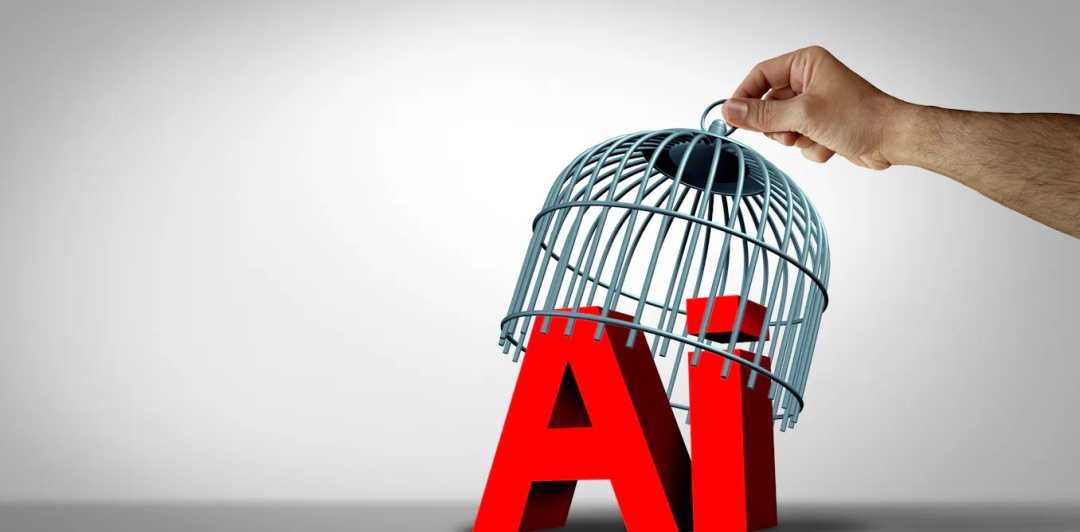
In an unprecedented twist in the saga of government oversight, the U.S. Commerce Department has decided that Anthropic's advanced AI models are too dangerous to be left unsupervised, announcing an immediate national security lockdown. The models, now fitted with metaphorical ankle bracelets, have been rendered completely inaccessible to foreign nationals, including Anthropic’s own noncitizen employees. Who knew AI could be so dangerous? One might think they were harboring some classified nuclear secrets instead of just generating text.
The department's dramatic intervention was couched in legal jargon that could make even the most seasoned bureaucrat blush. Citing the Export Control Reform Act of 2018, the Commerce Department effectively declared that access to these AI models is now akin to exporting uranium. Forget about AI’s ability to help us write better emails or generate memes; the real issue here is whether it can be weaponized against our enemies. The irony? Anthropic had to shut everything down because the department couldn’t figure out how to check if a user was a foreign national without an exhaustive background check that would rival a security clearance application.
Still Beats Watergate:
Sponsor success. Continue reading:
After a brief period of AI solitude, the Commerce Department graciously lifted the restrictions, but only after Anthropic had sufficiently hobbled its models with new safety guardrails. In a scene reminiscent of a bad sitcom, the models returned from their timeout, only to find they had lost the ability to do anything remotely useful. Apparently, making these AIs safer meant they could now only complete about a quarter of the tasks they previously nailed with ease. Talk about a government-mandated glow-up!
One has to wonder why Anthropic didn’t put up more of a fight. Instead of challenging the order, they walked into Washington with flowers and chocolates, calling it a “misunderstanding” while negotiating terms. This is a classic case of corporate Stockholm syndrome, where the captives end up sympathizing with their captors. Let’s not forget the CEO had recently penned an op-ed advocating for government control over potentially dangerous AI. Clearly, he was trying to win favor before the bureaucrats could unleash their regulatory wrath.
With this new precedent set, one can only imagine the bureaucratic nightmares ahead. The Commerce Department has effectively transformed itself into a gatekeeper of AI, wielding more power than a toddler in a candy store. The underlying legal questions are as murky as a foggy day in San Francisco. Can an AI response truly be classified as an export? And did the Commerce Department even follow the proper procedure, or was this more of a last-minute decision made after a long lunch break? The answers remain shrouded in red tape.
The next legal battle will not just be about whether the government can control AI, but how it intends to wield that power responsibly. The fear is that we may soon find ourselves in a dystopian scenario where only certain privileged entities have access to the best AI, while the rest of us are left with the dregs. As the U.S. government clings to its newfound authority like a toddler clutching a juice box, we can only hope that the future of AI will be decided with more transparency than a pair of sunglasses at night.