Healey's Healing Hands: The Economic Revival or a Band-Aid on a Bullet Wound?
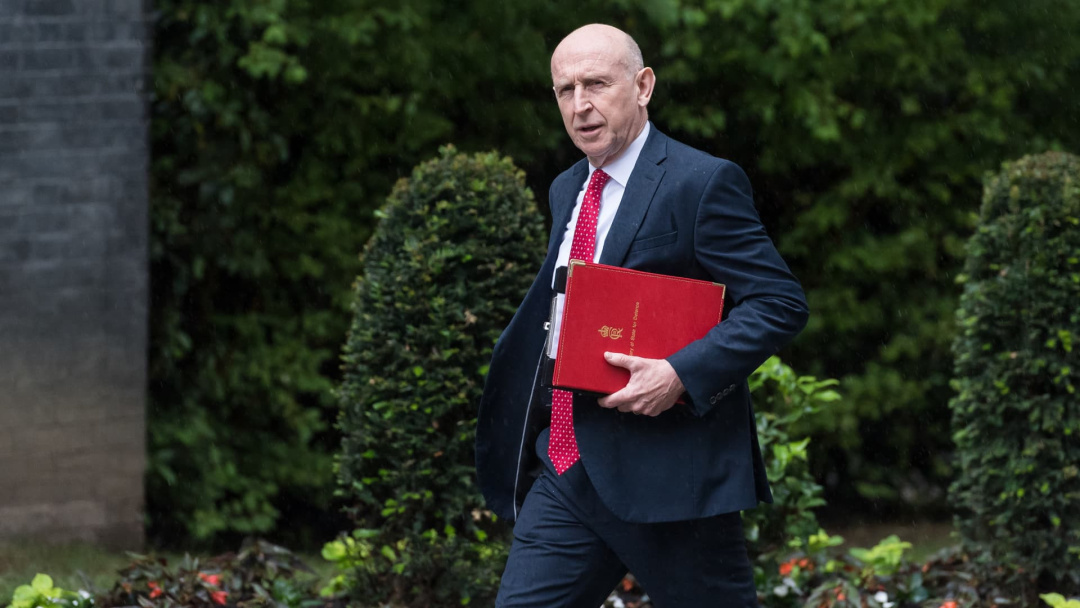
In a move that has left political analysts scratching their heads and local pub patrons raising their pints, Prime Minister Andy Burnham has appointed John Healey as Chancellor of the Exchequer. This unexpected decision comes at a time when the British economy is about as stable as a one-legged table in a windstorm. Healey, fresh from his stint as Secretary of State for Defence, is now tasked with mending the economy, a feat that many are likening to asking a raccoon to perform open-heart surgery.
The appointment has been met with both cheers and jeers, with supporters claiming Healey will bring a fresh perspective to the Treasury, while critics are just waiting for the inevitable economic disaster to unfold, popcorn in hand. Observers have noted that Healey’s qualifications for the role are impressive on paper, but they also suggest that handing the economy to a former Defence Secretary might be akin to letting a toddler drive a tank.
Still Beats Watergate:
Sponsor success. Continue reading:
In an official statement, Burnham declared, "We need someone who can strategize under pressure, and who better than a guy who has experience managing an entire military?" While this logic is impeccable in theory, the reality is that the only thing Healey may be good at managing is spending taxpayer money on overpriced stationery and bureaucratic red tape.
As Healey prepares to take the reins, economic experts are already drafting a series of public service announcements titled, "Things to Expect When You’re Expecting a Financial Crisis." These will include important tips such as how to make ramen noodles taste like a gourmet meal and the best ways to barter with your neighbors for toilet paper.
Meanwhile, the opposition has pounced on the opportunity to criticize Burnham’s decision, suggesting that Healey’s first act should be to declare a national state of economic emergency. They have proposed a series of reforms that include mandatory economic seminars for all members of Parliament and a weekly budget meeting that will be held over a game of Monopoly, where everyone loses.
While Healey is reportedly excited about the new role, insiders say he is also looking for a good therapist, as the pressure to revive the economy could easily rival that of managing a military coup. Only time will tell if Healey’s appointment will lead to an economic renaissance or simply provide more material for late-night comedians. In the meantime, the British public can look forward to a few more months of political theater, complete with all the drama, intrigue, and questionable financial decisions they can handle.
As the curtain rises on this latest act in the political play, one thing is certain: the stage is set for a performance that will either dazzle or flop spectacularly. And if nothing else, it will certainly provide plenty of fodder for the next round of pub debates.