Lebanon's President Invokes Magic Wand for Israeli Troop Withdrawal
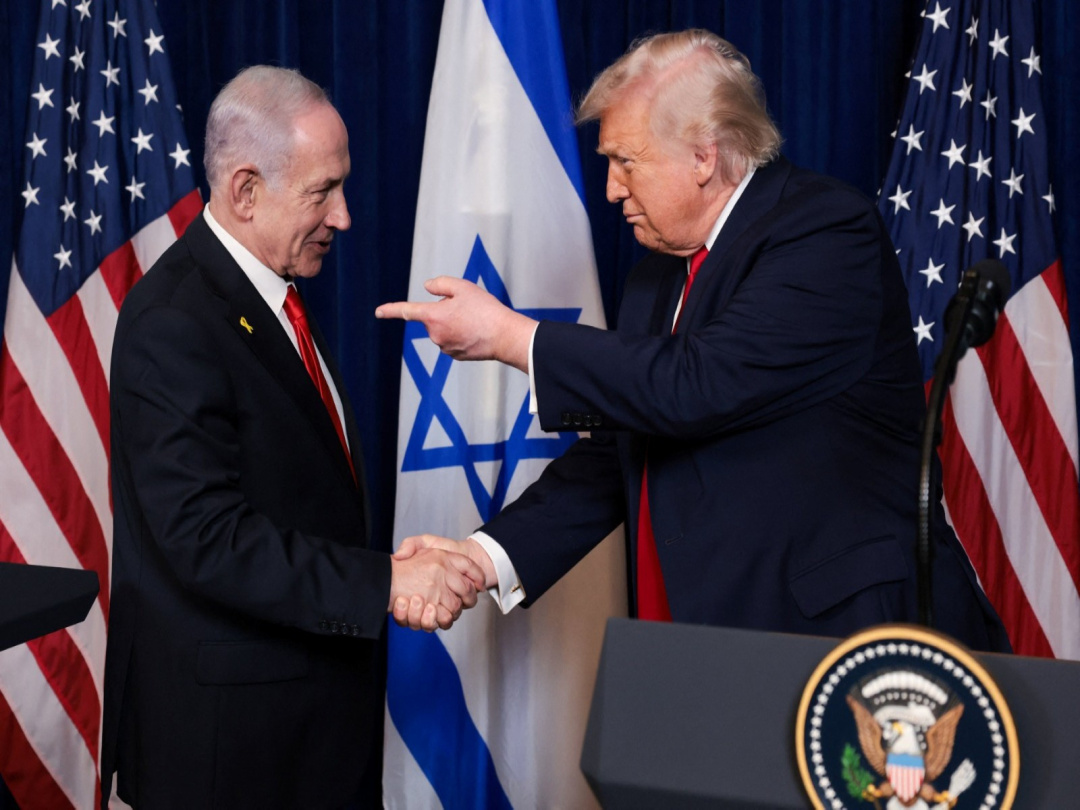
In a diplomatic spectacle that would make even the most seasoned actors in Hollywood blush, Lebanon’s President is set to meet with President Trump, armed not with policy papers but a metaphorical magic wand aimed at achieving the impossible: an Israeli troop withdrawal from southern Lebanon. This meeting, occurring amidst a backdrop of geopolitical tension and historical grievances, is the kind of melodrama that seems ripped straight from a poorly scripted soap opera, where the stakes involve not just regional stability but also the very fabric of diplomatic credulity.
As President Joseph Aoun steps onto the stage of international diplomacy, he carries the hopes of a nation weary from decades of conflict, with the expectation that a few well-placed charm offensives and an earnest smile can coax Israeli forces into a hasty retreat. The White House has rolled out the red carpet, perhaps in anticipation of an epic negotiation sequence worthy of a blockbuster finale. Who needs detailed plans when you have the art of persuasion?
Still Beats Watergate:
Sponsor success. Continue reading:
The plot thickens as Lebanon and Israel, two actors on a long-running geopolitical stage, are engaged in talks facilitated by the U.S. It’s a classic narrative of ‘we can’t get along, but let’s pretend we can for the cameras.’ The backdrop is a “framework agreement” designed to outline the steps toward peace, which essentially translates to a long list of things that have never actually happened. The framework might as well be a blueprint for a new theme park: ‘Welcome to the Middle East Peace Zone, where nothing is as it seems.’
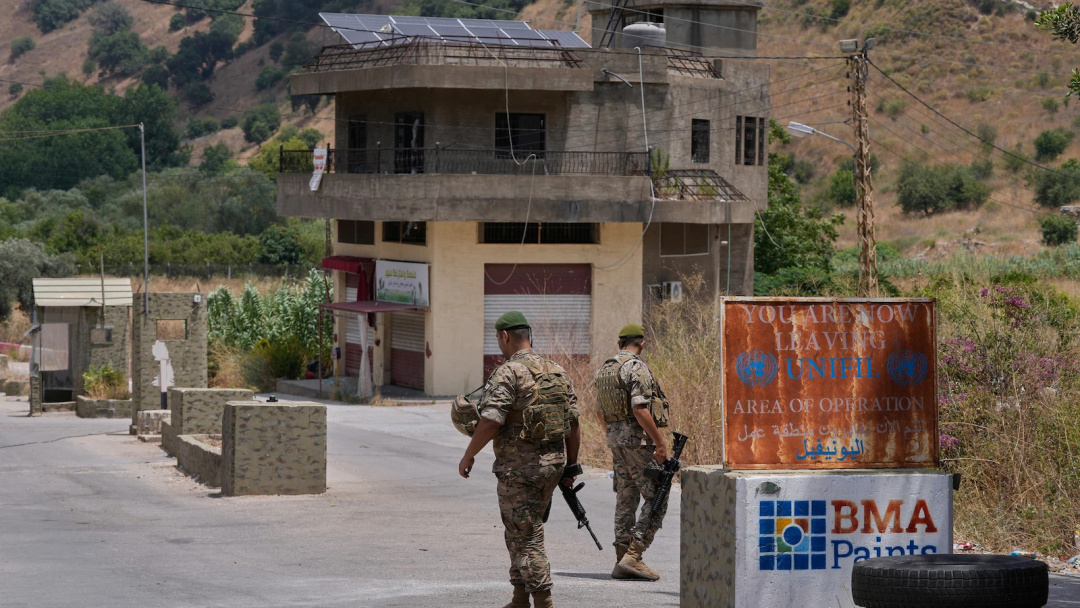
Meanwhile, in Washington, Secretary of State Marco Rubio has taken on the role of cheerleader, urging Lebanon to bolster its military while simultaneously calling for investment in infrastructure. One must wonder if he’s aware that you can’t build a bridge to peace with a shovel and a dream. The Lebanese military is reportedly stepping up its presence in areas slated for the pilot zone, but will they patrol with armaments or just a strong sense of optimism?
In this high-stakes game of diplomatic chess, Hezbollah lurks in the shadows, dismissing talks as mere theatrics while they continue to play their own hand, firmly rooted in the belief that the U.S. should focus its energies on negotiating with their patron, Iran. The irony is palpable: as Lebanon’s government seeks to disarm non-state actors, it’s clear that the real challenge lies not just in military might but in the deeply entrenched narratives and alliances that have shaped the region for decades.
As President Aoun prepares to cast his spell in Washington, one can only hope he packed a strong sense of irony along with his negotiating briefs. The looming question remains: can diplomacy transform into something more than just an elaborate performance for the audience? Or will it ultimately end up as another chapter in the long saga of ‘what could have been’ in the annals of Middle Eastern history? It seems the only thing guaranteed at this point is a dazzling display of executive theater, complete with applause, confusion, and a lot of confused faces in the audience.