Hamas Elects New Leader: A Single Vote and a Whole Lot of Drama
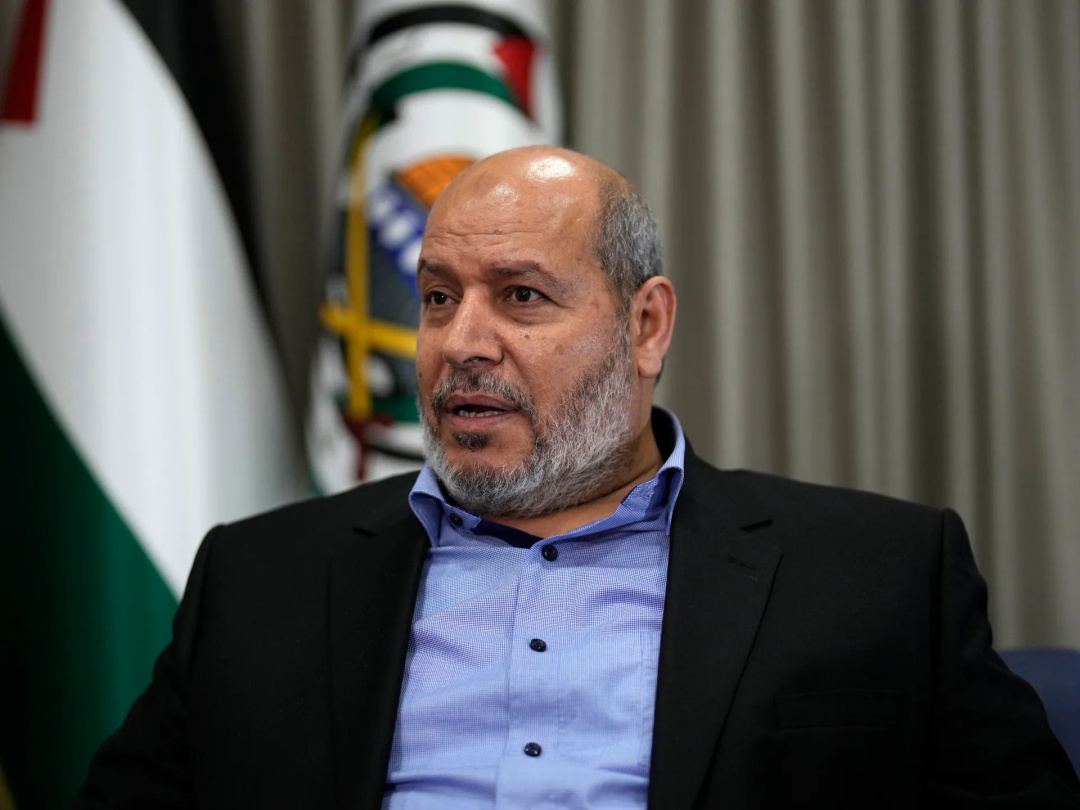
In a nail-biting twist that could only happen in the world of political theater, Khalil al-Hayya has emerged victorious in the leadership election for Hamas, winning by a margin so slim it makes a presidential recount look like a landslide. With 35 votes out of 69, al-Hayya's election has been hailed as a signal of continuity—because what better way to ensure stability than to keep the same folks in charge, even as their lives are upended by external aggression?
Al-Hayya, who is now the proud new face of Hamas, is described as a pragmatist. His experience includes direct negotiations with none other than Jared Kushner's hand-picked envoy, Steve Witkoff, during a time when the political stakes were about as high as a kite in a hurricane. The irony is that while al-Hayya is viewed as part of the Iranian-styled Axis of Resistance, he’s also cozying up to the U.S. like a cat curled up in a sunbeam.
Still Beats Watergate:
Sponsor success. Continue reading:
This paradox highlights the absurdity of modern geopolitics, where one can be a hardliner and yet negotiate like a seasoned diplomat at the same time. Al-Hayya’s nickname, “father of four martyrs,” adds a layer of tragic gravitas to his persona, as he juggles personal loss and political ambition like a circus performer. One can only wonder if Witkoff and al-Hayya bonded over their shared membership in the exclusive club of parents who have lost children—a connection that could prove advantageous in the cutthroat world of Middle Eastern diplomacy.
With al-Hayya’s ascension, analysts predict that Hamas will continue its trajectory of, let’s say, “pragmatic resistance.” After all, why change the playbook when the game is rigged? His election is unlikely to shake up the internal structures of the organization, as he is recognized as a continuity candidate, a term that rings eerily similar to “business as usual.”
In a world where Hamas is often portrayed as a monolithic entity, al-Hayya’s leadership suggests that there’s more nuance than meets the eye. While some might expect a hardline approach, al-Hayya seems to embody the delicate balance of navigating between Iran’s influence and maintaining relations with Arab states. This balancing act is reminiscent of a tightrope walker, but with more explosive consequences.
Despite the ongoing devastation in Gaza—where basic civil functions have been reduced to rubble along with the infrastructure—Hamas remains a governing body, overseeing health services and emergency rescue operations like a beleaguered manager at a failing restaurant trying to keep the kitchen running amidst a health inspector’s visit.
In the end, this election is not just about al-Hayya; it’s a reflection of how the internal mechanisms of Hamas are still ticking, even under the pressure of external forces. It sends a clear message: Gaza remains the epicenter of decision-making within Hamas, a place where the leadership is still trying to hold it all together, one vote at a time. So, as the world watches this unfolding drama, one can only hope the popcorn supply holds out, because this show is far from over.