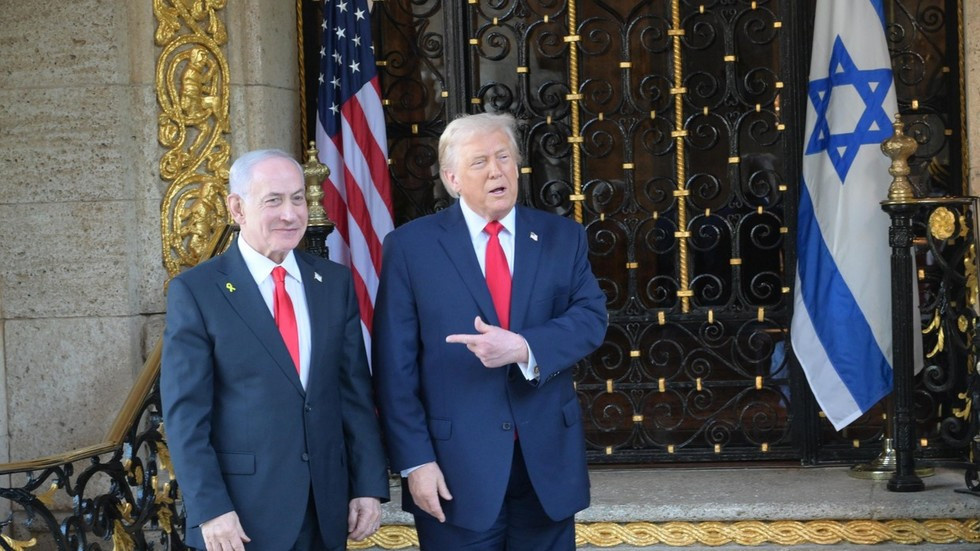
Trump and Netanyahu's Bold Plan: Ceasefire or Fireworks?
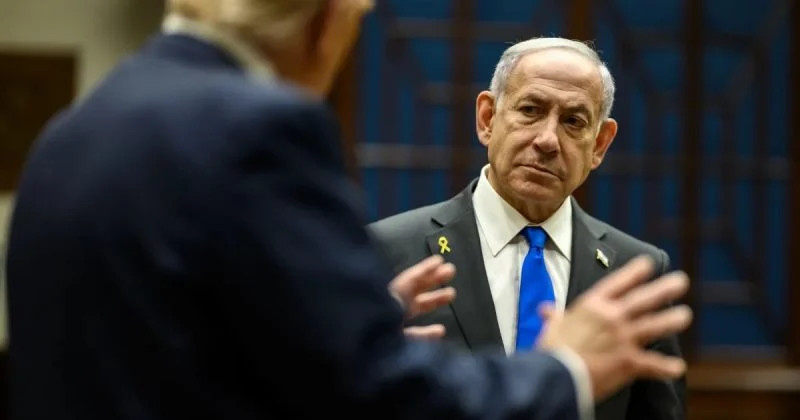
In a stunning display of political theatrics, President Trump and Prime Minister Netanyahu are reportedly engaged in a riveting game of diplomatic chicken over the Strait of Hormuz crisis. On one side of the table lies a proposed 10-day ceasefire, which sounds suspiciously like a good faith effort to ensure that shipping lanes remain open and seafarers can finally stop playing the world’s most dangerous game of nautical hide and seek. On the other side? A massive joint military campaign designed to make Iran capitulate faster than you can say ‘collateral damage.’
This latest episode in the saga of international relations comes after the previous ceasefire collapsed like a cheap tent in a windstorm, leading to a renewed barrage of hostilities and shipping disruptions that left many wondering if they should start investing in inflatable boats. The ceasefire proposal, cheerfully presented by Qatar, Egypt, Pakistan, and Oman, is being touted as the region’s newest peace plan, with all the enthusiasm of a used car salesman trying to sell you a lemon.
Still Beats Watergate:
Sponsor success. Continue reading:
Market analysts have perked up at the tantalizing prospect of a ceasefire, with the odds of it lasting through July 25 shooting up from a measly 70% to a robust 81% overnight. Traders are now weighing the possibility of sitting on their investment portfolios while watching geopolitical tensions simmer down, even as they hold their breath for the next round of fireworks.
However, projections for a continued ceasefire through the end of July suggest that the optimism might be a bit premature, with the odds dropping to a mere 66.5%. It seems that while everyone is daydreaming about peace, the specter of military intervention still looms large, like an unwanted guest who just won’t leave the party. It’s a delicate balancing act between sincere diplomatic overtures and the ever-tempting allure of military might.
Observers are urged to keep their eyes peeled for any official announcements from the U.S. or Israeli officials that could either confirm the ceasefire proposal or provoke a new wave of military posturing. A confirmed reopening of the Strait of Hormuz by Iranian leadership would likely send the markets into a jubilant frenzy, while news of renewed military actions would have investors scrambling to sell their stocks faster than a politician can flip-flop on a campaign promise.
As the dust settles and the geopolitical landscape shifts, the coming days will be crucial. Whether Trump and Netanyahu can navigate this minefield of international relations without losing their balance remains to be seen. But rest assured, one thing is clear: in the world of high-stakes diplomacy, the only thing that might be more dangerous than a military campaign is the chance of a ceasefire actually working.