Ortega Declares Elections as Optional, Like a Side Salad
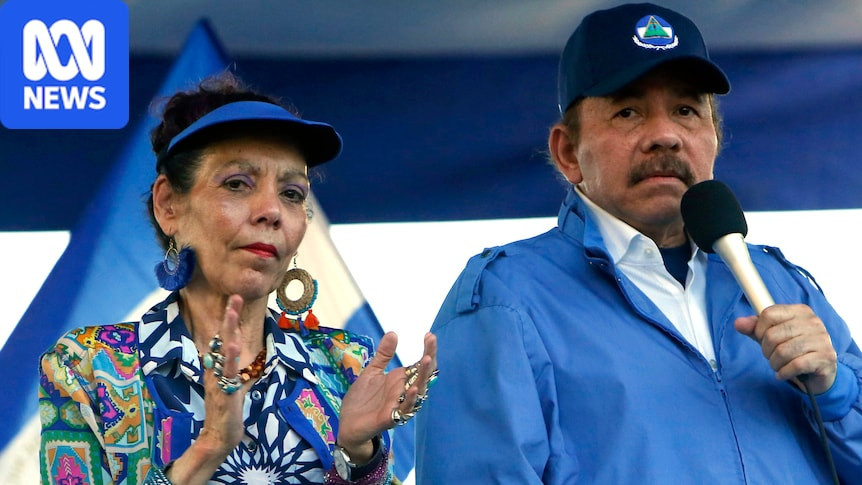
In a stunning revelation that is sure to send shockwaves through the political elite, President Daniel Ortega has declared that Nicaragua will not be holding elections anytime soon. This move, described by insiders as a ‘strategic pause,’ gives the term ‘electoral democracy’ a whole new meaning. Campaigning for an election now feels about as necessary as a gym membership in January—everyone talks about it, but no one really wants to commit.
Ortega, who has been in power for nearly two decades, insists that the people of Nicaragua deserve a break from the stress of voting. In a recent press conference, he stated, ‘Why should we burden our citizens with the responsibility of choosing their leaders? It’s exhausting.’ This refreshing perspective aligns perfectly with his administration's ongoing commitment to ‘leadership through relaxation.’
Still Beats Watergate:
Sponsor success. Continue reading:
The announcement has sent ripples of relief through Ortega’s inner circle, who were reportedly concerned about the potential for a competitive election to disrupt their carefully curated status quo. In the spirit of teamwork, Ortega also suggested that instead of elections, perhaps a lottery system could be implemented, allowing citizens to draw their leaders like they would a bingo game. After all, why not let fate decide?
Political analysts are left scratching their heads, pondering if this is a clever ploy or simply a case of Ortega forgetting to renew his election calendar. Some speculate that the lack of elections is a way to protect his ‘brand’—a brand that has become synonymous with extended rule, a touch of authoritarian flair, and an impressive collection of questionable decision-making.
Meanwhile, Ortega’s co-President and wife, Rosario Murillo, expressed her enthusiasm for the delay, noting that it would allow the couple more time to focus on ‘important administrative tasks,’ which possibly include perfecting their shared throne room and updating their social media presence to reflect their ‘unwavering dedication’ to the people.
As the world watches this political performance unfold, questions loom large: Will the citizens of Nicaragua demand their democratic rights back, or will they continue to enjoy an extended vacation from decision-making? One thing is clear—Ortega has taken the concept of governance and turned it into a long-running soap opera, where the plot twist is always centered around ‘no elections for you!’
Ultimately, Ortega’s announcement serves as a timely reminder that democracy is a lot like a buffet: you can take what you want, but sometimes, it’s just easier to skip the whole thing altogether. In the meantime, Nicaragua will continue its journey through the political wilderness, blissfully unaware that elections might still be a thing somewhere out there—like unicorns or the concept of a bipartisan agreement.