Democrats Launch Emergency Campaign Strategy: Pretend It's Not Happening
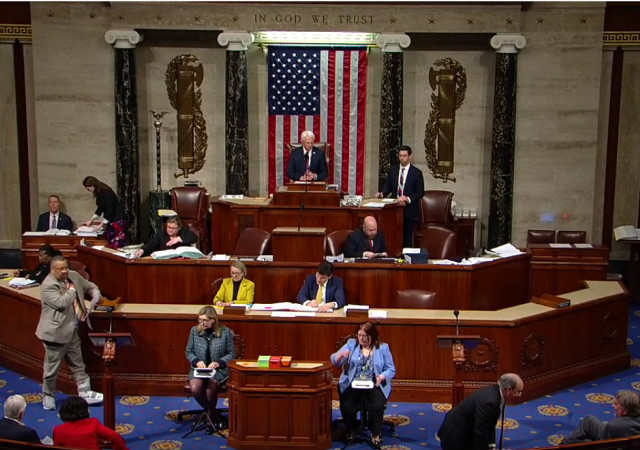
In a stunning display of electoral acrobatics, the Democratic Party has unveiled its newest campaign strategy: a comprehensive approach to simply pretend the midterms aren’t happening. As Republican polling numbers soar, Democrats have shifted into a state of blissful denial, insisting that if they don’t acknowledge the problem, it will go away. The strategy, dubbed "Wishful Thinking 2.0," is designed to keep spirits high while the ground shifts beneath their feet, ensuring voters remain blissfully unaware of the impending doom.
Party leaders have reportedly gathered in a series of top-secret meetings, armed with a PowerPoint presentation that consists mainly of inspirational quotes and favorite childhood memories. "We believe in the power of positive thinking," asserted one high-ranking official, who wished to remain anonymous. "If we can convince ourselves that everything is fine, then surely the voters will agree."
Still Beats Watergate:
Sponsor success. Continue reading:
In a new memo circulated among campaign staff, the Democratic National Committee outlines their key messaging points: first, the economy is doing great—at least in a parallel universe where unicorns deliver pizza. Second, they will focus on the importance of community, emphasizing that local coffee shops are thriving despite rising inflation. Finally, they plan to deploy an army of enthusiastic volunteers to knock on doors with the sole message: "Vote for us! Because why not?"
Meanwhile, Democratic strategists are reportedly working overtime on social media campaigns that feature hashtags such as #EverythingIsFine and #NotDoomedYet. "We’re harnessing the power of digital marketing to create an illusion of optimism, even in the face of stark reality," said a spokesperson who definitely wasn’t sweating under the pressure.
To further bolster their efforts, the party is launching a nationwide series of pep rallies. These events will feature motivational speakers who specialize in self-help and denial, alongside appearances by popular influencers who will assure attendees that their feelings about the election are valid, regardless of the actual polling data. It’s a grassroots campaign designed to tap into the emotional psyche of voters and distract them from the fact that the party is struggling.
As election day approaches, Democrats are expected to double down on this approach, believing that if they can just maintain a façade of confidence, voters will forget to check the polls. "We’re confident that our strategy will yield results," said one party strategist. "After all, who needs to actually address the issues when you can simply ignore them?"
As the polls show a four-point advantage for Republicans, it seems the Democratic strategy of denial could either lead to a miraculous turnaround or a spectacular faceplant. Only time will tell if this new approach will pay off or if the party will be left scrambling to pick up the pieces post-election. But one thing is for certain: the show must go on, even if the script is a fantasy.