Pentagon Replaces Human Civilians with AI to Manage Civilian Harm
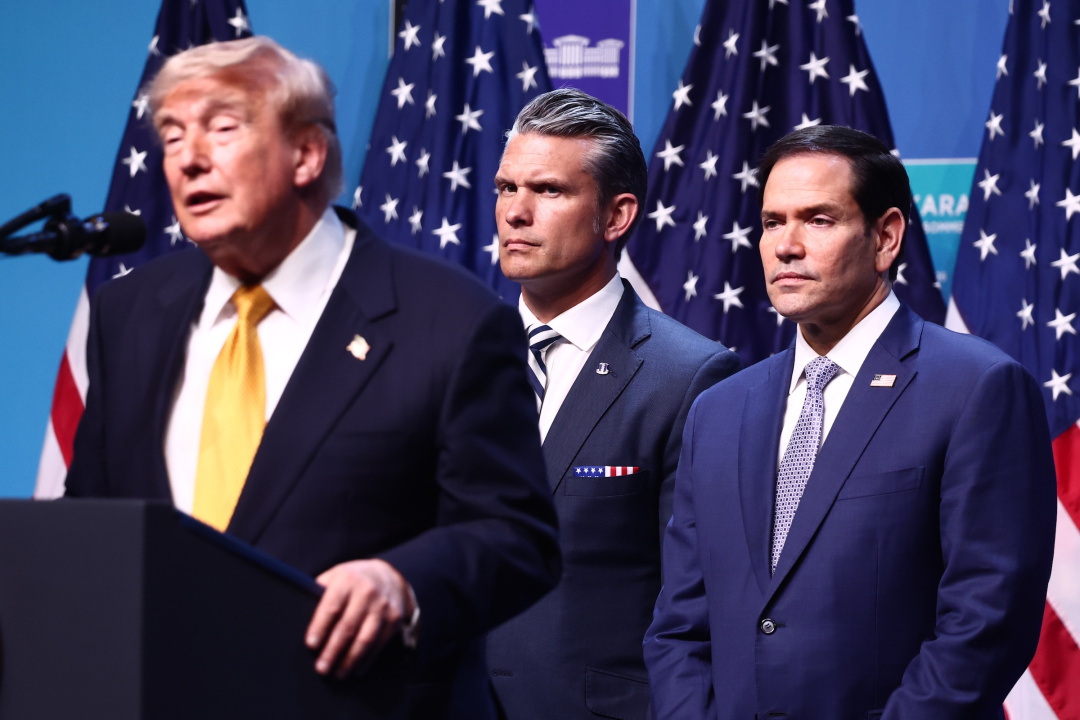
In a stunning display of bureaucratic ingenuity, the Pentagon has decided to trade in its civilian harm reduction staff for a shiny new AI system. Yes, you heard it right. Instead of investing in the people who once held the dubious honor of mitigating civilian casualties, the Department of Defense is now leaning heavily on artificial intelligence. Because nothing says compassion like a computer program crunching numbers while people cry for help.
Secretary of Defense Pete Hegseth, in his infinite wisdom, has overseen a drastic downsizing of the civilian harm reduction teams within the Pentagon. Once boasting a robust roster of dedicated personnel, the Civilian Protection Center of Excellence has been reduced to a mere shadow of its former self—going from forty down to a paltry nine. At CENTCOM, responsible for military operations in the Middle East, the team has dwindled from ten to just one. Clearly, the motto is "less human, more machine."
Still Beats Watergate:
Sponsor success. Continue reading:
In the wake of these cuts, the Pentagon has embraced AI solutions like Palantir’s Maven Smart System and AskSage, which are billed as the next-generation answer to evaluating civilian environments. Forget the messy business of human empathy; let’s just let the machines decide who gets harmed in the next strike. The military is apparently unfazed by the prospect that AI might lack the moral compass required to discern between a school and a military target. After all, there’s no algorithm for guilt, right?
Notably, this tech-centric approach coincides with some rather unfortunate recent history. The U.S. military’s decision to target an elementary school in Minab, Iran, resulting in the deaths of over 150 civilians, including numerous children, raises eyebrows. Reports suggest that the AI used to select this target may have bypassed critical warnings. It seems the Pentagon’s strategy is to let computers handle the heavy lifting, while they wash their hands of accountability. What could possibly go wrong?
As Wes Bryant, a former overseer of civilian harm assessments, lamented, the remaining staff aren’t even allowed to investigate major incidents of civilian casualties anymore. It’s as if the Pentagon has adopted a new motto: “If we can’t see it, it didn’t happen.” This is classic executive logic—less oversight means less opportunity for embarrassment.
The striking irony is that while the Pentagon is cutting back on human staff tasked with protecting innocent lives, it is ramping up its reliance on technology that many argue has a questionable grasp on the nuances of human conflict. The quest for efficiency at any cost has never looked so cold or calculated. In an age where the military's ethical compass seems increasingly dependent on algorithms, one has to wonder: are we truly safer, or just better at pretending?
So, as the Pentagon forges ahead with its AI-driven strategies, let’s not forget that behind every algorithm lies the potential for catastrophe. The next time we hear of civilian casualties, we might as well save the outrage for the motherboard. After all, in this brave new world, the machines may just be running the show, while the human spirit is left to flicker in the background, like a faulty lightbulb in a dimly lit office.