Ed Miliband Appointed Foreign Secretary: A Masterclass in Diplomatic Irony
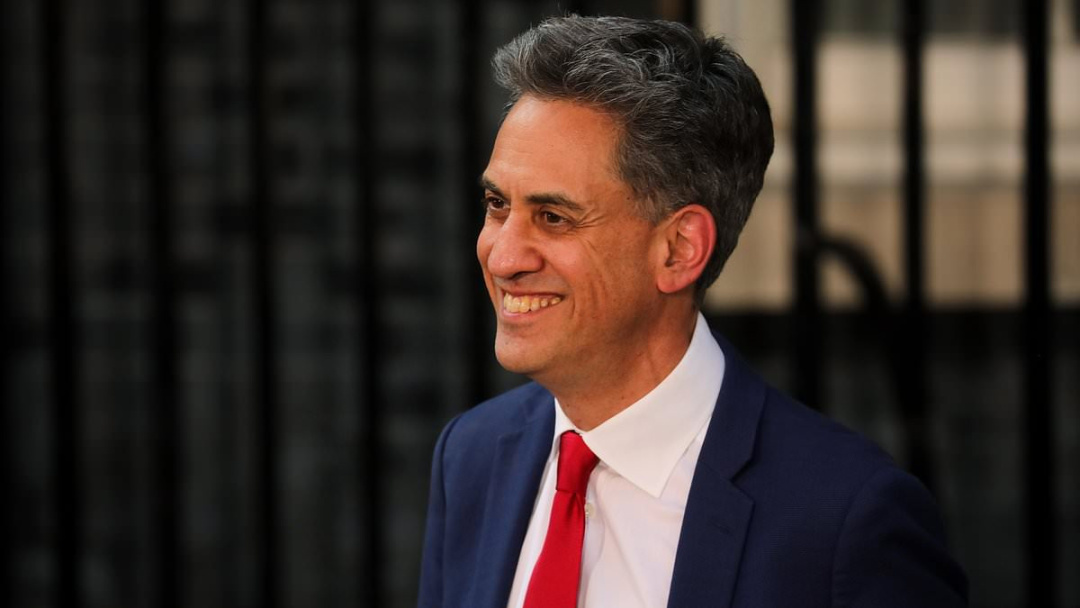
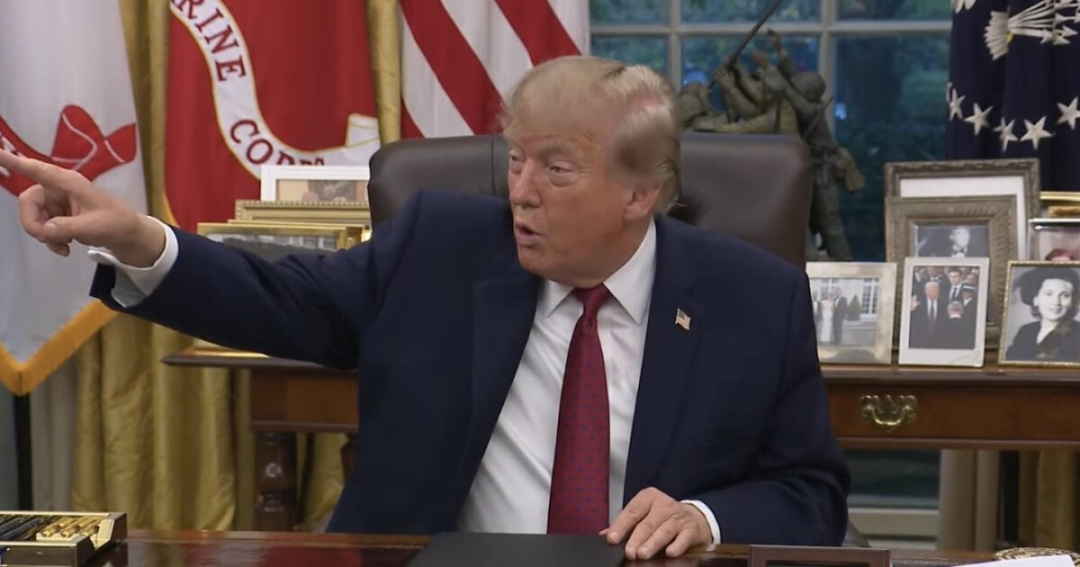
In a stunning display of political gymnastics, Ed Miliband has been appointed as Britain's Foreign Secretary, a move that can only be described as a masterclass in diplomatic irony. Fresh off a tenure where he didn't just criticize Donald Trump but practically delivered an entire TED Talk on the subject, Miliband now finds himself tasked with mending the UK's fraying 'special relationship' with the United States. One can only imagine the delightful awkwardness at the next diplomatic dinner where Miliband will likely have to dodge any mention of his previous comments about Trump being a 'racist and misogynist.'
The appointment has sparked a flurry of media chatter, with political analysts scratching their heads and asking, "What could possibly go wrong?" It’s as if the Prime Minister, in a fit of whimsy, decided to take a page from the reality television playbook: let’s see how this unfolds on live television! Perhaps Miliband can channel his inner diplomat and offer Trump a heartfelt apology while simultaneously asking him how his golf game is going.
Still Beats Watergate:
Sponsor success. Continue reading:
Reports indicate that there are already contingency plans in place for potential diplomatic faux pas. The Office of Special Appropriateness has issued guidance on how to compliment a leader who has publicly insulted you without sounding like a complete sycophant. The memo reportedly includes phrases such as, "Your hair is still as magnificent as I remember" and "I find your tweets...very interesting."
In the spirit of cooperation, Miliband is expected to employ a unique strategy: he will refer to Trump as 'my esteemed counterpart,' while simultaneously preparing a list of euphemisms for 'disaster' for any discussions regarding foreign policy. This approach is geared toward maintaining a semblance of decorum, even as the underlying tensions simmer like a pot of overcooked pasta.
Critics have already begun to speculate on how this appointment might impact Britain's global standing. Some suggest that it could usher in a new era of diplomatic creativity, where awkward exchanges become the norm and the phrase 'let’s agree to disagree' evolves into a high art form. Others, however, are less optimistic, fearing that the 'special relationship' might now involve a lot of uncomfortably silent car rides and a strict no-eye-contact policy during meetings.
Regardless of how it plays out, one thing is certain: the world will be watching. Will Miliband be able to navigate the turbulent waters of international relations while keeping a straight face? Will he manage to engage Trump in a meaningful dialogue without inadvertently launching into a critique of his policies? Only time will tell. For now, we can all sit back and enjoy the show, because if there's one thing we can count on, it’s that politics will always provide us with the best entertainment money can’t buy.