Hamas Elects New Leader Amid Crises—But Is He Just Another Hardliner?
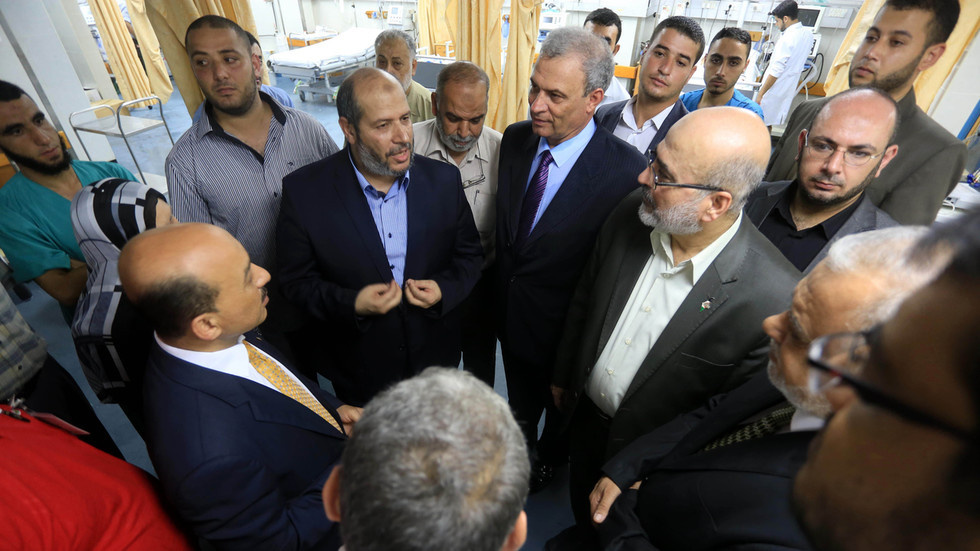
In a dramatic turn of events that could be titled "Hamas Leadership: The Musical Chairs Edition," Khalil al-Hayya has been elected as the new head of the political bureau. His ascension follows a series of unfortunate events, including the abrupt departure of his predecessor, Yahya Sinwar, who took a permanent vacation courtesy of an Israeli strike. Al-Hayya, who previously dabbled in ceasefire negotiations and was deeply involved in Hamas’ internal politics, now finds himself at the helm during one of the group’s most turbulent times.
The irony isn’t lost on anyone: as al-Hayya is sworn in, Hamas faces mounting international demands to disarm, a task that seems about as likely as a snowstorm in the Sahara. With the political landscape resembling a battlefield more than a conference room, al-Hayya’s hardline reputation raises questions about whether he will steer the ship toward peace or straight into the storm.
Still Beats Watergate:
Sponsor success. Continue reading:
“Congratulations on your promotion! Now, go negotiate peace,” seems to be the unspoken sentiment among analysts watching from the sidelines. Al-Hayya's past as a key negotiator doesn't inspire much confidence, especially when negotiating seems to involve a lot of shouting and not much listening. His prior experience with ceasefires appears to be more of a suggestion than a roadmap.
The leadership election, which took place amidst a backdrop of chaos, was described as a “democratic process” by Hamas representatives. A 50-member council made up of members from Gaza, the West Bank, and even those locked away in Israeli prisons participated in the selection. It’s heartwarming to see that even in times of war, bureaucracy finds a way to thrive.
As the newly appointed leader steps into his role, international observers are left wondering if al-Hayya will lean into hardline tactics or attempt to navigate the murky waters of diplomacy. His appointment has already drawn congratulations from Hezbollah, a group that knows a thing or two about political maneuvering in a crisis. This indicates to some that Hamas remains unified and perhaps even emboldened despite the chaos surrounding them.
However, the question remains: can al-Hayya balance the demands of a hardline faction while also appeasing international pressures for peace? In the grand tradition of political theatre, this latest chapter in Hamas’ saga will likely be filled with drama, plot twists, and perhaps a few surprise cameos from other world leaders.
As the situation unfolds, the world will watch with bated breath—or perhaps just popcorn in hand—as this new leadership attempts to navigate a path that has been fraught with peril. After all, what’s more entertaining than a political drama with a side of international intrigue?