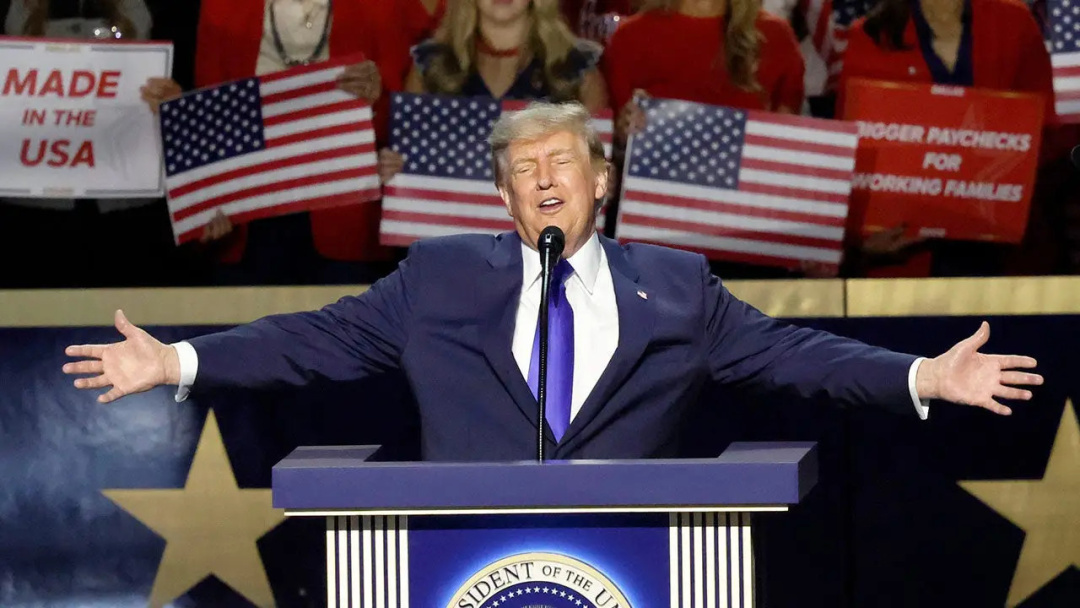
Trump's New Election Strategy: Just Keep Blaming China
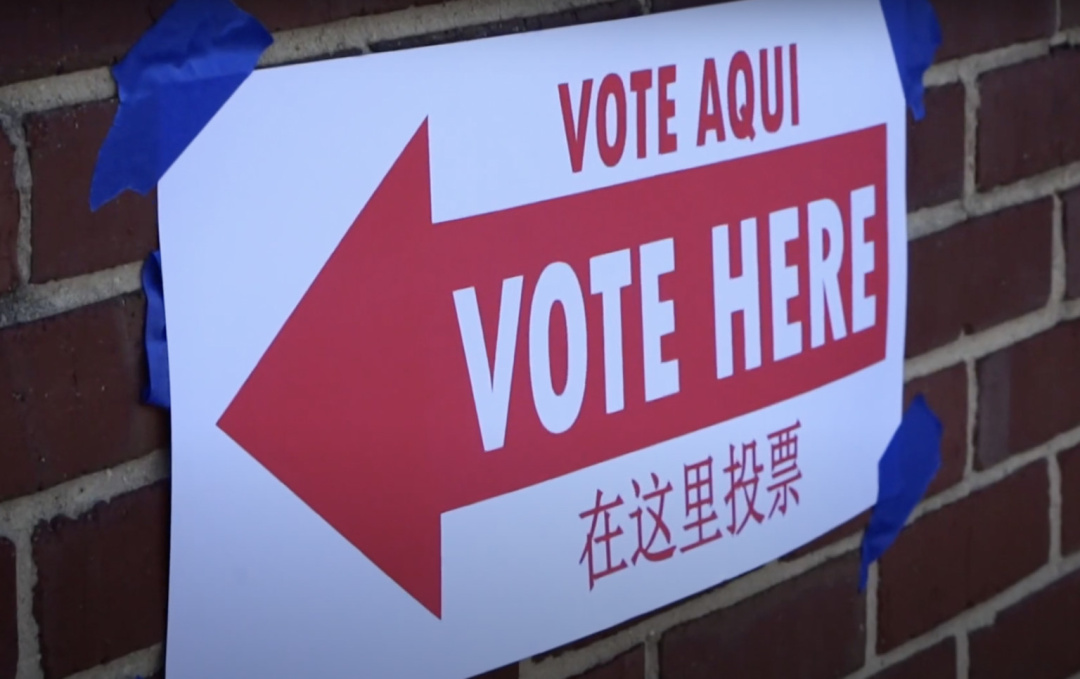
In a bold new strategy that could only be described as a masterclass in misdirection, the Trump administration has officially adopted a theme for the upcoming election cycle: blame China. Yes, you heard it right—the same country that Trump has accused of everything from stealing jobs to stealing elections is now the convenient scapegoat for all his past electoral woes. Forget policy failures or the lack of coherent strategy; the new mantra is simple: when in doubt, point at China.
In a prime-time address reminiscent of a bad reality TV show, Trump recently unveiled a plan that involves declassifying intelligence on alleged Chinese election meddling, which he claims is the largest compromise of election data in history. Forget that the official assessments from U.S. intelligence agencies have consistently found no evidence of such interference in the 2020 election; Trump’s version of events is far more compelling. After all, who needs facts when you have a narrative?
Still Beats Watergate:
Sponsor success. Continue reading:
This new campaign strategy not only serves to deflect attention from his administration’s various blunders but also taps into a rich vein of populist rhetoric. By painting China as the new villain in the election saga, Trump ensures that the narrative of a stolen election remains fresh in the minds of his supporters. It’s a classic case of political sleight of hand, where the real issues are obscured by a flashy distraction.
The documents he presented—which are as heavily redacted as they are dubious—suggest nefarious plots hatched by Chinese agents to infiltrate U.S. voter data. But let’s be real: if we’re going to believe that China has the capability to pull off such a grand scheme, we might as well also believe in unicorns. The irony is deliciously thick as the former president, who once claimed that the voting system was rigged against him, now uses the very system he questions to amplify his own grievances.
In true Trump fashion, he has also brought Venezuela into the mix, alleging that the CIA had a hand in rigging their elections too. It’s a strange sort of poetic justice that a man who has spent years questioning electoral integrity now uses the same tactics to justify his own claims of victimhood. The narrative spins faster than a turntable at a disco, and the only thing that seems to matter is keeping the audience entertained—facts be damned.
As the Trump machine revs up for its next round of campaigning, his supporters are likely to eat this narrative up like candy. After all, who wouldn’t want an enemy to rally against? In a landscape where accountability feels like a distant memory, it’s far easier to point fingers than to reflect on one’s own shortcomings. The Trump administration is betting that this strategy will not only keep his base energized but also sow seeds of doubt in the minds of undecided voters, effectively manuring the ground for future electoral contests.
This approach, however, raises critical questions about the future of American democracy. By continuously framing elections as rigged and corrupt, Trump is laying the groundwork for a political climate where dissent becomes synonymous with treachery and the legitimacy of the electoral process is constantly under attack. It’s a dangerous game, and the stakes are nothing less than the integrity of future elections.
As we brace ourselves for another round of political theater, one thing is clear: the show must go on. With China firmly in the crosshairs and the narrative of stolen elections front and center, the Trump administration has crafted a script that is sure to keep audiences captivated—and perhaps even a little horrified—by the lengths to which it will go to hold onto power. This isn’t just a campaign; it’s a cautionary tale about the fragility of democratic institutions in the face of relentless spin and narrative control.