New Memo: Strategic Retreat or Just Bad GPS?
In an unprecedented move that has left strategists scratching their heads, the White House has released a new internal memo titled "Strategic Retreat: How to Leave Without Actually Leaving." This document advocates for the withdrawal of U.S. troops from the Middle East, framing the decision as a savvy adaptation to modern warfare rather than a hasty exit from a quagmire. The memo humorously suggests that abandoning military bases could actually be akin to a trendy new fitness regimen called "running away from your problems."
The memo, which has been described as both refreshing and bewildering, claims that removing U.S. forces is not a retreat but instead a bold step towards peace, reminiscent of that friend who always claims they are "just taking a break" when they mean "I need to get out of this relationship." Officials insist that this move will not only enhance national security but also free up valuable real estate in the Middle East for future military-themed amusement parks.
Still Beats Watergate:
Sponsor success. Continue reading:
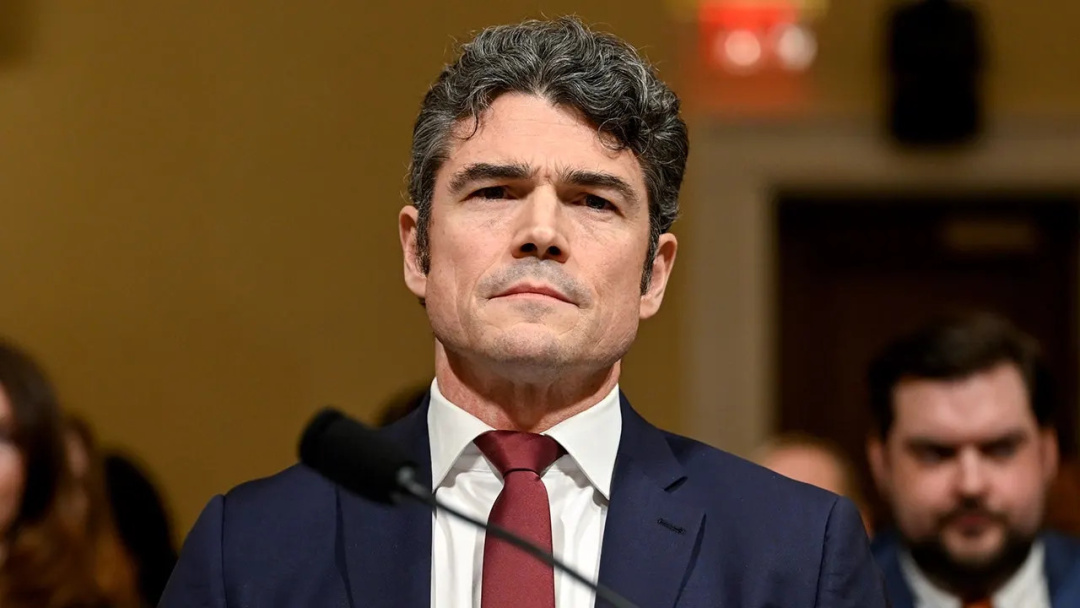
Citing former National Counterterrorism Center Director Joe Kent’s recent comments, the memo notes that our bases have become "liabilities and relics of the past. The memo encourages troops to pack their bags, grab their toys, and enjoy the scenic route home, preferably by way of a tropical destination. The administration also suggests that potential new tenants of these bases could include tech startups, yoga retreats, or perhaps a new line of fast-food outlets specializing in military-themed cuisine, such as "MRE Burgers" and "IED Tacos."
Adding a touch of bureaucratic flair, the memo outlines the five stages of withdrawal: denial, anger, bargaining, depression, and acceptance, assuring personnel that they will reach acceptance before reaching the nearest exit. The memo humorously warns that if anyone encounters unexploded ordnance during their departure, they should simply leave it for the next tenant, as it adds character.
While many are skeptical about this newfound strategy, the memo assures everyone that this is not just a clever way to dodge responsibility. Instead, it is a long-term plan to ensure that America can "lead from behind"—a phrase that has become the hallmark of modern military strategy, similar to how one might lead a dance party by standing awkwardly in the corner.
As the White House gears up for this bold new chapter in military strategy, one thing is clear: they are taking the phrase "out of sight, out of mind" to a whole new level. The tactical shift may leave some scratching their heads, but for those in the administration, it’s just another day at the office, expertly balancing the fine line between chaos and confusion.