World Cup 2026: A Political Game of Soccer and Scandals
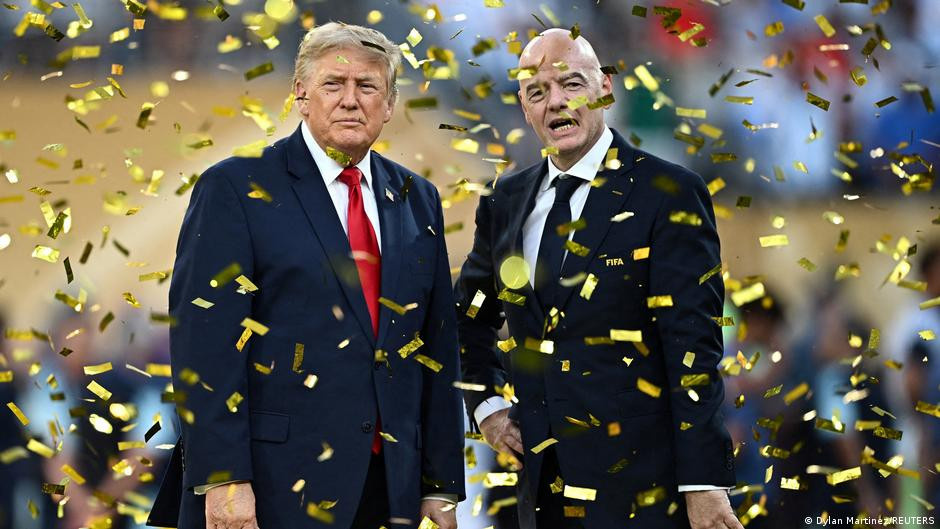
In the wake of the 2026 World Cup, held across the playgrounds of the U.S., Canada, and Mexico, one can't help but marvel at how this spectacle turned into a high-stakes political drama, complete with questionable officiating and a cameo from the U.S. President, who seemed more interested in PR than in soccer. FIFA President Gianni Infantino, in a display that can only be described as self-congratulatory, proclaimed the event as the 'greatest sporting, social, and cultural event in humanity.' The only thing greater might just be the list of security concerns that were swept under the rug like a stray soccer ball during a game of dodgeball.
As the final whistle blew, Spain emerged as champions, marking an unprecedented moment in history where both men’s and women’s teams from a nation held the title simultaneously. The only thing more unexpected than Spain’s victory was the fact that the empty seats in stadiums during group stages were more visible than politicians at a climate summit. FIFA reported an attendance of over six million, but it seems the number was padded by eager fans showing up only for the free Wi-Fi.
Still Beats Watergate:
Sponsor success. Continue reading:
The introduction of hydration breaks drew mixed reactions, with coaches either supporting them or keeping their heads down to avoid being noticed by the hydration police. Former coach Marcelo Bielsa lamented the disruption to the game’s rhythm, declaring that these breaks were akin to adding a second halftime during a Broadway show—making one wonder if the next World Cup will feature intermissions for popcorn refills.
The World Cup was not without its underdog stories, with upstart teams like Cape Verde managing to hold Spain to a draw, leaving fans to wonder if FIFA had finally run out of teams to invite. Meanwhile, a controversial red card awarded to U.S. forward Folarin Balogun turned into a diplomatic incident, with Trump personally lobbying for a review of the ban, proving once again that he will bring his brand of chaos to any event, even if he only shows up for the final.
Concerns about the tournament's security were not unfounded. While the games in the U.S. might have gone smoothly, Mexico’s wild celebrations turned darker with reports of car crashes and stampedes. Even more disheartening was the story of Somali referee Omar Artan, who was denied entry despite his valid visa, raising questions about who really gets to play in this game called 'Inclusion.'
Despite the glittering spectacle, human rights organizations were quick to criticize FIFA for its dismal track record on human rights. They pointed to the U.S. government's immigration policies as a backdrop to the event, undermining FIFA's claims of inclusivity. It seems the only thing more inflated than ticket prices was the rhetoric about how everyone could feel safe.
Looking ahead, Infantino hinted at expanding the World Cup yet again, which has led to speculation about whether the next tournament will feature more teams than fans. As we cast our gaze toward future tournaments, one thing is certain: the road to soccer glory will continue to be paved with political theatrics and expensive nachos. The World Cup, it turns out, is not just a game of soccer; it's a game of thrones, and we’re all just players in the audience, wondering when the next twist will unfold.