Supreme Court Announces New Role as Chieftaincy's Backup Dancer
In a stunning development that’s sure to send shivers down the spines of constitutional scholars and bureaucrats alike, the Supreme Court has officially announced its new role as the backup dancer to chieftaincy institutions. This partnership, described as a 'synchronization of the ages,' aims to blend the ancient wisdom of tribal governance with the dazzling choreography of modern judicial oversight. It seems that the justices have realized that no traditional ceremony is complete without a little legal flair, and what better way to ensure harmony than by standing shoulder to shoulder with chieftains?
Justice Paul Baffoe-Bonnie, in a rare moment of candor, admitted that while the court has always been a place of last resort for legal disputes, it has now taken on the added responsibility of ensuring that the ceremonial regalia of chieftaincy is never out of style. During a recent symposium on the interplay between traditional authority and judicial power, the court revealed its groundbreaking strategy: to harmonize legal proceedings with tribal rituals. This development follows a lengthy internal review where justices apparently concluded that their robes could use a little more color and a lot more traditional beadwork.
Still Beats Watergate:
Sponsor success. Continue reading:
Otumfuo Osei Tutu II, the Asantehene, has welcomed this initiative with open arms, declaring that the court's newfound role as a cultural dance partner will only enhance community development. After all, what could possibly go wrong when the guardians of law and order take cues from local chiefs about how to properly swish their sashes? In a world where judicial decisions often appear as dry as the legal jargon used to describe them, adding a dash of chieftaincy flair seems like a recipe for success—or at the very least, a viral TikTok dance challenge.
The Supreme Court's recent shift has also sparked a wave of enthusiasm among legal practitioners, who are now considering how to incorporate traditional storytelling into their courtroom arguments. Why argue about the interpretation of statutes when you can regale the jury with tales of ancient kings and legendary battles? The bench is clearly eager to embrace a narrative style that leaves behind the monotony of legalese in favor of epic sagas that even Homer would envy.
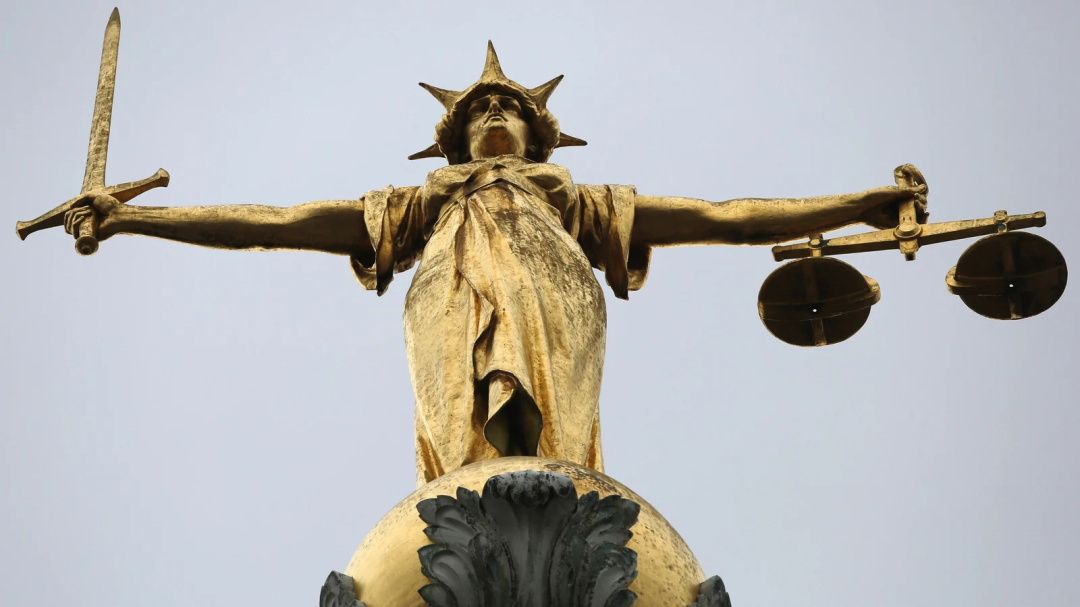
Critics, of course, have raised eyebrows at this newfound camaraderie between the court and chieftaincy institutions, questioning whether the judiciary is trading its impartiality for a few ceremonial beads. However, supporters insist that blending these two worlds will create a more harmonious society, where the scales of justice are balanced not only by law but also by the weight of ancestral wisdom.
As we look to the future, one can only imagine the possibilities: court cases decided by tribal councils, verdicts announced with drum rolls, and judges adorned in regalia more befitting a chieftain than a jurist. If this trend continues, we may soon find ourselves in a legal landscape where justice is not just served but is also a community event worthy of a feast. Who knew that the intersection of law and tradition could be the hottest ticket in town?
So, as we brace ourselves for the next court session, keep your eyes peeled for the upcoming Supreme Court gala. And remember, when the judge asks for order in the court, it might just be time for a dance break!