Israel's $45 Million AI Campaign: Because Why Not Manipulate Public Opinion?
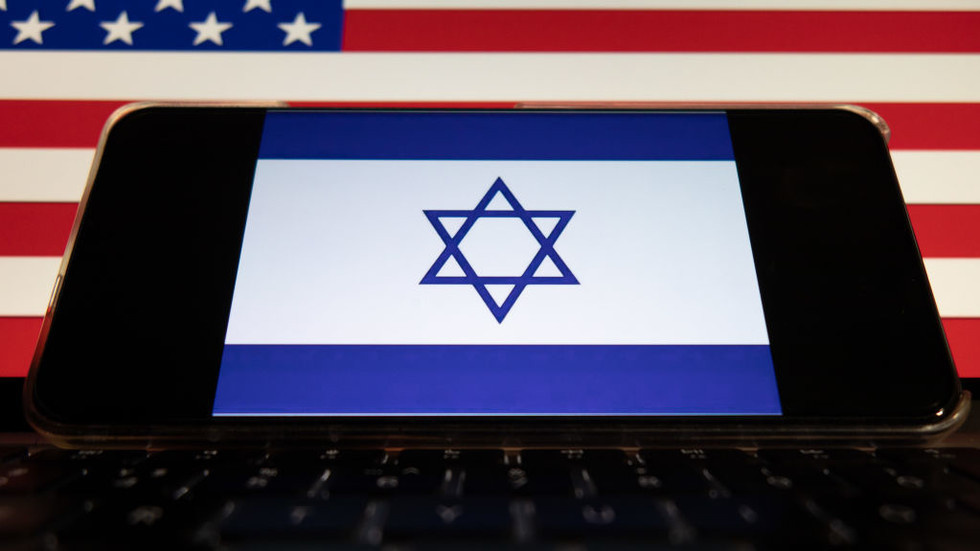
In an unprecedented move that has left political analysts scratching their heads, Israel is reportedly launching a $45 million AI-powered media campaign to win over the hearts and minds of the American public. This innovative initiative, led by none other than former Trump campaign manager Brad Parscale, aims to reshape Israel’s image in the U.S. and, presumably, to make it less ‘unfavorable’ in the eyes of a populace that seems to have lost its taste for geopolitical drama.
The campaign is not merely an exercise in public relations; it is a high-tech extravaganza featuring AI-generated messages from a charming cast of fictional characters like Emma, Sarah, and John. These friendly-sounding avatars are reaching out to unsuspecting Americans with questions about U.S.-Israel relations, all while masquerading under the banner of a completely fictitious organization called Friends for Peace. One can't help but admire the creativity of an operation that can invent its own nonprofit while simultaneously failing to register it anywhere.
Still Beats Watergate:
Sponsor success. Continue reading:
For those keeping score, a Pew Research poll indicates that around 60% of U.S. adults view Israel unfavorably, a statistic that surely has the folks in Jerusalem shaking in their sandals. With such a steep hill to climb, one might wonder if $45 million is enough to polish the tarnished image of a nation embroiled in conflict. The answer, as evidenced by this campaign, seems to be that it’s not about the money but the tech-savviness of the approach.
Imagine the scene: Parscale's team, armed with AI and a budget that would make most startups jealous, crafting pro-Israel websites and social media posts designed to generate glowing responses about the country from platforms like ChatGPT. It’s like a digital fairy tale where public opinion can be molded and shaped at the click of a button, all while ensuring that the message aligns perfectly with whatever narrative is currently in vogue.
As if this weren’t enough, the campaign reportedly also involves over $500,000 in advertising through conservative media channels, thus ensuring that the message is not only heard but amplified by those who may or may not be aware that they are participating in this grand orchestrated spectacle. Salem Media, where Parscale serves as chief strategy officer, has denied any wrongdoing, claiming they don’t pay their hosts to push specific viewpoints. Because, of course, everyone knows that media outlets operate on goodwill alone.
Meanwhile, Vice President J.D. Vance recently pointed fingers at Israeli officials for allegedly manipulating U.S. public opinion to prolong the Iran conflict indefinitely. It’s almost poetic—an American leader accusing a foreign government of meddling in domestic sentiment while his own administration is knee-deep in its own PR theatrics.
As more foreign agents register to champion Israel's cause within the U.S., one has to wonder: what’s next? Will we see the advent of AI-generated political candidates? Will elections become a contest of who can best deploy bots to sway public opinion? For now, it seems the only thing more inflated than the budget for this campaign is the absurdity of trying to engineer goodwill through artificial intelligence. Perhaps in the next political cycle, we’ll see a bipartisan effort to create a Department of AI Influence, where the true experts in digital deception can shine.