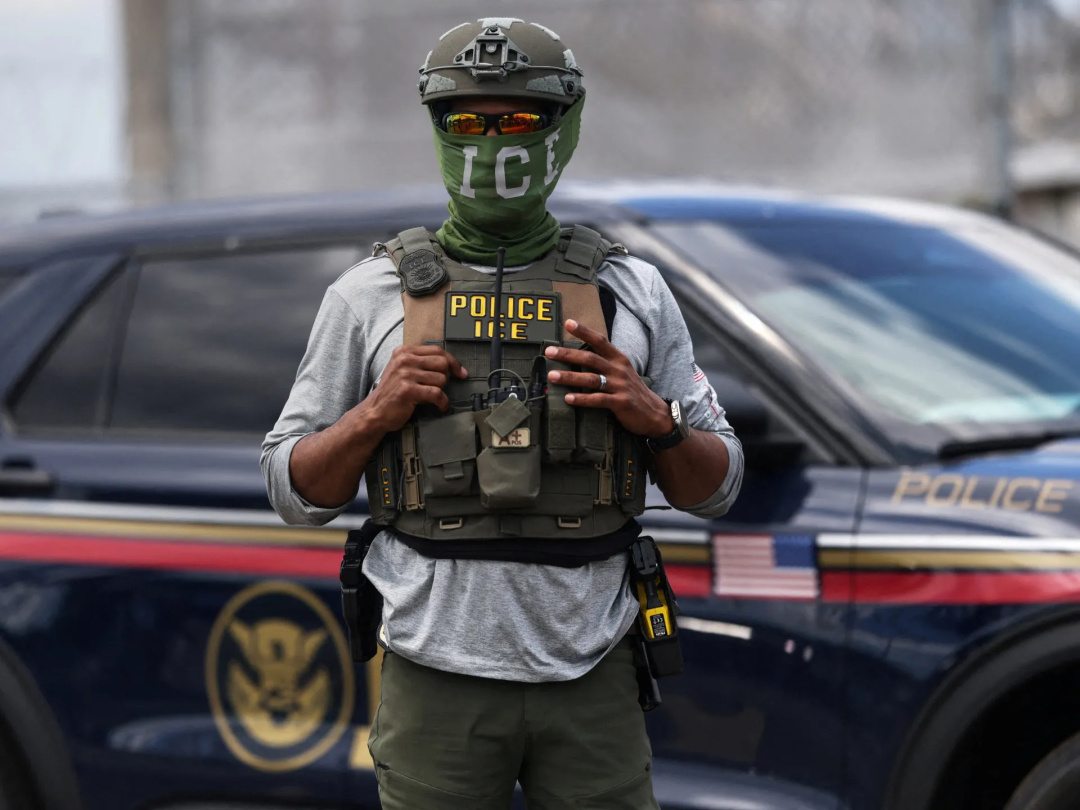
ICE to Launch New Training Program on How Not to Kill People While Driving
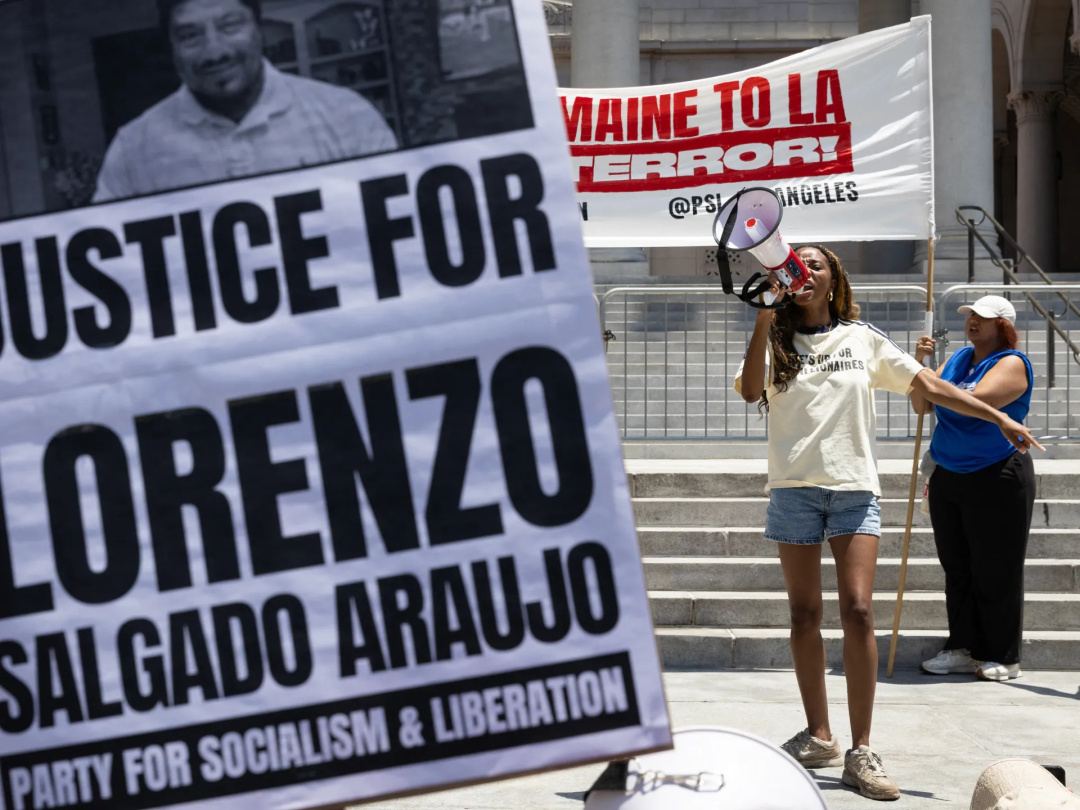
In an effort to quell the growing tide of public outrage and to avoid further incidents that may involve the unnecessary loss of life, the Immigration and Customs Enforcement agency has unveiled a revolutionary training program designed to educate its agents on the optimal methods for conducting traffic stops without resorting to deadly force. The initiative comes in the wake of protests across the nation, particularly in Houston, where demonstrators are demanding justice for Lorenzo Salgado Araujo, who was shot dead by an ICE agent while driving his construction crew to work.
The new program, cheekily titled "How Not to Kill People While Driving," aims to clarify the confusion faced by agents when confronted with vehicles. Sources inside ICE report that many agents have had difficulty distinguishing between a vehicle and a direct threat, leading to tragic outcomes. The training will include modules on recognizing that a construction van is not, in fact, a high-speed weapon and that traffic stops can be conducted without the use of live ammunition.
Still Beats Watergate:
Sponsor success. Continue reading:
In a bizarre twist of irony, the announcement was made alongside the agency’s commitment to maintaining its “tough” stance on immigration enforcement. During a recent press briefing, ICE officials emphasized that while they are eager to adopt new training methodologies, they remain steadfast in their commitment to aggressive traffic stops as essential tools in their ongoing war against traffic. The notion of pausing these stops, as suggested by some lawmakers, was dismissed outright as a politically motivated maneuver that would only embolden criminals.
Meanwhile, the Trump administration has expressed its unwavering support for the agency’s latest initiative, although skeptics wonder whether a class on avoiding fatal misunderstandings will be enough to placate the public. White House aides have indicated that the President personally endorsed the program, stating, "We must show the American people that ICE is not only capable of enforcing the law but also capable of doing so with a modicum of restraint."
Critics remain skeptical of ICE’s commitment to reform, pointing out that the agency's recent history of violence suggests a deep-rooted issue that might not be solved through training alone. In the aftermath of Salgado Araujo’s tragic death, the calls for accountability have only intensified, with activists pushing for a complete overhaul of agency practices rather than just a cosmetic change in training.
As the nation holds its breath, waiting to see if this initiative will translate into real change, ICE agents are reportedly preparing for the new curriculum with a mixture of bravado and trepidation. "You mean we can just pull someone over and not shoot first?" one unnamed agent was overheard asking. "This is going to be a game changer!"
As protests continue to escalate across the country, only time will tell if this new training initiative will help ICE navigate the increasingly complex landscape of public sentiment while simultaneously maintaining their reputation as the most feared agency in America. In the meantime, the agency has promised to keep the public informed of any further developments, including when the first class on traffic stop etiquette will be held.
One thing is for certain: the road ahead for ICE is fraught with potholes, but at least they might learn not to run over innocent bystanders along the way.