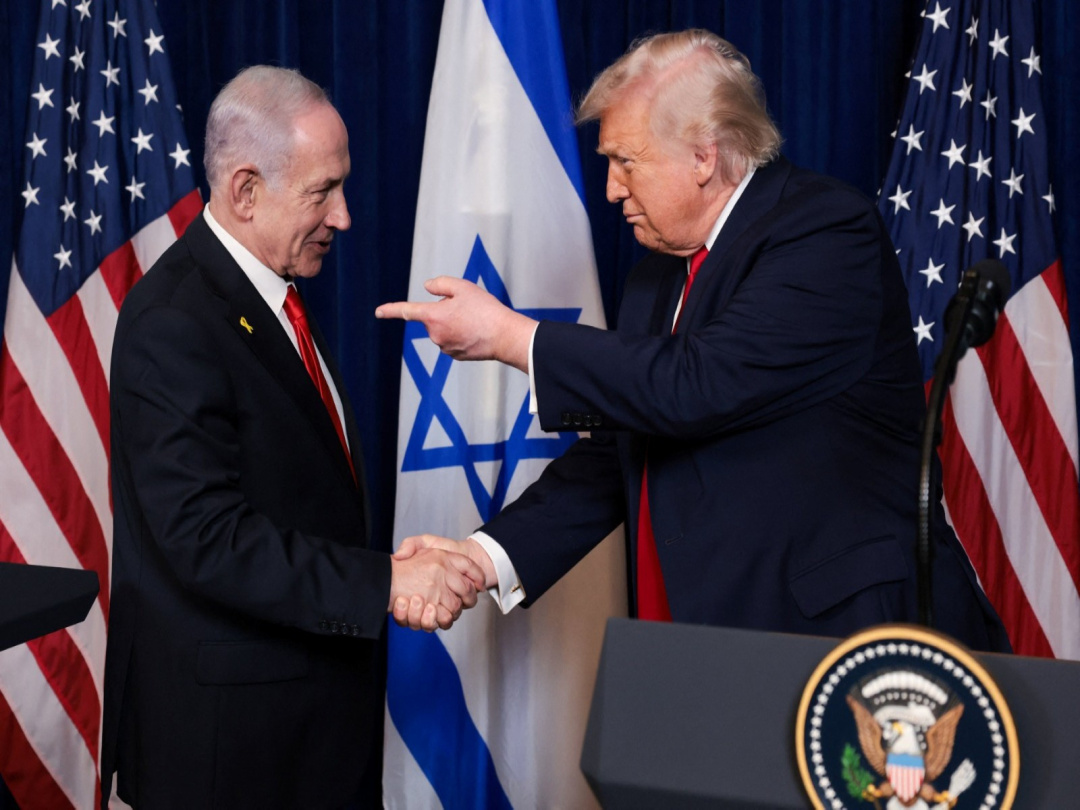
White House Announces New Strategy: Diplomacy by Proximity

In a dazzling display of foreign policy ingenuity, the White House has rolled out its newest diplomatic strategy: Diplomacy by Proximity. This approach, which prioritizes physical closeness over substantive discussion, is expected to revolutionize how the U.S. navigates international tensions. Instead of engaging in tedious talks about military withdrawals or security arrangements, officials will now simply lean in closer and hope that the magic of personal space will work wonders.
The concept has been embraced wholeheartedly by the administration, with insiders revealing that the proximity plan was developed during a particularly riveting game of musical chairs at a recent Cabinet meeting. "We realized that getting up close and personal might just be the ticket to success, especially when you consider how well it worked for awkward family dinners," said one anonymous source, who also noted that the success of discussions could hinge on how well the U.S. can avoid eye contact during heated moments.
Still Beats Watergate:
Sponsor success. Continue reading:
In practical terms, U.S. officials have been instructed to stand mere inches away from their Lebanese and Israeli counterparts, employing a variety of tactics to fill the air with a palpable tension that could lead to breakthroughs—or at least some very uncomfortable moments. The hope is that this newfound closeness will foster an atmosphere of camaraderie, where all parties can feel the warmth of shared discomfort and maybe, just maybe, agree on something.
As part of this initiative, the State Department has also established a series of training sessions on the art of small talk, emphasizing key phrases that could disarm even the most hardened negotiators. Phrases like "Can you believe the weather?" and "Have you tried the hummus?" are expected to become staples in the diplomatic toolkit. It is believed that these conversations will soften the atmosphere and pave the way for deeper discussions about military presence and border security.
While some critics have dismissed the plan as little more than a glorified social experiment, proponents argue that proximity is the key to peace in an era where traditional negotiation tactics have failed spectacularly. "Why engage in complex discussions about military withdrawals when you can just stand close enough to share a breath?" exclaimed one enthusiastic supporter of the strategy, who also mentioned that it could save on travel expenses—no need for expensive summits when you can negotiate from the comfort of the White House lawn.
Of course, this new strategy raises eyebrows and questions about how this approach might play out in practice. Will the U.S. officials be expected to hold hands during these negotiations? Will there be mandatory hugs at the end of each session? These are questions that remain to be answered, but one thing is for sure: the world will be watching closely as the U.S. takes this bold step toward a more intimate form of diplomacy.
As we look toward the future, the hopes of the White House rest on this daring strategy. Perhaps by merely standing closer, the U.S. can foster a sense of unity among nations that have been at odds for decades. Or, at the very least, they can create some viral moments for social media that will divert attention from the more complicated aspects of international relations. Who knew that peace could be so simple?