FIFA's New Playbook: Transgender Policy or Just Another Red Card?
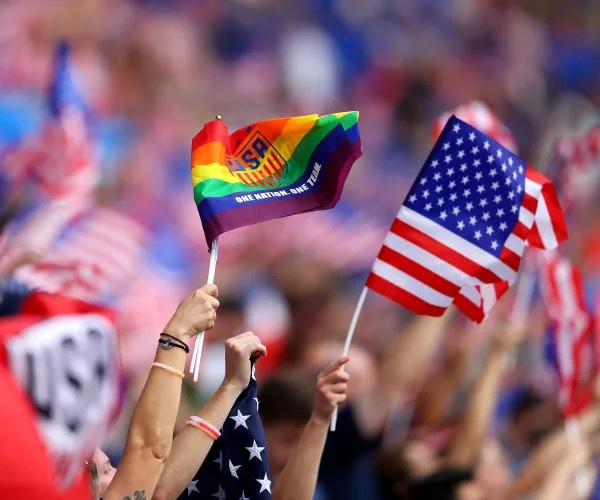
In a bold move reminiscent of a youth soccer match gone awry, FIFA is currently wrestling with the decision of whether to adopt restrictions on transgender athletes participating in the Women’s World Cup. While the world’s governing body for soccer is busy playing footsie with policy, the White House has stepped onto the pitch, eager to wield its influence like a referee with a penchant for cards.
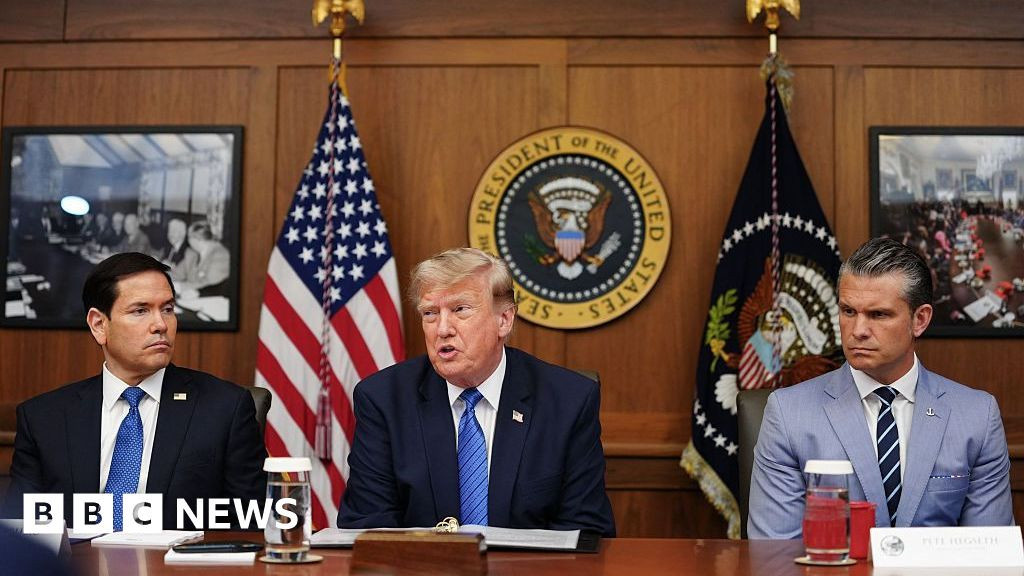
The Trump administration, fueled by a desire to make its mark before the next kick-off, has made it abundantly clear that it will not sit idly by as FIFA decides the fate of these athletes. Instead, they are prepared to employ the full force of executive pressure—though whether that comes in the form of tweets or actual policy remains to be seen. In a memo that surely exists only in the imagination of some poor intern, the White House outlined a strategy that combines sportsmanship with a complete disregard for nuance, stating that if FIFA doesn’t do what’s expected, they might just find their funding for international soccer diplomacy at risk.
Still Beats Watergate:
Sponsor success. Continue reading:
The irony of a governing body known for its own controversies surrounding corruption and scandal suddenly becoming the moral arbiter of sport is not lost on observers. FIFA, after all, has a track record of bending the rules to suit its needs, much like a player trying to draw a foul. Meanwhile, the Trump administration seems to be playing a game of political soccer where the objective is to score points with certain voter demographics while simultaneously dribbling around anyone who dares to question their motives.
As the Women's World Cup approaches, the stakes couldn't be higher, and the battle lines are being drawn. Advocates for transgender rights are understandably concerned, while opponents are gearing up for what they perceive to be a righteous cause. In this chaotic arena, where misinformation and sensationalism reign supreme, the administration's strategy appears to be clear: make a lot of noise, deflect any real conversation, and hope for a win on the scoreboard of public opinion.
In a world where every kick, every pass, and every policy decision is scrutinized under the harsh glare of media lights, the real question remains: will FIFA adopt a policy that reflects inclusivity, or will it fall prey to the pressure tactics of a political machine intent on scoring easy points? With the Trump administration watching from the sidelines, it seems we’re in for a match that promises more drama than a reality TV finale. Watch closely, as this is one game where the outcome could very well set the tone for sports governance for years to come.