Malami's Billions: Education Fees or a New Tax on Morality?
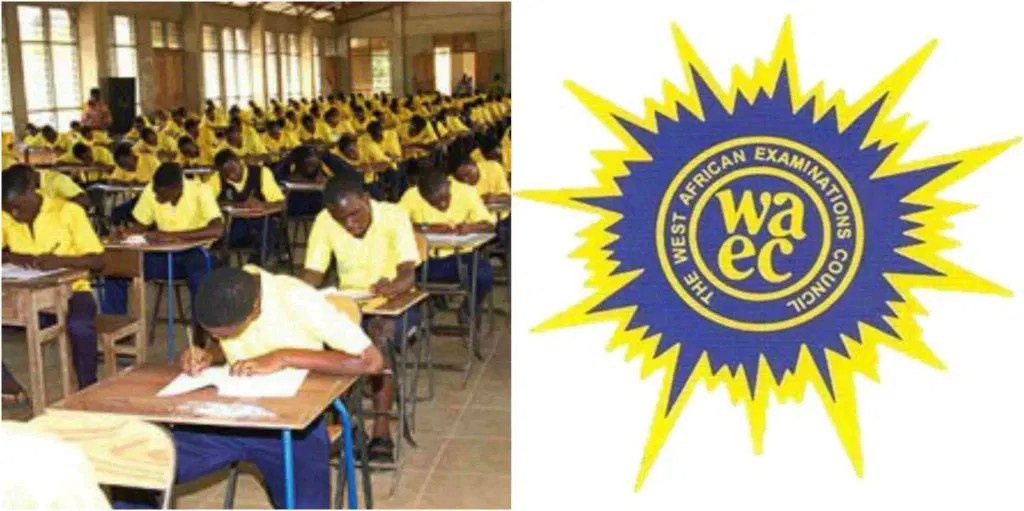
In a stunning display of bureaucratic absurdity, the Nigerian government has announced a plan to raise WAEC and NECO registration fees by a staggering 82 percent, only to reverse it after a swift backlash. One might think this was a case of government incompetence, but think again; it’s a masterclass in how to simultaneously squeeze the pennies from struggling families while one of their own allegedly rakes in billions from the public coffers. Welcome to the latest episode of Nigeria’s reality show, "Who Wants to Be a Billionaire?" Former Attorney General Abubakar Malami is in the spotlight, after properties worth N212 billion are linked to him, raising the tantalizing question: how does one accumulate such wealth while ostensibly serving the public? Perhaps he discovered a new method of public service: becoming a millionaire through sheer willpower and a sprinkle of creative accounting.
The government’s initial fee hike, which sought to charge parents N50,000 instead of N27,500 for their children to take essential exams, was ostensibly aimed at offsetting the costs of administering these tests. Meanwhile, Malami’s alleged financial escapades have left many wondering whether the Ministry of Justice has a side hustle in real estate. It seems ironic that as parents are asked to dig deeper into their pockets for educational fees, their children’s future remains overshadowed by the opulent lifestyles of a few public officials.
Still Beats Watergate:
Sponsor success. Continue reading:
One can only assume that the government's economic advisors are pulling their hair out, trying to figure out just how to justify this dual approach: raise fees on one hand while the other is caught in a sticky web of corruption. It’s almost as if they believe that if they shout “education is important” loud enough, no one will notice the glaring hypocrisy. One thing is clear: the ethos of public service has been replaced by a glorified tax system on morality, where the rich get richer and the poor are left to fend for themselves.
If the government genuinely believes that education is a cornerstone of citizenship, they might want to reconsider their pricing strategy. Asking parents to pay exorbitant fees for their children’s exams while ignoring the vast wealth amassed by their own members is a recipe for national resentment. It’s almost poetic: the government is trying to enforce an education system that places financial burden over accessibility, while simultaneously failing to hold its own accountable for financial misconduct.
Perhaps the solution is simple: any funds recovered from Malami should go directly to subsidizing WAEC and NECO fees for the underprivileged. After all, if the state is profiting off the backs of its citizens, shouldn’t it be required to ensure that those same citizens can afford to educate their children? Let’s not forget that education is supposed to be a public good, not a luxury item.
As this drama unfolds, one can only hope that the Nigerian public will not forget that their government’s financial mismanagement and moral bankruptcy are not just issues confined to the courtroom or the halls of power. They impact real lives, real families, and the futures of millions of children. So, while the government engages in its latest game of policy whack-a-mole, the citizens continue to bear the brunt of its failures. After all, it’s easier to raise fees than to address the underlying issues of corruption and accountability. Now, that’s a lesson in government economics, if there ever was one.