Military Maneuvers and Crypto Chaos: A New American Tradition
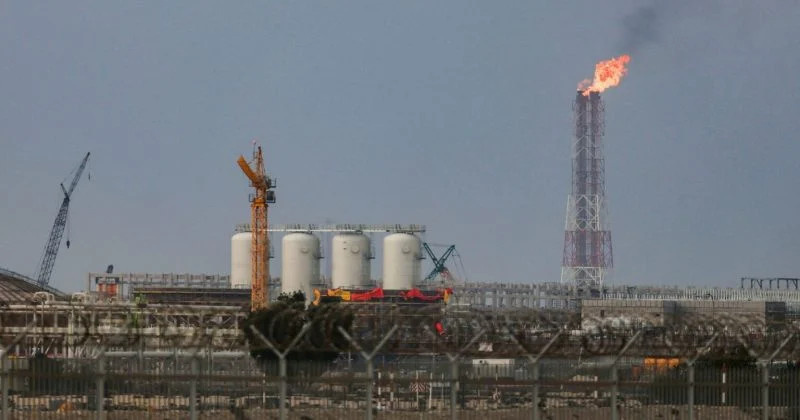
In a bold new chapter of American foreign policy that blends military bravado with a dash of digital finance, the Pentagon has decided to ramp up its operations in the Middle East. Yes, nothing says 'let's solve international tensions' quite like a few extra fighter jets and a flurry of missiles. The Treasury Department, meanwhile, is not one to be left out of this high-stakes game. It’s tightening the noose around Iranian crypto platforms, ensuring that the only thing rising faster than military aircraft is the anxiety among digital asset investors.
The latest operation, dubbed Operation Epic Fury — because apparently, nothing says 'serious military action' like a name that evokes a video game — saw nearly 900 airstrikes unleashed in February 2026. This onslaught somehow led to the unfortunate demise of Supreme Leader Ali Khamenei, creating a brief, fragile truce until Iranian forces decided to ruin the party by attacking commercial vessels in the Strait of Hormuz. Cue the U.S. response: over 140 military strikes against Iranian coastal assets. Who needs diplomacy when you have explosive negotiations?
Still Beats Watergate:
Sponsor success. Continue reading:
As oil prices surge and gold becomes the go-to safe haven for investors, Bitcoin and Ethereum face a steep decline. The crypto markets are feeling the heat as risk-averse investors flee the digital realm faster than a politician dodging a tough question. Amid this chaos, the U.S. Treasury has sanctioned Nobitex, Iran’s largest cryptocurrency exchange, along with three other platforms, citing their role in facilitating illicit financial activities. Apparently, processing funds tied to a regime is frowned upon, who knew?
Nobitex isn’t just a small-time player either; it accounted for more than half of Iran's digital asset inflows last year. The sanctions are essentially an attempt to cut off a vital artery in Iran's crypto ecosystem. Despite the U.S. government's best efforts, this ecosystem has displayed remarkable resilience, with no significant capital flight noted post-sanction. It seems that decentralized exchanges and privacy coins are thriving, providing an alternative that the Treasury might not have anticipated.
The sanctions also cast a long shadow over the entire crypto landscape, creating compliance ripple effects that could make even the most seasoned bureaucrat dizzy. Global exchanges will now have to review their screening processes while DeFi protocols brace for a fresh wave of regulatory scrutiny. After all, if there's anything that can bring crypto enthusiasts together, it's the looming threat of increased regulation.
Investors are now watching two key factors: oil prices and further Treasury designations targeting crypto infrastructure. As tensions continue to rise in the Strait of Hormuz, keeping an eye on energy price shocks is critical. The current administration appears intent on redefining the term 'military-industrial complex' to include digital currency as well. Who knew the future of warfare would be fought not just with missiles but with market volatility?
In this brave new world of military maneuvers and crypto chaos, one thing is clear: the Pentagon is not just expanding its presence in the Middle East; it’s also inadvertently expanding the reach of cryptocurrency, turning a once niche market into a battleground for geopolitical chess. So, buckle up, investors. The intersection of bombs and Bitcoin is sure to be a wild ride.