DHS Encourages States to Use Flawed System for Voter Roll Purge Amid Election Year
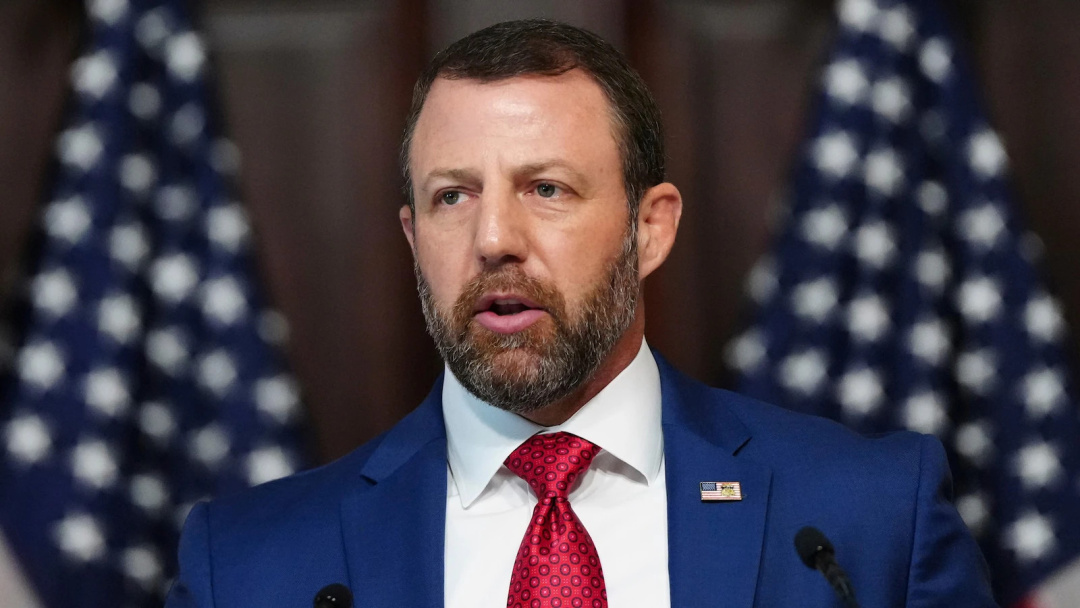
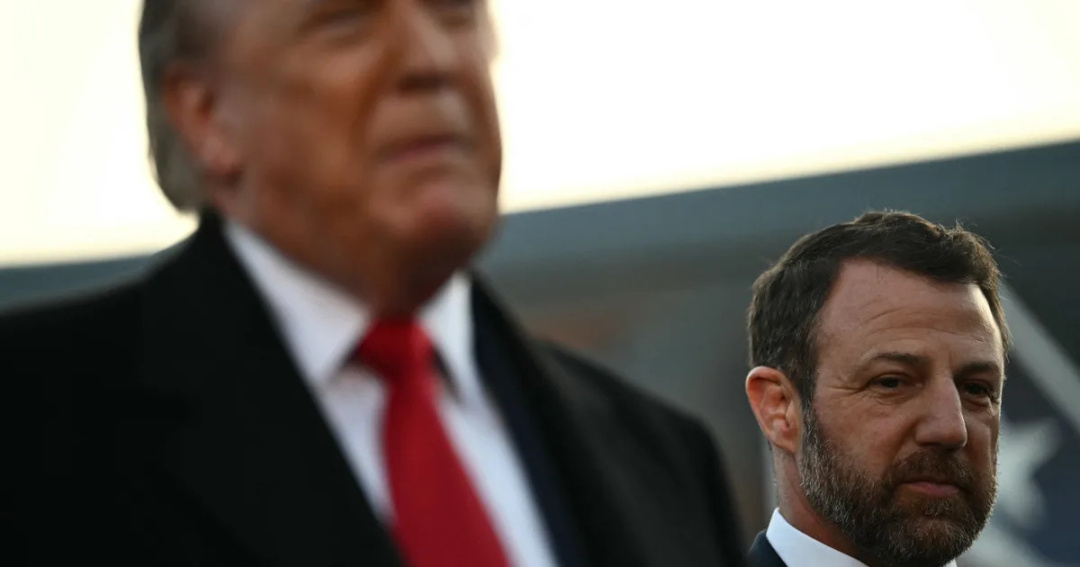
In a remarkable feat of bureaucratic gymnastics, the Department of Homeland Security has urged state election officials to engage in a sweeping purge of voter rolls using the SAVE system—a tool known for returning results about as reliable as a weather forecast in a hurricane. Secretary Markwayne Mullin, channeling his inner election security guru, informed states that hundreds of thousands of non-citizens are allegedly registered to vote, with a staggering 250,000 of them supposedly residing in just four states. The catch? The data underpinning this claim is as trustworthy as a politician's promise during campaign season.
The SAVE system, originally designed to verify eligibility for government benefits, has now been repurposed to assess voter rolls. This transition has left many scratching their heads, especially given the system's notorious reputation for inaccuracies. After all, if you thought your last trip to the DMV was frustrating, just wait until you learn that the government is now using the same technology to determine your right to vote. What could go wrong?
Still Beats Watergate:
Sponsor success. Continue reading:
Critics have been quick to point out that the SAVE system has a track record of flagging lawful citizens as potential non-citizens, a problem that could easily lead to an electoral apocalypse. A 2006 audit revealed that the Social Security Administration's data was inaccurate for 7% of individuals categorized as non-citizens, translating to 3.3 million citizens wrongly identified. Yet here we are, on the precipice of a voting season, with DHS urging states to trust this same system to clean up the voter rolls.
California, New Jersey, Pennsylvania, and Nevada, the four states targeted in Mullin's letter campaign, have expressed skepticism about the validity of the DHS's data. California Secretary of State Shirley Weber has already voiced concerns, stating that the information provided does not inspire confidence in the methodology used. Meanwhile, Nevada's Secretary of State Francisco Aguilar labeled the claims as "wildly speculative"—a fitting description considering the circus-like atmosphere surrounding this whole episode.
Adding to the absurdity, Mullin's letters claimed that potential non-citizens were identified by matching names, dates of birth, addresses, and Social Security numbers with the SAVE database. The question remains: how did they acquire Social Security numbers from publicly available voter registration data? It seems we’ve entered a realm where the lines between reality and fiction blur, and the only thing more questionable than the data is the administration's insistence on its accuracy.
In a twist of legal irony, the expansion of the SAVE system is currently embroiled in litigation, with courts issuing conflicting rulings that could either validate or obliterate the government’s approach. One court has deemed the expansion a violation of various privacy laws, while another has upheld access to the system. This legal tug-of-war has left states caught in a bureaucratic web, unsure of whether to trust the government’s marching orders or to proceed with caution.
As the election year heats up, it’s clear that the DHS is treating voter roll integrity like a game of whack-a-mole—except the moles are innocent citizens whose only crime is not having updated their citizenship status with the Social Security Administration. So buckle up, America! As we head into another election cycle, it seems the only thing more plentiful than non-citizens on the voter rolls is the government’s penchant for chaos, confusion, and an uncanny ability to turn every election into a spectacle worthy of its own reality show.