Algeria's Energy Diplomacy: A Game of Thumbscrews and Tension
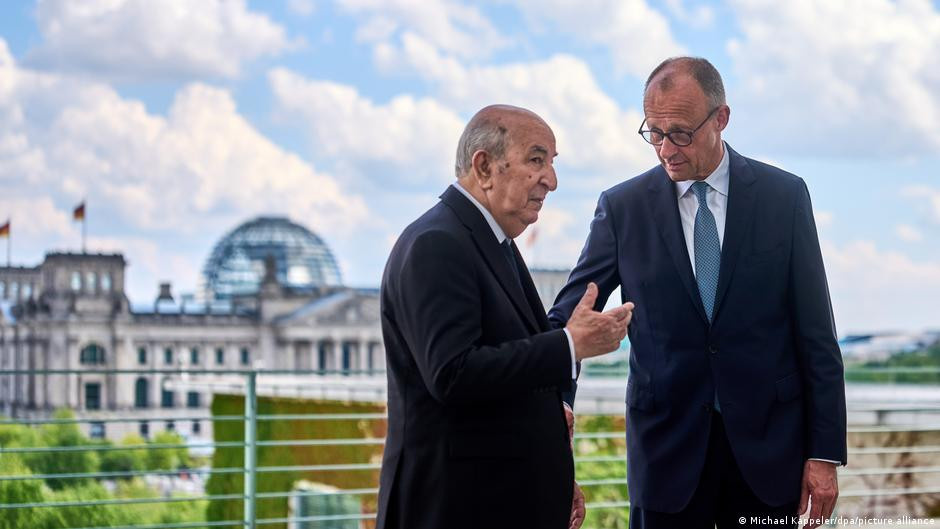
In a bold and utterly confusing move, Algeria is looking to upgrade its energy role in the European arena, all while navigating the turbulent waters of regional tensions and domestic discontent. Algerian President Abdelmadjid Tebboune, fresh from a photo-op in Berlin, is reportedly convinced that if you can’t dazzle them with brilliance, you might as well overwhelm them with natural gas. After all, what says international friendship more than a pipeline full of hydrocarbons?
During his recent visit, which marked his inaugural trip to Germany since assuming power in 2019, Tebboune clasped hands with Chancellor Friedrich Merz, declaring a deep commitment to energy cooperation. This partnership is being pitched as a lifeline for Europe’s energy security, which is almost like saying, 'We have gas, so you can't complain about our internal issues.' The irony is delicious. With Algeria being home to Africa’s second-largest natural gas reserves, it’s like the country has decided that geopolitical chaos is just a side effect of their newfound status as Europe’s gas station.
Still Beats Watergate:
Sponsor success. Continue reading:
The German government, possibly suffering from a collective delusion, is optimistic about establishing a southern hydrogen corridor from North Africa to Germany. This sounds impressive, but let’s face it: when has a corridor ever solved anything other than traffic problems? Meanwhile, Algeria’s state-owned Sonatrach is busy ensuring that liquefied natural gas shipments flow smoothly to Germany’s shiny new terminals, while the country grapples with protests at home. Who knew that gas could be both a blessing and a powerful sedative for domestic unrest?
This is all happening against a backdrop of Algeria’s complicated relationship with Morocco over the Western Sahara issue—a conflict that’s been simmering longer than most reality TV shows. While Algeria supports the independence-leaning Polisario Front, Morocco is busy convincing the world that it owns the territory. So, while Algeria tries to play the role of the diplomatic heavyweight in Europe, back home, it’s a different story. The country is essentially saying, 'Look over here at our gas! Forget about our political mess!'
Algeria’s geopolitical strategy seems to hinge on the idea that as long as they keep supplying Europe with gas, the West might overlook their shortcomings on human rights and democracy. The nation is facing a youth unemployment crisis hovering around 30 percent, yet here they are, ready to negotiate energy deals like it’s a game of poker. Who needs a stable political environment when you can distract the masses with promises of renewable energy corridors and international partnerships?
But let’s not get too carried away; the reality is that Algeria is banking on its energy exports to cushion the blow of its domestic turmoil. As the government seeks to repair frayed relations with neighbors like Mali and Niger, it’s clear that the stakes are high. The country’s leadership seems to be betting that if they can just keep the gas flowing, everything else will fall into place.
In the end, Algeria’s energy ambitions are less about a sustainable future and more about keeping the lights on while simultaneously dodging the political bullets flying from both domestic dissenters and regional adversaries. As President Tebboune continues his dance on the international stage, one can only hope he remembers that while natural gas is a great partner, it doesn’t exactly solve the issues brewing back home. Maybe the next diplomatic summit should include a side discussion on how to handle protests with the same finesse as negotiating energy deals. After all, it's all just part of the same chaotic ballet that is international politics.