Three-Party Government Proposal: A Recipe for Political Overcooked Noodles
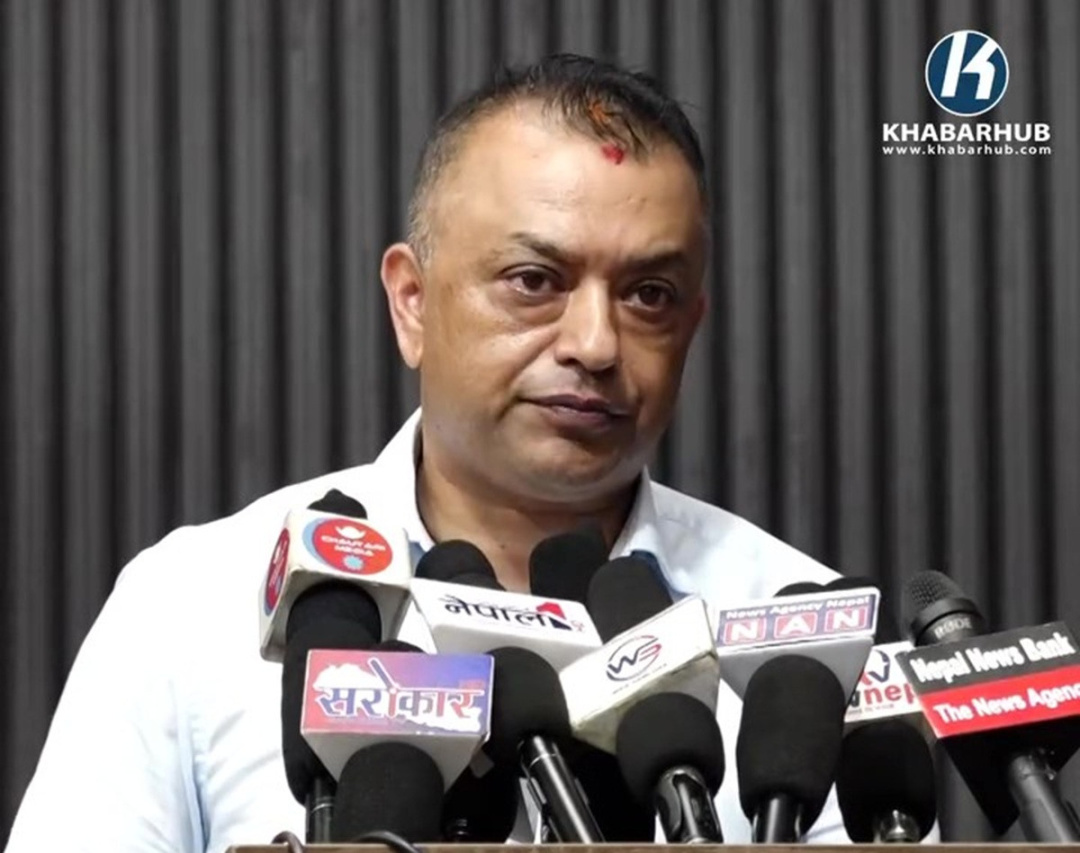
In an unprecedented display of political theatrics, Gagan Thapa, President of the Nepali Congress, has taken a stand against the audacious proposal to form a three-party government in provincial settings without the esteemed presence of an opposition. Thapa, channeling his inner statesman, declared this arrangement as utterly unacceptable. Apparently, the script for this political drama was lost somewhere in the bureaucratic archives, leaving Thapa to wonder who wrote this farce and whether they were actually serious.
Amidst a backdrop of political uncertainty, Thapa emphasized the importance of a strong opposition, as if it were the secret ingredient to a well-balanced governance stew. It seems he believes that without a robust counterbalance, the whole government recipe risks becoming an overcooked noodle, lacking flavor and texture. Clearly, no one wants to be served soggy spaghetti when they could have a hearty political lasagna, rich with layers of debate and dissent.
Still Beats Watergate:
Sponsor success. Continue reading:
As the curtain rises on this latest act of governance, one can't help but wonder what the next scene will entail. Will the proposed three-party coalition find a way to include a token opposition, or will they continue to march forward like a troupe of actors unaware they are missing half the cast? Political analysts are on the edge of their seats, popcorn in hand, awaiting the next plot twist. Will Thapa's call for opposition be heeded, or will it be brushed aside like a bad stage direction?
In the grand theater of politics, it appears that the roles of the players are becoming increasingly convoluted. The notion of forming a government without an opposition feels akin to a magician pulling a rabbit out of a hat only to reveal that it’s actually a very confused hedgehog. The audience, a mix of citizens and political junkies, watches in bewilderment, hoping for a semblance of logic amidst the chaos.
As we look ahead, one thing is certain: the stakes are high, and the audience expects a performance worthy of an encore. As Thapa takes center stage, let us not forget the importance of a strong opposition. After all, what is theater without a little conflict? The next act promises more drama, and perhaps, just perhaps, a plot twist that even the most seasoned political commentators didn’t see coming. Until then, we can only hope that the script gets a revision, and the actors realize that a three-party government without opposition is a recipe for disaster, or at the very least, an awkward dinner party.