Taiwan's President Announces New Strategy to Maintain Autonomy: Just Don't Be China
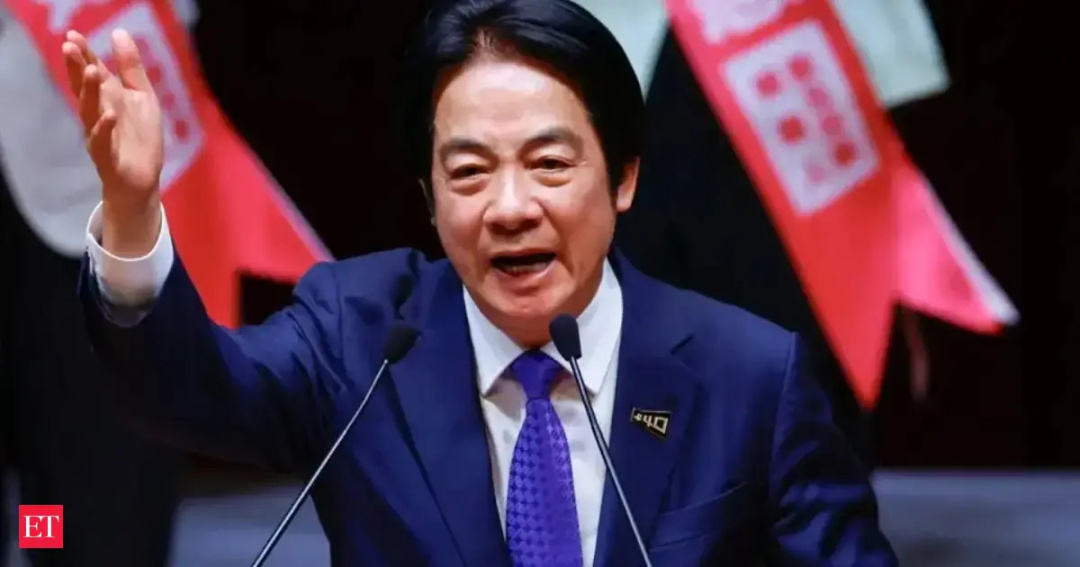
Taiwan's President Lai Ching-te has recently embarked on a revolutionary approach to governance, one that boldly asserts the need to maintain independence without the cumbersome task of defining what that independence actually looks like. In a stunning display of political finesse, Lai called on his party to unite against the looming specter of 'red terror,' a term that seems to be gaining traction as the vague threat of the week. This new mantra, "Just Don't Be China," is expected to resonate well within the halls of power, where ambiguity is often celebrated as a virtue.
In a press conference that can only be described as a masterclass in vague political rhetoric, Lai emphasized the importance of Taiwan's independent identity. "We must protect our democracy, whatever that means, and ensure that we are not mistaken for a Chinese province," he declared, while waving enthusiastically at the cameras. The President's remarks were met with a raucous applause from party members, who promptly began drafting the next round of ambiguous slogans to be posted on social media.
Still Beats Watergate:
Sponsor success. Continue reading:
Observers noted that the President's strategy is reminiscent of a high school debate team’s approach to a topic they haven’t quite studied. Instead of offering substantial policies or strategies, Lai's administration has taken to wrapping themselves in the comforting blanket of patriotic rhetoric. The phrase "self-determination" has become the new buzzword, one that is quickly becoming as overused as a favorite old T-shirt. It seems the only thing not being defined is the actual meaning of self-determination.
Meanwhile, the President has urged party members to oppose Beijing's perceived aggression, which, according to insiders, currently includes everything from trade practices to an alarming number of social media posts that feature cats. In a stunning display of political engagement, the DPP is reportedly rebranding itself as the "Keep Taiwan Weird" party, appealing to a younger demographic that values independence, quirky slogans, and, of course, cute animals.
As Taiwan navigates its precarious position between autonomy and the relentless tug of its massive neighbor, Lai's administration has decided that perhaps the best defense is a good offense—specifically, an offense that consists of shouting slogans loudly enough to drown out any actual policy debate. The hope is that by creating a cacophony of pro-Taiwan rhetoric, the world will forget that the government has yet to figure out a coherent foreign policy.
In conclusion, while Lai’s new campaign to keep Taiwan from becoming a part of China might just be the political equivalent of telling a child not to think of a pink elephant, it certainly offers an entertaining glimpse into the art of bureaucratic messaging. As the international community watches with bated breath, one thing is certain: the future of Taiwan’s independence will be fought with slogans, not substance, and perhaps a well-timed cat meme or two.