Mardi Gras Litigation: When the Party Turns into a Courtroom Show
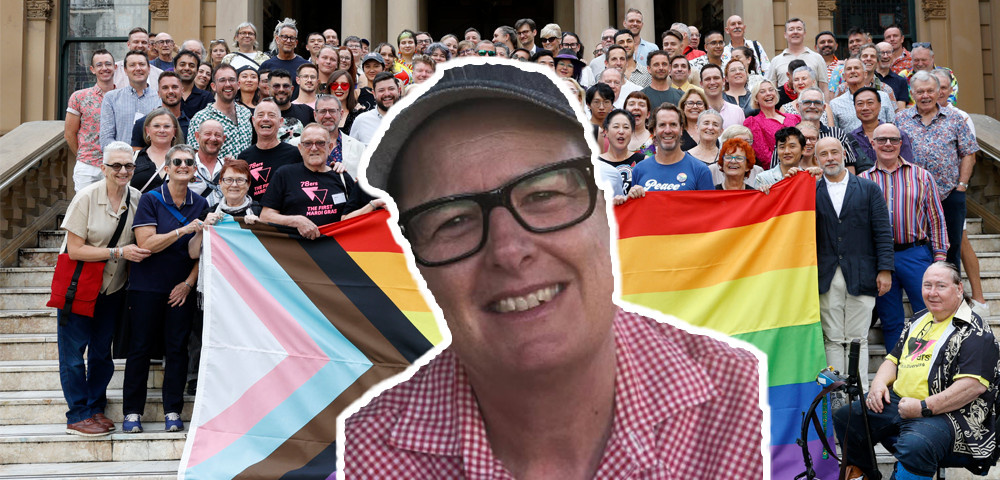
In an unexpected twist of fate, the Sydney Gay and Lesbian Mardi Gras has traded its sequins for legal briefs as former CEO Clare "Gil" Beckwith takes the organization to the Industrial Court of NSW. Beckwith claims she is owed approximately $21,000 in unpaid long service leave, a situation that has led to a courtroom drama more riveting than the parade itself. The organization, however, is not just rolling over and throwing a pity party; they are firmly denying the allegations and preparing their defense, which reportedly includes a PowerPoint presentation titled "Why We Didn't Pay Her, and Other Fun Facts."
The case has not only become an issue of financial compensation but a spectacle that reveals the internal turmoil plaguing the Mardi Gras committee for the past 18 months. Picture this: board members exchanging pleasantries one moment and throwing legal threats the next. It’s a soap opera masquerading as a nonprofit organization, complete with governance disputes, board reshuffles, and the recent removal of directors like characters getting killed off in a dramatic episode.
Still Beats Watergate:
Sponsor success. Continue reading:
During the proceedings, Mardi Gras' barrister, Philip Beazley, made headlines with his riveting claims that Beckwith's medical issues were tied to complaints against her, suggesting that her stress was more about boardroom politics than actual illness. What a plot twist! This courtroom saga has all the makings of an award-winning drama: betrayal, alleged misconduct, and a toxic workplace that sounds more like a reality show than a celebration of pride.
As snippets of medical records describing Mardi Gras as a “toxic workplace” leak out, one can't help but wonder whether the organization should trade its rainbow flags for a set of legal flags instead. Beckwith, in her testimony, paints a picture of a chaotic environment with four different co-chairs since December 2024, which sounds less like a leadership structure and more like a revolving door at a particularly dysfunctional circus.
Perhaps the most eyebrow-raising moment came when Beckwith admitted to feeling like she couldn’t share her health struggles with the board. When the workplace resembles a high-stakes game of dodgeball, communication tends to take a backseat. Yet, Mardi Gras claims Beckwith failed to disclose the organization's financial troubles during her tenure, adding yet another layer of complexity to an already tangled web of accusations and counterclaims.
As the court drama unfolds, one thing is clear: the vibrant spirit of Mardi Gras has taken a backseat to legal skirmishes and boardroom battles, prompting the question: can a celebration of pride survive in a legal minefield? With the 50th anniversary on the horizon in 2028, the only thing certain is that the organization will need to rebuild trust — perhaps while avoiding the courtroom in the future. After all, who knew that a pride celebration could have so much legal baggage?